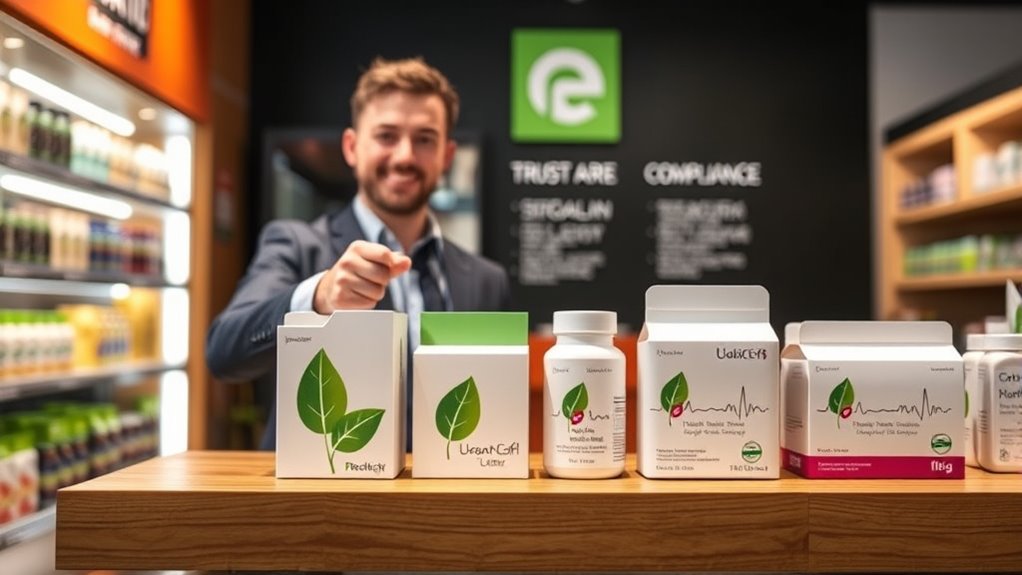

To promote health and income claims without legal trouble, focus on honest, evidence-supported statements and avoid making unsubstantiated promises. Emphasize general wellness benefits, such as supporting a healthy lifestyle, rather than suggesting cures or guaranteed results. Be cautious when linking products to income increases—only share verified facts. Using transparent language and encouraging professional advice helps build trust and compliance. If you want to learn how to navigate these guidelines effectively, keep exploring these essential strategies.

Get business pricing on office and shipping supplies
- Business-only prices and quantity discounts
- Tax-exempt purchasing
- Multiple users, one account, clear invoices
Key Takeaways
- Use truthful, evidence-based language emphasizing general wellness rather than claiming cures or medical benefits.
- Avoid making unsubstantiated income promises; only share verified, factual financial information.
- Clearly disclose product details and manufacturing processes to build trust and ensure transparency.
- Include disclaimers advising consumers to consult healthcare professionals before using health-related products.
- Refrain from promising rapid or guaranteed results, focusing instead on realistic, long-term benefits of your products or programs.

Claims about health and income can substantially influence consumer choices and perceptions. When marketing your products, you need to be mindful of how you present benefits related to health and wealth. If you’re promoting dietary supplements or fitness programs, it’s tempting to highlight potential results that seem too good to be true. However, making unsubstantiated claims can lead to legal trouble and damage your reputation. Instead, focus on truthful, evidence-based statements that inform rather than exaggerate, ensuring that your marketing remains compliant with relevant regulations.
Be truthful and compliant when marketing health and income claims to protect your reputation.
For dietary supplements, avoid language that suggests your product can cure, prevent, or treat medical conditions unless you have solid scientific proof and proper approval from regulatory bodies. Instead, emphasize general wellness benefits, such as supporting a healthy lifestyle or providing essential nutrients. For example, you might say, “Supports overall health,” but steer clear of phrases like “cures illness” or “guarantees weight loss.” Transparency is key; provide clear disclaimers and encourage customers to consult healthcare professionals before starting new supplements.
Similarly, when promoting fitness programs, steer clear of promising rapid or dramatic results that cannot be guaranteed. Instead of claiming your program will “double your muscle mass in a week,” focus on the program’s features and how it can help users achieve their goals over time. Use language that highlights the program’s design, expertise backing it, and customer testimonials that are honest and compliant. Avoid implying that success is guaranteed or that results are typical for everyone.
If you want to connect health benefits with income claims, be careful. Suggesting that using your dietary supplements or fitness programs will lead to increased income or financial success is risky unless you can substantiate such claims. Even then, it’s best to avoid making income promises altogether unless they are accurate and verifiable. Instead, emphasize how your product can help improve well-being, which may, in turn, boost confidence and motivation—factors that can positively influence other areas of life. Additionally, understanding the black tea production process can help you communicate product quality and authenticity more effectively.
dietary supplements supporting general health
As an affiliate, we earn on qualifying purchases.
As an affiliate, we earn on qualifying purchases.
Frequently Asked Questions
Can I Use Customer Testimonials to Make Health Claims Legally?
You can’t use customer testimonials to make health claims legally without risking pitfalls and legal issues. Testimonials often imply scientific proof, which can lead to legal trouble if they make unsubstantiated health claims. To stay compliant, focus on testimonials that are honest, clearly state they’re individual experiences, and avoid implying guarantees or cures. Always review testimonial legalities and avoid exaggerating results to protect your business from potential legal pitfalls.
Are There Specific Words I Should Avoid in Health Claims?
Imagine your words as the bridge between trust and trouble. You should avoid disallowed terminology and prohibited language like “cure,” “guarantee,” or “prevent,” which can lead to legal issues. Instead, focus on factual, truthful descriptions. Steer clear of exaggerated claims, because using certain words can imply unproven health benefits, risking your reputation and legal trouble. Choose your language carefully, and your message will resonate without risk.
How Do Regulations Differ Between Countries Regarding Income Claims?
You should know that regulations on income claims vary widely between countries due to different international standards and enforcement variations. Some nations have strict rules requiring proof of income claims, while others are more lenient or lack specific regulations. To avoid legal trouble, research the specific rules in each target country, guarantee your claims are truthful and substantiated, and stay updated on enforcement practices to remain compliant and protect your business.
What Is the Best Way to Document Health Claim Evidence?
Imagine your evidence as a sturdy bridge connecting claims to credibility. To document health claim evidence effectively, you should rely on well-conducted scientific studies and seek expert endorsements. Keep detailed records of research sources, methodologies, and dates. Obtain written statements from qualified professionals. This thorough documentation guarantees your claims are verifiable, transparent, and compliant with regulations, safeguarding your marketing efforts from legal pitfalls.
Can I Make Income Claims if I Include a Disclaimer?
You can make income claims if you include a clear disclaimer that meets legal compliance and disclaimer requirements. Confirm your disclaimer explicitly states that earnings are not typical and depend on individual effort. Always verify that your disclaimer is visible and understandable, helping you avoid legal trouble. By doing so, you balance promoting your income potential while protecting yourself from legal issues related to false or misleading claims.
fitness programs for long-term muscle gain
As an affiliate, we earn on qualifying purchases.
As an affiliate, we earn on qualifying purchases.
Conclusion
Now, picture your products shining brightly on the shelf, their promises clear and truthful like a well-lit path. By steering clear of false health and income claims, you protect your reputation and build trust with every customer. Think of your brand as a sturdy bridge, guiding buyers safely across the chasm of doubt. When you promote responsibly, you create a vibrant marketplace where integrity blooms, and your success becomes a steady, flourishing garden.
nutritional supplements with transparent manufacturing
As an affiliate, we earn on qualifying purchases.
As an affiliate, we earn on qualifying purchases.
wellness products for healthy lifestyle
As an affiliate, we earn on qualifying purchases.
As an affiliate, we earn on qualifying purchases.
Fall Picks
fall essentials
As an affiliate, we earn on qualifying purchases.