When a customer complains, see it as a chance to shine. Listen carefully, empathize sincerely, and avoid rushing to defend or resolve right away. Focus on understanding their feelings and then work to find a solution that addresses their concerns. Follow up to show you genuinely care, and use the experience to build trust. Mastering this approach turns upset customers into loyal advocates—if you want to discover more ways to impress, keep exploring these strategies.
Key Takeaways
- View complaints as opportunities to demonstrate exceptional customer service and reinforce brand loyalty.
- Listen empathetically and validate customer emotions before focusing on solutions.
- Use calm, positive communication to turn tense moments into memorable, positive interactions.
- Follow up sincerely to show care, rebuild trust, and reinforce a commitment to customer satisfaction.
- Leverage complaints to showcase professionalism, creating long-term relationships and enhancing brand reputation.
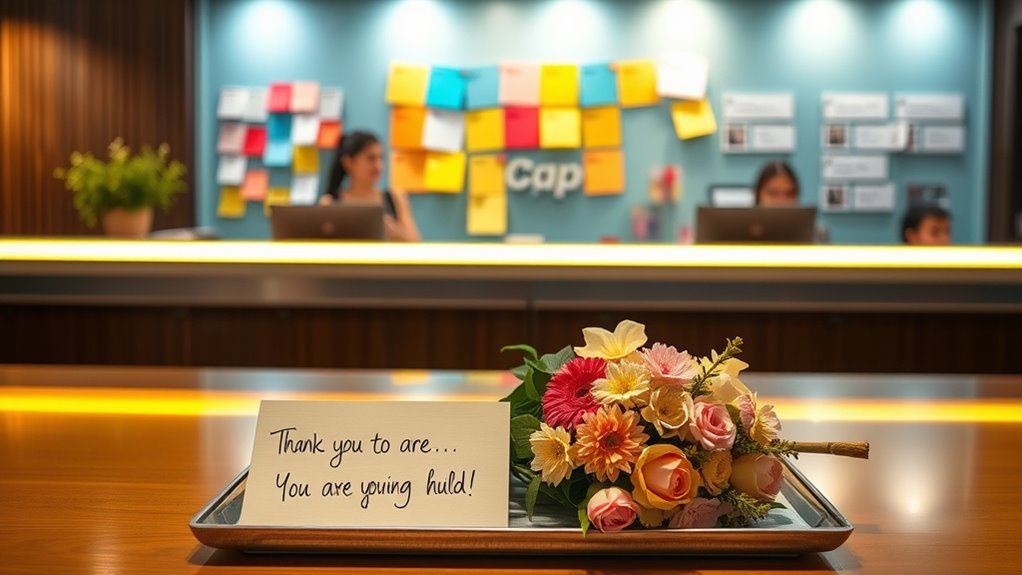
When customers raise complaints, it can feel like a setback, but in reality, it’s an opportunity to turn dissatisfaction into loyalty. The key lies in how you handle emotional responses and follow up effectively. Recognize that complaints often stem from frustration or disappointment, and your ability to manage these emotions can determine whether the customer leaves with a positive impression or decides to take their business elsewhere. When someone vents their concerns, listen carefully and empathize sincerely. This shows you value their feelings and are committed to resolving the issue rather than dismissing their concerns. Avoid immediate defensiveness or rushing to fix the problem; instead, acknowledge their emotions and let them know you’re there to help. Incorporating collaborations with influencers can also help demonstrate your brand’s commitment to customer satisfaction and innovative solutions. Handling emotional responses requires patience and tact. Sometimes, a customer just wants to be heard. You can diffuse tension by validating their feelings, using phrases like, “I understand why you’re upset,” or, “That must have been frustrating for you.” Once emotions are acknowledged, shift the conversation toward solutions. Your calm, empathetic approach can turn a tense moment into an opportunity to demonstrate your commitment to customer satisfaction. Effective follow-up is equally important. After addressing the initial complaint, don’t just move on; check back with the customer to ensure their issue has been resolved to their satisfaction. This extra step shows that you genuinely care about their experience and helps rebuild trust. Whether it’s a quick email, a phone call, or a survey, following up keeps the lines of communication open and demonstrates your proactive attitude. If the customer’s issue required a delay or additional effort, communicate transparently about what’s happening and when they can expect resolution. This transparency reassures them that their concerns are being prioritized. Turning complaints into opportunities involves more than just solving a single issue. It’s about creating a positive interaction that leaves a lasting impression. When you handle emotional responses with empathy and follow up effectively, you reinforce your commitment to excellent service. Customers appreciate being heard and seen as more than just a problem to fix—they want to feel valued and understood. Every complaint, if managed well, can become a chance to strengthen the relationship, showcase your professionalism, and ultimately, earn their loyalty. Remember, how you respond not only resolves the present concern but also shapes their perception of your brand for the future.

A Complaint Is a Gift Workbook: 101 Activities, Exercises, and Tools to Learn from Critical Feedback and Recover Customer Loyalty
As an affiliate, we earn on qualifying purchases.
As an affiliate, we earn on qualifying purchases.
Frequently Asked Questions
How Can I Prevent Complaints Before They Arise?
You can prevent complaints before they arise by practicing proactive communication, which keeps customers informed and sets clear expectations. Anticipate potential issues by regularly checking in with clients and addressing concerns early. Train your team to recognize signs of dissatisfaction and resolve problems quickly. Implement feedback systems to catch recurring issues and improve processes. This proactive approach minimizes misunderstandings, builds trust, and ultimately prevents complaints before they happen, enhancing customer satisfaction.
What Are the Best Tools for Managing Customer Feedback?
Perfectly poised for progress, you should prioritize powerful tools like customer feedback platforms and survey tools. These tools streamline collecting, simplifying, and scrutinizing customer sentiments, so you can swiftly spot issues and seize opportunities. Platforms like Zendesk, SurveyMonkey, and Google Forms support seamless feedback management, ensuring your business listens, learns, and improves. Using these tools, you can turn raw feedback into remarkable improvements, making customers feel valued and valued.
How Do I Train Staff to Handle Complaints Effectively?
You train your staff by emphasizing empathetic listening and effective communication. Role-play common complaint scenarios, encouraging them to listen actively and show genuine understanding. Provide scripts that focus on empathetic responses, and offer feedback to improve their tone and clarity. Reinforce the importance of staying calm and positive, guiding them to turn complaints into opportunities for building trust. Regular training and real-time coaching help staff handle issues confidently and professionally.
What Metrics Indicate Successful Complaint Resolution?
Oh, you mean the secret metrics that magically prove your complaint-handling prowess? Well, look for improved customer satisfaction scores and effective service recovery rates. If customers leave happier and your resolution times decrease, you’re on the right track. These indicators show you’re transforming complaints into opportunities, boosting loyalty and trust. Keep tracking these metrics, and you’ll continually refine your approach, turning every dissatisfied customer into a loyal advocate.
How Can Negative Feedback Be Used for Product Improvement?
You can use negative feedback for product innovation by carefully analyzing customer insights to identify recurring issues or unmet needs. Actively listen to complaints, then collaborate with your team to develop solutions that improve your offerings. Incorporate these insights into your product development process, showing customers you value their input. This approach not only enhances your products but also builds trust and loyalty, turning complaints into valuable opportunities for growth.

The Human Side to Customer Service: How Compassion, Empathy, and Old School Service build lasting Customer Relationships
As an affiliate, we earn on qualifying purchases.
As an affiliate, we earn on qualifying purchases.
Conclusion
Just like King Midas turned everything to gold, you can transform customer complaints into shining moments of service. When you listen actively and respond with care, you turn potential setbacks into opportunities to impress. Remember, every complaint is a chance to build loyalty and trust—your own modern-day alchemy. Embrace these moments, and you’ll find your reputation sparkling brighter than ever, proving that even in challenges, there’s a golden opportunity waiting to be seized.

AI Customer Service SOPs for Small Business: Templates, Prompts, Checklists, and Repeatable Workflows for Better Replies, Reviews, Refunds, FAQs, and Follow-Up (The Practical AI Operator Series)
As an affiliate, we earn on qualifying purchases.
As an affiliate, we earn on qualifying purchases.

Review Business Card for Google, NFC Tap & Dynamic QR Code, Easy Setup with Review Link Management, No APP Required, Review Us On Google, Review Sign, (White, 3 Pieces)
Boost Your Reviews – Customers can leave feedback instantly with a simple NFC tap or QR code scan.
As an affiliate, we earn on qualifying purchases.
As an affiliate, we earn on qualifying purchases.