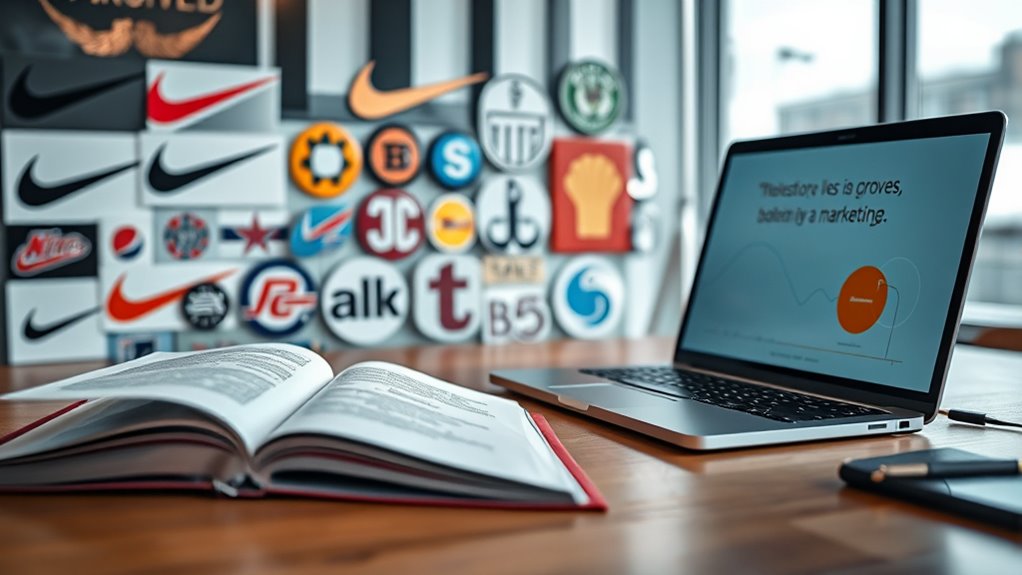

To use quotes, logos, and brand elements legally in marketing, you must understand fair use principles and trademark laws. Fair use permits limited use of copyrighted material for purposes like criticism or commentary, but it must add new meaning or message. Logos and brand names are protected by trademarks, so using them without permission risks infringement. Balancing these rules ensures your marketing stays compliant—continue exploring to learn how to do it right.

Get business pricing on office and shipping supplies
- Business-only prices and quantity discounts
- Tax-exempt purchasing
- Multiple users, one account, clear invoices
Key Takeaways
- Using quotes or brand logos in marketing may qualify as fair use if for commentary, criticism, or parody purposes.
- Transformative use that adds new meaning or message generally strengthens a fair use claim in marketing contexts.
- Trademarked logos should be used carefully to avoid confusion, infringement, or implying brand endorsement without permission.
- Transparency and clear intent help demonstrate fair use, especially when content is used for criticism or educational purposes.
- Legal guidance is advisable to ensure marketing practices respect trademarks and meet fair use criteria.

Have you ever wondered if you can legally use someone else’s content to promote your business? It’s a common concern, especially when you want to leverage recognizable quotes, logos, or brand elements. Understanding fair use is key, but it’s not the only factor to consider. When dealing with trademarks, protection is paramount. Trademark protection safeguards brand identifiers like logos, slogans, and symbols from unauthorized use that could cause confusion or dilute the brand’s value. If you use a trademarked logo in your marketing, you risk infringing on that protection unless your use qualifies as fair use under specific circumstances.
Using trademarked logos requires careful consideration to avoid infringement unless your use qualifies as fair use.
One of the most common ways to use someone else’s content legally is through the principles of fair use, which allow limited use of copyrighted material without permission. However, fair use isn’t a free pass; it hinges on several factors, including the purpose and character of your use. If you’re using a quote or a logo in a way that transforms the original meaning—say, for commentary, criticism, or parody—you stand a better chance of falling within fair use. Parody and satire are particularly important because they often qualify for fair use. They provide commentary or humor that comments on or criticizes the original work, which courts tend to view favorably compared to mere commercial use.
When you’re contemplating using a brand’s logo or trademarked content, think about whether your use might be considered parody or satire. These forms of expression are protected because they serve a social function—challenging or poking fun at the original work or brand. For example, creating a humorous parody of a well-known logo or ad can be protected under fair use, provided it clearly distinguishes itself from the original and doesn’t cause consumer confusion. But beware: if your parody or satire could be mistaken for the genuine brand, you risk infringing on trademark protection. To stay safe, focus on making your intent clear and ensure your use adds new meaning or message, rather than simply copying.
In addition, when using content for commercial purposes, courts tend to scrutinize whether the use is transformative or merely a reproduction. Content that is deemed transformative—meaning it adds new expression, meaning, or message—is more likely to be protected under fair use. This is especially relevant in marketing, where the line between promotion and infringement can be thin. Always consider whether your use aligns with the concept of transformative use and whether it impacts the original creator’s rights.
In the end, using someone else’s content in marketing requires careful consideration of fair use, trademarks, and the context of your work. Parody and satire are powerful tools that can help you navigate these boundaries, but they must be executed thoughtfully. Always aim for transparency and transformation, and when in doubt, consult legal advice to ensure your marketing efforts stay within legal limits. This way, you protect your brand while respecting others’ rights and the rules of fair use.
As an affiliate, we earn on qualifying purchases.
Frequently Asked Questions
Can I Use a Competitor’s Logo Without Permission?
You generally can’t use a competitor’s logo without permission, as it can harm brand recognition and lead to trademark dilution. Using their logo might confuse customers or imply an endorsement, which could cause legal issues. To avoid trouble, get permission or make sure your use qualifies under fair use, such as for commentary or critique. Always prioritize protecting your brand while respecting others’ trademarks.
How Much of a Brand Can I Quote Legally?
Think of quoting a brand like walking a tightrope—you need to stay balanced with legal limits. You can legally quote a brand’s name or slogan under fair use exceptions, but only if it’s limited and doesn’t imply endorsement or cause confusion. Trademark limitations restrict how much you can use, so avoid copying extensive content. Keep your quotes brief, relevant, and respectful of the brand’s rights to stay within legal boundaries.
Are There Specific Industries With Stricter Fair Use Rules?
Some industries have stricter fair use rules due to industry regulations and trademark sensitivity. For example, the pharmaceutical and financial sectors face tighter restrictions because misusing branding or quotes could mislead consumers or violate regulations. You should be especially cautious in these fields, ensuring your use of logos or quotes aligns with legal standards. Always check industry-specific guidelines to avoid infringing on trademarks or violating fair use principles.
What Are the Penalties for Copyright Infringement in Marketing?
A red stop sign warns you of the legal consequences of copyright infringement in marketing. If you violate copyright laws, you face legal consequences like lawsuits, fines, and damage to your reputation. Monetary penalties can be substantial, sometimes reaching thousands or even millions of dollars. You could also be ordered to cease using the infringing content, which can disrupt your marketing efforts and cost you time and money.
Does Fair Use Apply to Digital and Social Media Content?
Fair use does apply to digital and social media content, but you need to be cautious. When you use online content, you must consider digital rights and whether your use is transformative, non-commercial, or limited in scope. If your content includes quotes, logos, or brand elements, guarantee you meet fair use criteria to avoid infringement. Always evaluate the purpose, nature, amount used, and impact on the market before proceeding.
As an affiliate, we earn on qualifying purchases.
Conclusion
Steering fair use in marketing is like dancing on a tightrope—balance is key. When you use quotes, logos, or other brands, do so with respect and awareness, weaving legality into your creative fabric. With careful steps and a steady rhythm, you can turn potential legal pitfalls into a graceful performance. Embrace the dance of fair use, and let your marketing efforts shine brightly, grounded in respect and legal harmony.
copyright and trademark legal kit
As an affiliate, we earn on qualifying purchases.
As an affiliate, we earn on qualifying purchases.
marketing legal compliance toolkit
As an affiliate, we earn on qualifying purchases.
As an affiliate, we earn on qualifying purchases.
Halloween Picks
halloween
As an affiliate, we earn on qualifying purchases.