To make your event presentations truly memorable, focus on engaging demonstrations that actively involve your audience. Use interactive visuals, like touchscreens or real-time data, to encourage participation and keep interest high. Incorporate hands-on activities or relatable examples, such as ice cream to explain complex ideas, to deepen understanding. Keep your visuals vibrant and instructions simple. If you want to learn how to turn passive shows into unforgettable experiences, keep exploring these effective strategies.
Key Takeaways
- Incorporate interactive visuals like touchscreens and animations to actively involve the audience.
- Use hands-on activities and experiments to deepen understanding and boost engagement.
- Relate demonstrations to familiar concepts, such as ice cream, for clearer comprehension.
- Keep instructions simple and visuals vibrant to maintain interest and facilitate participation.
- Tailor demonstrations to your audience’s interests and ensure seamless integration for maximum impact.

Have you ever wondered why some demonstrations captivate audiences while others fall flat? The secret often lies in how engaging and memorable your presentation is. To truly make an impact, you need to move beyond just talking and showing; you want your audience actively involved. Incorporating interactive visuals and hands-on activities is a proven way to do this. These elements grab attention, foster curiosity, and make complex ideas easier to understand. Instead of passively watching, your audience becomes part of the experience, which boosts their retention and enjoyment.
Using interactive visuals is a game-changer. Think about dynamic charts, animated videos, or colorful diagrams that respond to audience input. When visuals are interactive, viewers don’t just look—they participate. For example, you could use touchscreens or projection systems that allow participants to manipulate data or change variables in real time. This active participation makes the demonstration more engaging and helps solidify concepts because people learn by doing. Interactive visuals also make your presentation visually appealing, breaking up monotony and keeping everyone’s interest alive.
Interactive visuals boost engagement, making presentations visually appealing and encouraging participants to actively learn by doing.
Hands-on activities are equally essential. When your audience gets to try things themselves—whether it’s conducting a simple experiment, assembling a model, or solving a problem—they develop a deeper understanding. These activities turn passive listeners into active learners. For instance, instead of just explaining a scientific principle, you could give attendees materials to build a small experiment or perform a quick test. This direct involvement not only makes the learning process fun but also creates a memorable experience that they’re more likely to recall later. Hands-on activities also foster collaboration and spark conversations, which further enhances engagement.
To maximize the effectiveness of these techniques, tailor your interactive visuals and activities to suit your topic and audience. Keep things straightforward and accessible, avoiding overly complicated instructions that might cause frustration. Use visuals that are vibrant and easy to interpret, and design activities that are achievable within your timeframe. Remember, the goal is to create a seamless flow where each interactive element naturally complements your message, rather than distracting from it. Incorporating familiar concepts like ice cream can also help make complex ideas more relatable and easier to grasp.
Ultimately, your goal is to make your demonstration memorable and impactful. When you incorporate interactive visuals and hands-on activities, you create an environment where your audience is involved, curious, and enthusiastic to learn. This active engagement transforms a simple presentation into an unforgettable experience, leaving a lasting impression that inspires curiosity and understanding long after the event ends.

COOLHOOD 65" Smart Board, 4K UHD Touchscreen Interactive Digital Whiteboard Display, Electronic All-in-One Computer for Classroom Office Home Business w/Open App Ecosystem (Board & Wall Mount Only)
【65-Inch 4K Interactive Whiteboard】This cutting-edge 65-inch interactive whiteboard features an advanced octa-core processor (4 A73 + 4 A53),…
As an affiliate, we earn on qualifying purchases.
As an affiliate, we earn on qualifying purchases.
Frequently Asked Questions
How Do I Tailor Demonstrations for Different Audience Types?
You tailor demonstrations for different audience types by starting with audience analysis to understand their interests, knowledge level, and needs. Use customization strategies like adjusting language, visuals, and examples to resonate with each group. Engage them with interactive elements or relevant stories. This personalized approach keeps your audience attentive and makes your presentation more memorable, ensuring your message hits home effectively for diverse groups.
What Are Common Mistakes to Avoid During Demonstrations?
It’s ironic how many forget to plan their demonstration thoroughly, risking audience disengagement. Avoid rushing through steps or overloading with information—these mistakes kill interest. Keep your demonstration planning focused, clear, and interactive. Don’t ignore your audience’s reactions; instead, adapt to keep them engaged. Failing to prepare or anticipate questions can derail your message. Remember, a well-structured, audience-centric demonstration makes your presentation memorable and impactful.
How Can Technology Enhance Live Presentation Engagement?
You can boost engagement by integrating technology like virtual reality, making your presentation immersive and memorable. Encourage audience participation through interactive polls or Q&A sessions, keeping everyone involved. Virtual reality transports your audience into the demonstration, making complex concepts easier to grasp. By actively involving your audience and leveraging innovative tech, you create a dynamic experience that captivates attention, fosters understanding, and leaves a lasting impression.
What Measures Ensure Safety During Interactive Demonstrations?
You must prioritize safety to prevent disaster! Implement strict safety protocols and risk management strategies—like clear instructions, safety gear, and emergency plans. Always assess potential hazards beforehand and rehearse contingency procedures. Keep a vigilant eye on participants and equipment, and guarantee all staff are trained in emergency response. By doing this, you create a safe environment where your interactive demonstrations captivate without risking chaos or injury.
How Do I Handle Unexpected Technical Issues Mid-Demonstration?
When unexpected technical issues arise during your demonstration, stay calm and quickly implement your backup plans. Use troubleshooting techniques like checking connections, restarting equipment, or switching to alternative devices. Keep a list of common problems and solutions handy. If needed, smoothly shift to a manual or verbal explanation to maintain engagement. Your quick thinking and prepared backup options help keep the presentation seamless and memorable despite technical hiccups.
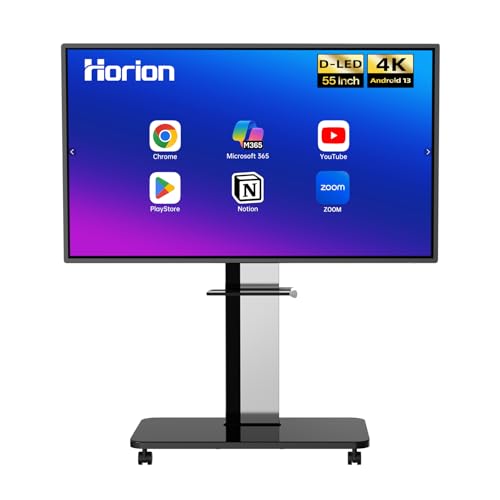
Smart Board, Interactive Whiteboard, 4K UHD Touch Screen Digital Board, Digital Electronic Smartboard for Classroom,Office & Conference Rooms,Open App Ecosystem(Board & Wall Mount Only) (55 Inch)
【4K Ultra-Clear Display & 40-Point Multi-Touch Interaction】This 55-inch smart board features 4K ultra-clear display technology and 3.2mm AG…
As an affiliate, we earn on qualifying purchases.
As an affiliate, we earn on qualifying purchases.
Conclusion
By incorporating engaging demonstrations into your presentations, you turn ordinary talks into memorable experiences that captivate your audience. You’ll leave a lasting impression and inspire curiosity and understanding. Remember, the key isn’t just what you show, but how you make your audience feel involved and excited. So, why settle for bland presentations when you have the power to make your message truly unforgettable? Start practicing these techniques today and watch your audience stay hooked!
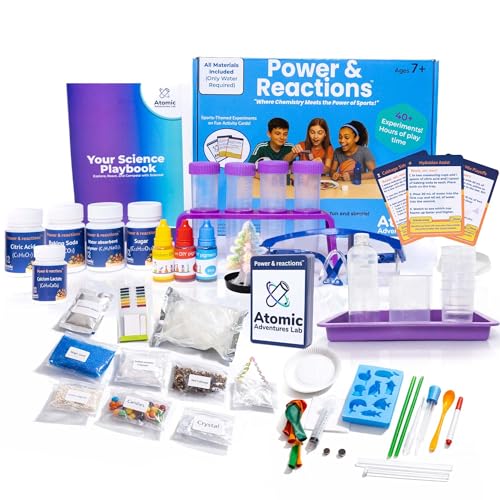
Atomic Adventures Lab Science Experiment Kit for Kids Ages 8-12 Years – Chemistry Kit Designed By a PhD Chemist & Mom, 46 Hands-On STEM Educational Activities, Gifts for Boys & Girls
Complete Science Kit for Kids – This kids science kit provides more materials than standard kits. Equipped with…
As an affiliate, we earn on qualifying purchases.
As an affiliate, we earn on qualifying purchases.
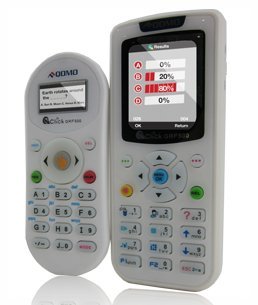
Qomo – QRF512 – Class Pack Remote Audience Response.
Class pack remote audience response
As an affiliate, we earn on qualifying purchases.
As an affiliate, we earn on qualifying purchases.