

Understanding customer personalities helps you tailor your approach for better results. If you recognize a task-oriented customer, be direct and concise, focusing on solutions. For relationship-driven clients, use warmth and active listening to build rapport. Analytical customers need detailed information and patience, while emotionally driven ones seek reassurance and validation. Adapting your style to fit each personality improves communication, builds trust, and resolves issues more effectively. Keep exploring these strategies to master handling every customer type.
Key Takeaways
- Recognize whether a customer is task-oriented, relationship-driven, analytical, or emotionally driven to tailor your communication.
- Use direct and concise language for task-oriented customers to save time and focus on solutions.
- Foster rapport with relationship-driven customers through empathetic, warm, and engaging conversations.
- Provide detailed information and thorough explanations for analytical customers to build confidence and trust.
- Remain calm and supportive with emotionally driven customers, validating their feelings to create a positive experience.

Have you ever wondered why some customers are easy to satisfy while others are more challenging? It often comes down to understanding their behavior styles and tailoring your communication strategies accordingly. Customers aren’t one-size-fits-all, and recognizing their personality traits can make a significant difference in how you connect and resolve issues. When you identify different behavior styles, you gain insight into their preferences, motivations, and how they prefer to interact. This knowledge allows you to adapt your approach, making your interactions more effective and less stressful.
Understanding customer behavior styles helps tailor communication for better satisfaction and trust.
For instance, some customers are highly task-oriented and prefer direct, concise communication. They value efficiency and clear answers. When dealing with these individuals, your best strategy is to be straightforward, focus on solutions, and avoid unnecessary details. Use active listening to clarify their needs quickly, and provide them with concrete options. This approach respects their time and helps build trust by showing you understand their priorities.
On the other hand, some customers are more relationship-driven and prefer a friendly, empathetic approach. They often seek reassurance and want to feel heard. For these individuals, your communication strategies should involve active listening, warm language, and genuine concern. Take the time to ask open-ended questions and show empathy. Demonstrate that you care about their experience and are committed to helping them. Building rapport with these customers often leads to loyalty and positive word-of-mouth.
There are also customers who are analytical and detail-oriented. They tend to ask many questions and want all the facts before making a decision. To serve them well, provide thorough information, be patient, and avoid rushing their process. Use data, charts, or written summaries if necessary, and make sure to address their concerns exhaustively. Your ability to adapt your communication strategies to their behavior style will help them feel confident and understood.
Finally, some customers are driven by emotions and may need reassurance or validation. These individuals might express frustration or excitement openly. When engaging with them, stay calm, listen actively, and acknowledge their feelings. Use positive reinforcement and reassure them that you’re working in their best interest. Adjust your tone to be warm and friendly, which can help diffuse tension and foster a positive connection.
Additionally, understanding the 16PF personality traits can help you better tailor your approach, as these traits offer a nuanced view of individual differences that influence customer behavior.

Customer Service Training 101: Quick and Easy Techniques That Get Great Results
As an affiliate, we earn on qualifying purchases.
As an affiliate, we earn on qualifying purchases.
Frequently Asked Questions
How Can I Identify a Customer’s Personality Type Quickly?
You can identify a customer’s personality type quickly by observing their behavior cues and communication styles. Notice if they are direct and assertive, which indicates a dominant type, or if they’re more reserved and detail-oriented, suggesting a cautious personality. Pay attention to their tone, pace, and responses. Adapting your approach based on these cues helps you connect better and tailor your interaction effectively, making the customer feel understood.
What Are the Most Common Personality Types in My Industry?
The most common personality types in your industry often include analytical, expressive, amiable, and driver types. Using a personality assessment helps you identify these groups quickly, enabling effective customer segmentation. By understanding their preferences and communication styles, you can tailor your approach, build rapport faster, and meet their needs more efficiently. Focus on these core types to improve your interactions and drive better customer satisfaction.
How Should I Handle Difficult Customers With Challenging Personalities?
When handling difficult customers with challenging personalities, focus on empathy building and conflict resolution. Stay calm, listen actively, and acknowledge their concerns without becoming defensive. Use open-ended questions to understand their perspective and find common ground. By showing genuine care and patience, you can de-escalate the situation, build trust, and turn a negative experience into a positive one, ensuring customer satisfaction and loyalty.
Are There Tools to Assess Customer Personalities Effectively?
Yes, there are tools for personality assessment and customer profiling that can help you understand your customers better. You can use surveys, online quizzes, or software like DISC or MBTI-based tools to identify different personality types. These tools allow you to tailor your approach, improve communication, and enhance customer relationships. Incorporating personality assessment into your strategy makes it easier to handle diverse customer behaviors effectively.
How Often Should I Adapt My Approach Based on Personality Changes?
Studies show 60% of customers experience personality shifts during interactions. You should adapt your approach as often as you notice these changes, typically every few interactions or when cues indicate a shift. Regularly evaluating your customer’s behavior helps you stay aligned with their current personality. Being attentive to signs of a personality shift allows for timely adaptation, ensuring your communication remains relevant and effective throughout your engagement.
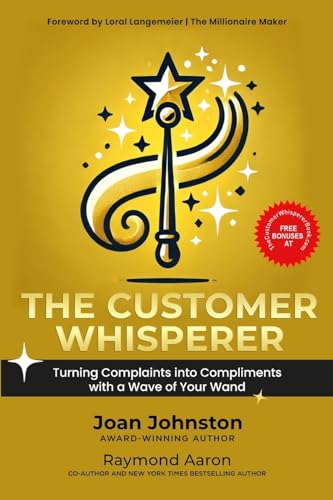
The Customer Whisperer: Turning Complaints into Compliments with a Wave of Your Wand
As an affiliate, we earn on qualifying purchases.
As an affiliate, we earn on qualifying purchases.
Conclusion
By understanding different customer personalities, you can tailor your approach like a skilled chef adjusting spices to suit every palate. Recognize their unique traits and adapt your communication accordingly, turning each interaction into a symphony of connection. When you speak their language, you build trust and foster loyalty that blooms like a well-tended garden. Remember, the key is flexibility—your ability to flow with their needs transforms every encounter into a rewarding experience for both of you.

Donkey Auto Products 2 Part Buyers Guide Form – Adhesive Tape – English – As is – Warranty (100 per Pack) (2026 Version)
EFFICIENT SIZE – 7.33 x 11.75 inches, fitting seamlessly into your workflow
As an affiliate, we earn on qualifying purchases.
As an affiliate, we earn on qualifying purchases.

Customer Relationship Management: Concepts and Tools
Used Book in Good Condition
As an affiliate, we earn on qualifying purchases.
As an affiliate, we earn on qualifying purchases.