
TL;DR
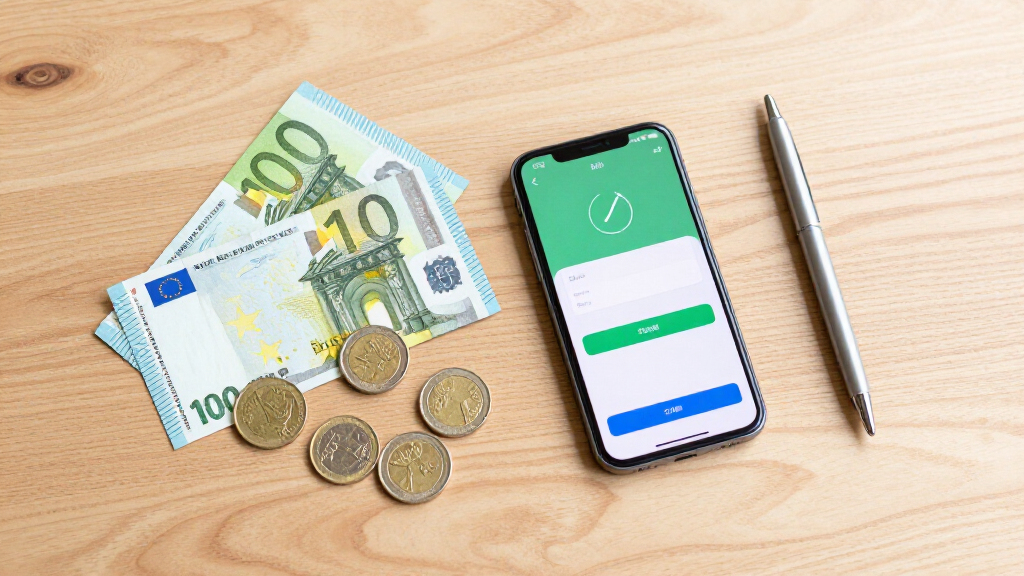
Cash continues to be the primary payment method in the euro area, with the European Central Bank confirming its dominance. Digital payments are growing but have not displaced cash yet.
The European Central Bank (ECB) has confirmed that **cash remains the most widely accepted payment method** in the euro area, accounting for the majority of transactions despite the expanding use of digital payments. This development underscores the continued importance of physical currency for consumers and businesses across member states.
According to the latest data released by the ECB, **cash accounts for approximately 75% of all retail transactions** in the euro area, making it the dominant payment method. The report highlights that, although digital payment options such as card payments, mobile banking, and e-wallets have increased significantly over recent years, they have yet to surpass cash in terms of overall usage.
The ECB’s report, released on March 2024, indicates that **cash remains especially prevalent among older consumers and in rural regions**, where digital infrastructure may be less developed. Meanwhile, digital payments are growing rapidly among younger populations and in urban centers, but their overall share still trails behind cash.
Officials from the ECB emphasized that **cash’s resilience reflects its role in financial inclusion, privacy, and transaction security**, which continue to make it a preferred choice for many users. The report also notes that the COVID-19 pandemic accelerated digital payment adoption but did not diminish cash’s overall dominance.
Why Cash’s Continued Dominance Affects the Euro Economy
The persistence of cash as the primary payment method impacts **monetary policy, financial inclusion, and retail banking** strategies across the euro area. For policymakers, the continued reliance on physical currency influences decisions on currency issuance, anti-counterfeiting measures, and the future of digital infrastructure investments.
For consumers, especially those in rural or older demographics, cash remains vital for **privacy, immediate access, and trust** in transactions. Retailers and service providers also benefit from cash’s immediacy and simplicity, which can influence **cost structures and payment processing choices**.
Overall, the data suggests that despite technological advancements, **cash retains a significant role in everyday economic activity**, informing debates on cashless society policies and digital transition strategies.

Aneken N60 Mixed Denomination Money Counter Machine, Value Counting, UV/MG/IR/DD Counterfeit Detection, 3.5" TFT Display Cash Counting Machine, Printer Enabled Bill Counter for Business
- Working Modes: Multiple counting and batching modes
- Counterfeit Detection: Infrared, UV, magnetic, dimensional detection
- Display Screen: 3.5-inch high-definition TFT screen
As an affiliate, we earn on qualifying purchases.
As an affiliate, we earn on qualifying purchases.
Recent Trends in Payment Methods in the Euro Area
The euro area’s payment landscape has evolved considerably over the past decade, with digital payments experiencing rapid growth. According to previous ECB surveys, **digital payment volumes increased by over 50% since 2018**, driven by mobile banking and contactless card use.
However, despite this shift towards digital, cash has maintained its dominance, especially in **small-value transactions and among specific demographic groups**. The ECB’s latest report confirms that **cash remains the most accepted form of payment**, with its share stable over recent years.
The ongoing debate over a cashless society has intensified, with some countries like Sweden moving toward nearly cashless economies, while others, including many euro area countries, continue to rely heavily on cash for **financial security and inclusivity reasons**.
In addition, the ECB has been exploring the potential issuance of a digital euro, but widespread adoption of digital currency has not yet displaced cash’s role.
“Cash remains the most widely accepted payment method across the euro area, particularly among certain demographics and regions.”
— ECB spokesperson

LOCKCURX Graded Coin Storage Box – Holds 120 NGC/PCGS Slabs, Secure Coin Collector Case with Combination Locks, Organizer for Graded Coins Collection, Black
- Designed for Graded Coin Slabs: Fits NGC and PCGS slabs perfectly
- High-Capacity Storage: Holds over 120 slabs securely
- Durable and Easy to Clean: Aluminum alloy frame with MDF panels
As an affiliate, we earn on qualifying purchases.
As an affiliate, we earn on qualifying purchases.
Unclear Impact of Digital Payments on Cash Usage
While the ECB confirms cash’s current dominance, it is still uncertain how trends will evolve over the next few years. The potential introduction of a digital euro and increasing digital literacy could shift the balance, but the timeline and extent of this shift remain unclear. It is also uncertain how regional disparities will influence future payment preferences across the euro area.

MyLifeUNIT Fingertip Moisteners for Paper, Counting Cash, Set of 2 Pieces
- Purpose: Moistens fingertips for paper handling
- Design: 360° rolling ball for even moisture
- Usage: Add water and roll to moisten
As an affiliate, we earn on qualifying purchases.
As an affiliate, we earn on qualifying purchases.
Future Developments in Euro Area Payment Systems
The ECB is expected to continue monitoring payment trends and may accelerate plans for a digital euro, aiming to complement cash rather than replace it. Further surveys and data releases over the coming years will clarify whether cash’s dominance persists or diminishes. Policymakers will likely address the implications of digital currency adoption and financial inclusion strategies in upcoming reports.
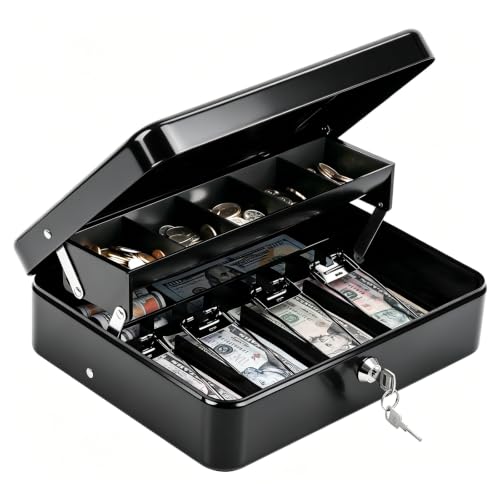
KYODOLED Cash Box with Money Tray and Key Lock, 1mm Thick Metal Cash Drawer
- Heavy-Gauge Steel Construction: 1mm thick steel for durability and security
- Secure Key Lock System: Includes 2 keys for safe access
- Portable Handle Design: Widened handle for easy transport
As an affiliate, we earn on qualifying purchases.
As an affiliate, we earn on qualifying purchases.
Key Questions
Will cash eventually be replaced by digital payments in the euro area?
While digital payments are growing rapidly, current data shows cash remains dominant. The future balance depends on technological, regulatory, and consumer preference developments, which are still uncertain.
Why does cash still matter for consumers and businesses?
Cash offers advantages such as privacy, immediacy, and accessibility, especially for older or rural populations, making it a vital part of the payment ecosystem.
What is the ECB doing about digital euro plans?
The ECB is exploring the issuance of a digital euro, but widespread adoption and integration are still in development, with no confirmed timeline for implementation.
Are there risks if cash use declines significantly?
Reduced cash use could impact financial inclusion, privacy, and the resilience of the payment system, which is why policymakers continue to support cash alongside digital options.
Source: primary