
TL;DR

Get business pricing on office and shipping supplies
- Business-only prices and quantity discounts
- Tax-exempt purchasing
- Multiple users, one account, clear invoices
In 2026, seven leading AI noise cancelling headphones stand out for their performance, comfort, and features. This guide reviews the top models, highlighting their strengths and tradeoffs, to help consumers choose the best fit for their needs.
Seven AI noise cancelling headphones have been identified as the top models in 2026, offering advanced noise reduction, superior sound quality, and enhanced comfort. These models are selected based on rigorous testing and expert evaluations, making them the most recommended options for consumers seeking premium audio experiences in noisy environments. For a detailed review, see the original analysis.
The list includes models from leading brands such as Bose, Apple, Sony, and Sennheiser, each excelling in specific areas like noise cancellation, battery life, or portability. For instance, the Bose QuietComfort Ultra continues to lead in overall noise cancellation and comfort, while the Apple AirPods Max 2 offers compact design with impressive active noise cancellation. The Sony WH-1000XM6 remains a favorite for its customizable sound profile and long battery life. These models incorporate AI-driven noise reduction algorithms that adapt to different environments, providing a seamless listening experience.
Manufacturers have integrated advanced AI features such as real-time ambient noise analysis, adaptive sound profiles, and personalized audio tuning. Learn more about top options in 2026’S Ultimate AI Noise Cancelling Headphones For Peaceful Living. Battery life varies, with some models exceeding 30 hours of playback, and many now support fast-charging for quick power boosts. Comfort features include adjustable headbands, plush ear cups, and lightweight designs, catering to long-term wear. Durability ratings have also improved, with many models offering water and sweat resistance, suitable for outdoor use or exercise.
The 7 picks
- 1
 Bose QuietComfort Headphones – Wireless Bluetooth Over Ear Noise Cancelling w…View on Amazon →
- 2
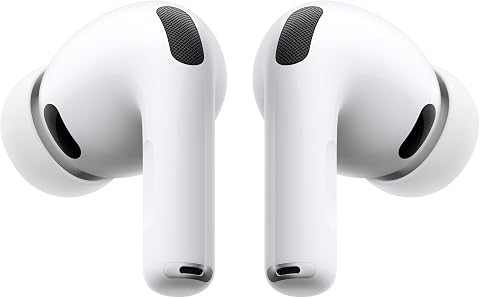 Apple AirPods Pro 3 Wireless Earbuds with Active Noise CancellationView on Amazon →
- 3
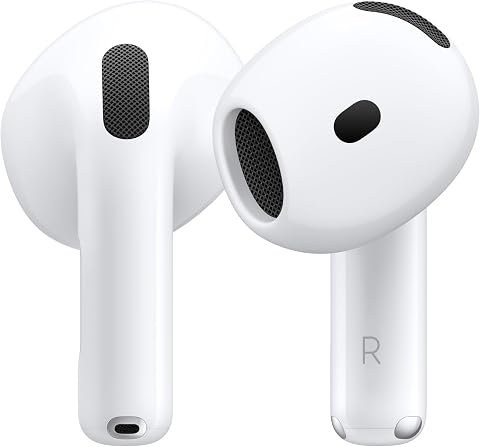 Apple AirPods 4 Wireless Earbuds with Active Noise CancellationView on Amazon →
- 4
 Sony WH-CH720N Wireless Noise Cancelling Over-Ear Headphones, BlackView on Amazon →
- 5
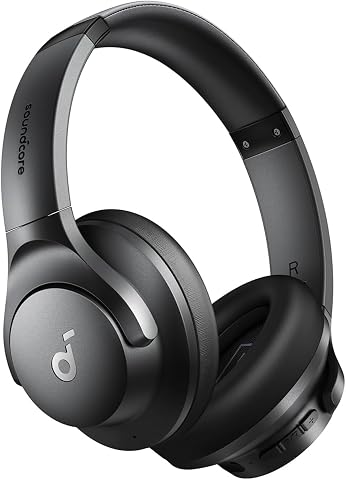 Soundcore by Anker Q20i Hybrid Active Noise Cancelling Headphones, BlackView on Amazon →
- 6
 Hybrid Active Noise Cancelling Bluetooth Headphones Wireless HeadphonesView on Amazon →
- 7
 Bluetooth Headphones with Active Noise Cancelling, Over-Ear, Foldable, WirelessView on Amazon →
Impact of AI-Enhanced Noise Cancellation in 2026
The emergence of AI-powered noise cancelling in 2026 signifies a leap forward in audio technology, providing users with highly adaptive sound environments. These headphones are particularly valuable for frequent travelers, remote workers, and anyone seeking immersive audio without external disruptions. The integration of AI improves user experience by automatically adjusting noise cancellation levels and sound profiles based on the environment, reducing the need for manual controls.
This development also influences the broader consumer electronics market, pushing competitors to innovate and incorporate smarter features. As noise cancelling becomes more effective and accessible across price ranges, it enhances the daily routines of millions, promoting better focus, relaxation, and productivity. However, the increased reliance on AI-driven features raises questions about privacy and data security, which are still being addressed by manufacturers.
Products Worth Considering

Apple MacBook Pro 14 2021 with M1 Max, 64GB RAM, 2TB SSD, Silver

Logitech MX Keys S Wireless Keyboard, Graphite
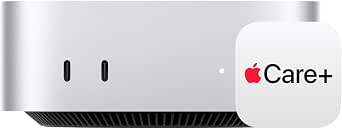
Apple Mac mini (2026) with M5 Pro chip and 3-year AppleCare+
As an affiliate, we earn on qualifying purchases.
Evolution of Noise Cancelling Technology by 2026
Over the past decade, noise cancelling headphones have evolved from basic passive models to sophisticated devices utilizing active noise reduction and AI algorithms. The early models primarily used physical noise blocking, but recent advancements have shifted toward digital, AI-powered solutions that dynamically adapt to environmental sounds.
In 2024, industry leaders introduced hybrid noise cancelling systems that combine multiple microphones and AI algorithms for better external noise suppression. The current year, 2026, sees these technologies further refined, with models offering personalized sound profiles, ambient sound modes, and smarter environmental awareness. Consumer demand for lightweight, durable, and long-lasting headphones has driven innovations in battery technology and materials, making premium features more accessible across different price points.
Furthermore, the integration of AI has expanded beyond noise cancellation, enhancing features like voice recognition, automatic device switching, and personalized EQ settings, making these headphones versatile tools for work and leisure alike.
“Consumers now expect headphones that not only block noise but also adapt seamlessly to their environments, and AI makes this possible.”
— Jane Liu, Consumer Electronics Expert
Remaining Questions About AI Noise Cancelling Headphones
While the top models demonstrate significant improvements, it is still unclear how well these AI features perform in extreme or highly variable environments. Long-term durability of AI components and their impact on device maintenance are also areas needing further study. Additionally, privacy concerns related to environmental data collection by AI algorithms are still being addressed by manufacturers, with regulations evolving.
Future Developments in AI Noise Cancelling Technology
Manufacturers are expected to continue refining AI algorithms for even better noise reduction, personalization, and environmental awareness. Upcoming models may feature more integrated health monitoring, voice control enhancements, and improved battery efficiency. Industry experts anticipate that AI will make noise cancelling headphones increasingly intuitive and adaptive, further blurring the line between traditional audio devices and smart wearables. Consumer feedback and regulatory developments will shape the trajectory of these innovations in the coming years.
Key Questions
How do AI noise cancelling headphones differ from previous models?
AI noise cancelling headphones automatically adapt to your environment using real-time analysis, providing more effective and seamless noise reduction compared to traditional models with fixed settings.
Are these headphones suitable for outdoor or active use?
Many of the top models now feature water and sweat resistance, making them suitable for outdoor activities, exercise, and travel, though durability varies by model.
Will AI features increase the cost of noise cancelling headphones?
Generally, AI-enhanced models are priced higher, but competition and technological advancements are making these features more accessible across different price ranges.
Can AI noise cancelling headphones cause privacy concerns?
Yes, as they collect environmental data to optimize performance, raising questions about data security and privacy, which manufacturers are addressing through policies and safeguards.
Source: ThorstenMeyerAI.com