

Choosing the right resource for learning business automation software comes down to one tradeoff: breadth versus depth. Some books teach a single platform deeply, while others give you the strategic and technical foundations to automate anything. My top pick is Intelligent Business Process Automation with Python for its rare combination of AI, machine learning, and RPA in one practical framework. Close behind, Workflow Automation with Microsoft Power Automate stands out for teams already living in the Microsoft ecosystem, and No-Code Freelance Automation 2026 wins for solo operators who need results without writing a single line of code. The biggest mistake buyers make here is grabbing a beginner-friendly no-code guide when they actually need implementation-level depth — or paying for executive strategy content when they need hands-on tutorials. Read on for the full ranked breakdown, including who each book is for and who should skip it.

Get business pricing on office and shipping supplies
- Business-only prices and quantity discounts
- Tax-exempt purchasing
- Multiple users, one account, clear invoices
Key Takeaways
- The lineup splits cleanly into four buyer archetypes — no-code operators, Microsoft-stack teams, Python engineers, and executives — and the top-ranked picks each dominate one archetype rather than competing across all of them.
- Platform-specific books (Power Automate, Zapier, QuickBooks) consistently deliver faster results than general automation theory, but Fundamentals of Business Process Management proved the better first purchase for anyone who doesn’t yet know which processes to automate.
- AI agent books clustered in the middle of the ranking: strong on vision, but only AI Agents for Business Automation and From AI Agent to Department include enough operational detail to actually deploy agents in support, data entry, and ops roles.
- The biggest quality gap in this category separates books that show you working automations from books that only describe them — every pick in the top tier includes buildable examples, while lower-ranked titles lean on concepts.
- Executives should skip the technical titles entirely; the executive playbook and the founder case study cover ROI, process waste, and deployment strategy without requiring any coding background.
| Robotic Process Automation with Blue Prism Quick Start Guide |  | Best for Enterprise RPA Beginners | Format: Paperback / eBook | Topic: Robotic Process Automation (RPA) | Platform Covered: Blue Prism | VIEW LATEST PRICE | See Our Full Breakdown |
| QuickBooks Online Complete Guide | 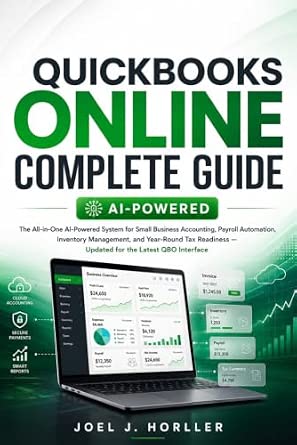 | Best for Financial Process Automation | Format: eBook / Digital guide | Topic: Accounting and financial automation | Platform Covered: QuickBooks Online | VIEW LATEST PRICE | See Our Full Breakdown |
| Workflow Automation with Microsoft Power Automate: Use Business Process Automation to Achieve Digital Transformation with Minimal Code |  | Best Low-Code Pick for Office-First Teams | Format: Paperback / eBook | Topic: Business process and workflow automation | Platform Covered: Microsoft Power Automate | VIEW LATEST PRICE | See Our Full Breakdown |
| AI-Powered Automation and Workflows for Small Business Owners |  | Best Strategy-First Pick for Owners | Format: eBook (Book 5 of AI Productivity series) | Topic: AI-driven automation strategy | Platform Covered: Vendor-neutral, multiple AI tools | VIEW LATEST PRICE | See Our Full Breakdown |
| Intelligent Business Process Automation with Python |  | Best for Developers Building Custom Systems | Format: eBook / Digital | Topic: AI-powered business process automation | Technologies Covered: Python, Large Language Models, Machine Learning, RPA | VIEW LATEST PRICE | See Our Full Breakdown |
| From AI Agent to Department: How to Build, Train, and Scale AI Agents Into High-Performing Departments |  | Best for Scaling Beyond Single Agents | Format: Kindle eBook | Series: A-genetic Business Series | Topic: AI agent development and scaling | VIEW LATEST PRICE | See Our Full Breakdown |
| Python for Automation & Scripting: From Local Scripts to Scheduled, Production-Grade Infrastructure Automation |  | Best for Technical Depth | Format: Kindle eBook | Topic: Python scripting and automation | Focus Areas: Local scripts, scheduling, production infrastructure automation | VIEW LATEST PRICE | See Our Full Breakdown |
| Workflow Automation with Microsoft Power Automate: Design and Scale AI-Powered Cloud and Desktop Workflows Using Low-Code Automation |  | Best for Enterprise Low-Code | Format: Paperback / eBook | Topic: Microsoft Power Automate workflow automation | Focus Areas: Low-code design, AI integration, cloud and desktop workflows | VIEW LATEST PRICE | See Our Full Breakdown |
| AI Agents for Business Automation: Building Agents That Handle Support, Data Entry, and Ops Work |  | Best for Hands-On Agent Building | Format: Kindle eBook | Topic: AI agents for business automation | Focus Areas: Support automation, data entry, operations work | VIEW LATEST PRICE | See Our Full Breakdown |
| Fundamentals of Business Process Management |  | Best Foundation Before You Automate | Format: Hardcover / Paperback / eBook | Topic: Business process management fundamentals | Focus Areas: Process modeling, analysis, design, improvement | VIEW LATEST PRICE | See Our Full Breakdown |
| Agentic Software: The App Layer Wins |  | Best Founder Perspective | Format: Book (digital/print) | Focus: AI workforce and agentic business strategy | Audience: Founders, executives, tech enthusiasts | VIEW LATEST PRICE | See Our Full Breakdown |
| AI for Business Process Reengineering & Automation: The Executive’s Complete Playbook |  | Best for Executives | Format: Book (digital/print) | Focus: AI-powered process reengineering and automation strategy | Audience: Executives and managers | VIEW LATEST PRICE | See Our Full Breakdown |
| No-Code Freelance Automation 2026 |  | Best for Solo Operators | Format: Book (digital/print) | Focus: No-code freelance business automation | Tools covered: Zapier, Make.com, ChatGPT | VIEW LATEST PRICE | See Our Full Breakdown |
| No B.S. Guide to Successful Marketing Automation |  | Best for Marketing Teams | Format: Book (print/digital) | Focus: Marketing automation strategy | Audience: Marketers and business owners | VIEW LATEST PRICE | See Our Full Breakdown |
| business automation software | Format | Topic | Skill Level | Approach |
|---|---|---|---|---|
| Robotic Process Automation wit | Paperback / eBook | Robotic Process Automation (RPA) | Beginner | Practical quick-start instruction |
| QuickBooks Online Complete Gui | eBook / Digital guide | Accounting and financial automation | Beginner to intermediate | — |
| Workflow Automation with Micro | Paperback / eBook | Business process and workflow automation | Beginner to intermediate | — |
| AI-Powered Automation and Work | eBook (Book 5 of AI Productivity series) | AI-driven automation strategy | Beginner | Strategic workflows with step-by-step guidance |
| Intelligent Business Process A | eBook / Digital | AI-powered business process automation | Advanced / intermediate developer | Hands-on build with practical examples |
| From AI Agent to Department: H | Kindle eBook | AI agent development and scaling | Intermediate to advanced | Strategic and organizational |
| Python for Automation & Script | Kindle eBook | Python scripting and automation | Beginner coder through intermediate engineer | Hands-on, code-first |
| Workflow Automation with Micro | Paperback / eBook | Microsoft Power Automate workflow automation | Beginner to intermediate | Low-code, platform-based |
| AI Agents for Business Automat | Kindle eBook | AI agents for business automation | Intermediate to advanced | Hands-on, engineering-focused |
| Fundamentals of Business Proce | Hardcover / Paperback / eBook | Business process management fundamentals | Introductory to intermediate | Academic and methodological |
| Agentic Software: The App Laye | Book (digital/print) | — | — | — |
| AI for Business Process Reengi | Book (digital/print) | — | — | Playbook-style strategic guide |
| No-Code Freelance Automation 2 | Book (digital/print) | — | — | — |
| No B.S. Guide to Successful Ma | Book (print/digital) | — | — | Direct, no-nonsense guidance style |
More Details on Our Top Picks
Robotic Process Automation with Blue Prism Quick Start Guide
This guide earns its place as the entry point into enterprise-grade RPA, walking newcomers through Blue Prism’s software robots with step-by-step instructions. Where Intelligent Business Process Automation with Python assumes you can code, this book treats robot building as a configuration exercise, which is exactly how Blue Prism works in corporate environments. The tradeoff is depth: readers who master these basics and want advanced customization, exception handling at scale, or custom code stages will outgrow it quickly. Compared with Workflow Automation with Microsoft Power Automate, it targets a heavier, IT-governed platform, so it suits larger organizations with a formal automation program rather than solo operators. This pick makes the most sense for someone whose employer has standardized on Blue Prism and needs to contribute fast without a developer background.
Pros:- Practical step-by-step instructions designed for beginners
- Focused specifically on Blue Prism rather than scattered across tools
- Teaches automating real business processes, not just tool menus
Cons:- Too basic for experienced RPA developers or administrators
- No coverage of advanced features or customization
Best for: New analysts and IT staff at companies already committed to Blue Prism who need practical, hands-on onboarding
Not ideal for: Small business owners and freelancers — Blue Prism is an enterprise platform with licensing costs that make this knowledge impractical at small scale
- Format:Paperback / eBook
- Topic:Robotic Process Automation (RPA)
- Platform Covered:Blue Prism
- Skill Level:Beginner
- Primary Audience:Enterprise analysts and IT staff
- Approach:Practical quick-start instruction
- Coding Required:No
Our verdict“Buy this if your organization runs Blue Prism and you need a fast, non-technical ramp into software robots; skip it if you want advanced enterprise architecture.”
QuickBooks Online Complete Guide
Most books in this roundup automate workflows broadly; this one drills into the financial back office, where small businesses bleed the most hours. It covers payroll automation, inventory management, and year-round tax readiness inside QuickBooks Online, including AI-powered features most owners never activate. Compared with AI-Powered Automation and Workflows for Small Business Owners, which surveys tools at a strategy level, this guide goes narrow and operational — readers finish with a configured accounting system, not just ideas. The obvious limitation: it is useful only if you run QuickBooks Online. Xero or FreshBooks users get nothing from it, and it describes a single vendor’s roadmap rather than teaching transferable automation thinking. For owners who already pay for QBO and are underusing it, this focus is exactly the point.
Pros:- Covers accounting, payroll, inventory, and tax automation in one place
- Includes AI-powered features and current QBO updates
- Directly applicable — readers can implement changes the same day
Cons:- Locked to a single vendor’s ecosystem
- Guide content only — no help choosing automation software itself
Best for: Small business owners already on QuickBooks Online who want to automate payroll, inventory, and tax prep instead of doing them manually
Not ideal for: Owners using other accounting platforms — every page assumes a QuickBooks Online subscription
- Format:eBook / Digital guide
- Topic:Accounting and financial automation
- Platform Covered:QuickBooks Online
- Areas Covered:Accounting, payroll, inventory, tax readiness
- Skill Level:Beginner to intermediate
- Primary Audience:Small business owners and bookkeepers
- Currency:Updated for latest QBO versions
Our verdict“If QuickBooks Online is your financial hub, this is the most immediately actionable automation book on the list; everyone else should pass.”
Workflow Automation with Microsoft Power Automate: Use Business Process Automation to Achieve Digital Transformation with Minimal Code
This option stands out as the middle ground between no-code and full programming. Power Automate ships with Microsoft 365, so office teams can automate approvals, notifications, and data movement without procuring new software — and this book teaches the minimal-code approach that keeps things maintainable. Compared with the Blue Prism Quick Start Guide, it serves a far broader audience because the underlying platform costs a fraction of enterprise RPA licenses. Against Intelligent Business Process Automation with Python, it sacrifices power and flexibility for speed and accessibility. The tradeoff: it assumes familiarity with the Microsoft ecosystem, and chapters on expressions and connectors get technical enough that absolute beginners may stall. For companies already living in Outlook, Teams, and SharePoint, this is the fastest path to real workflow automation.
Pros:- Minimal-code approach lowers the barrier to business process automation
- Built around a platform most offices already license
- Covers digital transformation strategy alongside mechanics
Cons:- Assumes working knowledge of Microsoft tools
- Later material runs technical for complete beginners
Best for: Office-based teams and analysts already on Microsoft 365 who want to automate workflows without a developer budget
Not ideal for: Non-Microsoft shops — teams on Google Workspace or Apple-only stacks will fight the platform the whole way
- Format:Paperback / eBook
- Topic:Business process and workflow automation
- Platform Covered:Microsoft Power Automate
- Skill Level:Beginner to intermediate
- Coding Required:Minimal code
- Primary Audience:Office teams, business analysts
- Ecosystem:Microsoft 365 / Azure
- Focus:Digital transformation and workflow design
Our verdict“The strongest choice for Microsoft-centric organizations that want maintainable automation without hiring developers.”
AI-Powered Automation and Workflows for Small Business Owners
Where the other books in this roundup teach a specific tool, this one answers the question that comes first: what should a small business owner automate, and in what order? It delivers strategy-level guidance with step-by-step frameworks for weaving AI tools into daily operations. Compared with Workflow Automation with Microsoft Power Automate, it trades platform depth for breadth — useful for owners who have not committed to any ecosystem yet. The drawback mirrors that strength: readers wanting specific tool configurations will find the treatment thin. If you need to automate one known process in a known platform, the Power Automate or QuickBooks guides serve better. But if you are drowning in manual work and unsure where AI fits at all, this is the starting point before buying anything.
Pros:- Strategy-first framing helps owners prioritize what to automate
- Step-by-step guidance that does not assume technical background
- Broad coverage across AI tools rather than one vendor
Cons:- Light on specifics for any particular AI tool
- Advanced users will find the technical content shallow
Best for: Overwhelmed small business owners who want a prioritized plan for adopting AI automation across their operations
Not ideal for: Hands-on implementers who need tool-specific tutorials, code, or configurations
- Format:eBook (Book 5 of AI Productivity series)
- Topic:AI-driven automation strategy
- Platform Covered:Vendor-neutral, multiple AI tools
- Skill Level:Beginner
- Primary Audience:Small business owners
- Approach:Strategic workflows with step-by-step guidance
- Coding Required:No
Our verdict“Read this before committing to a platform if you are an owner new to AI automation — just expect to follow up with a tool-specific guide.”
Intelligent Business Process Automation with Python
This is the most technically ambitious entry in the lineup — a guide to building AI-powered automation systems with Python, large language models, and machine learning rather than configuring someone else’s platform. Compared with Robotic Process Automation with Blue Prism Quick Start Guide, it trades point-and-click simplicity for total control: you are not renting a robot, you are engineering one. The practical examples mean readers finish with working systems, not theory, which distinguishes it from the strategy-level AI-Powered Automation and Workflows title. The tradeoffs are real. Solid Python skills are a prerequisite, not an outcome — this book will not teach the language from scratch — and building your own stack means owning its maintenance. For teams with developer capacity and processes too complex for off-the-shelf RPA, that investment pays off.
Pros:- Covers cutting-edge stack: LLMs, machine learning, and RPA together
- Practical Python examples that produce working systems
- Full architectural control instead of vendor lock-in
Cons:- Requires existing Python proficiency
- Self-built systems demand ongoing maintenance and ownership
Best for: Developers and technical teams building custom, AI-driven automation for complex processes that off-the-shelf tools cannot handle
Not ideal for: Non-coders and small teams without engineering resources — the Python and ML prerequisites are non-negotiable
- Format:eBook / Digital
- Topic:AI-powered business process automation
- Technologies Covered:Python, Large Language Models, Machine Learning, RPA
- Skill Level:Advanced / intermediate developer
- Primary Audience:Developers and technical automation teams
- Approach:Hands-on build with practical examples
- Coding Required:Yes — Python proficiency assumed
Our verdict“The clear pick if you have developers and need bespoke AI automation; the wrong pick if you want results this week without writing code.”
From AI Agent to Department: How to Build, Train, and Scale AI Agents Into High-Performing Departments
Most automation books stop at the first working agent — this one keeps going, which is exactly why it earns its place. Where AI Agents for Business Automation focuses on building individual agents for support and data entry, this title tackles the harder question: how do you turn one useful agent into a coordinated AI department with training, roles, and scale?
This pick makes the most sense for leaders who already believe in AI automation and now need an organizational blueprint rather than code samples. Compared with Agentic Software: The App Layer Wins, which takes a founder-narrative angle, this book is more structured and repeatable.
The tradeoff is real, though. Readers without prior exposure to AI concepts may find the scaling chapters assume vocabulary they don’t yet have, and it stays at the strategy layer rather than implementation detail.
Pros:- Rare focus on scaling multiple AI agents into a coordinated department rather than a single tool
- Practical frameworks for training and integrating AI teams into business operations
- Serves both business strategists and technical AI professionals
- Fits organizations moving past early experimentation into production-scale automation
Cons:- Assumes prior AI knowledge — not an entry point for newcomers
- Light on implementation detail; developers will need companion technical resources
Best for: Operations leaders and managers who already run pilots and need a framework for scaling AI agents into full departments
Not ideal for: Complete beginners or hands-on developers wanting step-by-step code — the strategy-level content skips implementation basics
- Format:Kindle eBook
- Series:A-genetic Business Series
- Topic:AI agent development and scaling
- Focus Areas:Agent training, team building, department-scale automation
- Audience:Business and AI professionals
- Skill Level:Intermediate to advanced
- Approach:Strategic and organizational
Our verdict“Choose this if you’ve already built working AI agents and now need the organizational playbook to scale them into a real department.”
Python for Automation & Scripting: From Local Scripts to Scheduled, Production-Grade Infrastructure Automation
Among the hands-on titles in this roundup, this one goes deepest into the engineering side. While Workflow Automation with Microsoft Power Automate teaches low-code workflow design, this book targets readers who want programmatic control — moving from simple local Python scripts all the way to scheduled, production-grade infrastructure automation.
That progression is the standout: it doesn’t abandon you at the ‘hello world’ script stage but shows how real automation gets hardened, scheduled, and deployed. Compared with Intelligent Business Process Automation with Python, which blends Python with LLMs and RPA, this option stays narrower and more disciplined about core scripting craft.
The cost of that depth is accessibility. Non-technical readers will find the early chapters steep, and business users who just need a Zapier-style workflow should look elsewhere in this lineup.
Pros:- Full progression from beginner scripts to production-grade automation infrastructure
- Practical, real-world examples rather than abstract theory
- Covers scheduling and deployment — the stages most scripting books skip
- Strong foundation for readers who later move into AI-powered Python automation
Cons:- Too technical for business users seeking no-code solutions
- Doesn’t cover AI or LLM integration, unlike several other titles here
Best for: Developers and IT engineers who want to replace manual ops work with robust, scheduled Python automation
Not ideal for: Non-technical business users — the programming-first approach requires coding fundamentals before it pays off
- Format:Kindle eBook
- Topic:Python scripting and automation
- Focus Areas:Local scripts, scheduling, production infrastructure automation
- Audience:Developers and IT professionals
- Skill Level:Beginner coder through intermediate engineer
- Approach:Hands-on, code-first
- Includes:Practical examples and best practices
Our verdict“This is the pick for readers who want their automation to live in code they control, not a low-code platform they rent.”
Workflow Automation with Microsoft Power Automate: Design and Scale AI-Powered Cloud and Desktop Workflows Using Low-Code Automation
For teams already living in the Microsoft ecosystem, this is the most immediately actionable title in the batch. It teaches Power Automate workflow design across both cloud and desktop environments, which distinguishes it from the earlier Workflow Automation with Microsoft Power Automate volume in this roundup — this edition leans into AI-powered flows and scale rather than just digital transformation basics.
Compared with Python for Automation & Scripting, the low-code approach means business analysts can build automations without engineering support, though they sacrifice the fine-grained control code provides. The AI integration guidance is what elevates it above generic platform tutorials.
Its dependence on the Microsoft stack is both strength and limitation: deep Office and Azure integration on one hand, near-zero relevance for teams on Google Workspace or other platforms on the other.
Pros:- Covers both cloud and desktop (RPA-style) automation in one resource
- Low-code approach puts automation in the hands of business users, not just developers
- Explicit focus on AI-powered workflow design keeps it current
- Strong fit for enterprises standardizing on the Microsoft platform
Cons:- Locked to the Microsoft ecosystem — no cross-platform value
- Some sections get technical enough to challenge true low-code beginners
Best for: Microsoft-centric organizations that want business users building AI-enhanced workflows without writing code
Not ideal for: Teams on non-Microsoft stacks — the entire book is anchored to the Power Platform ecosystem
- Format:Paperback / eBook
- Topic:Microsoft Power Automate workflow automation
- Focus Areas:Low-code design, AI integration, cloud and desktop workflows
- Audience:Business users, analysts, IT pros in Microsoft environments
- Skill Level:Beginner to intermediate
- Approach:Low-code, platform-based
- Ecosystem:Microsoft Power Platform
Our verdict“If your company runs on Microsoft and wants scalable, AI-enhanced workflows built by non-developers, this is the clear choice.”
AI Agents for Business Automation: Building Agents That Handle Support, Data Entry, and Ops Work
This title occupies the practical middle ground of the AI-agent books in this roundup. Where From AI Agent to Department zooms out to organizational strategy, this book zooms in on actually building agents for three concrete, high-volume workloads: customer support, data entry, and operations.
That specificity is its strength. Instead of vague promises about AI transformation, it pairs large language model engineering with business problems readers already have. Compared with Intelligent Business Process Automation with Python, the scope is narrower but more accessible to engineers focused specifically on agent behavior rather than the broader ML and RPA toolkit.
The flip side: it assumes genuine LLM engineering fluency. Readers hoping for copy-paste prompts or no-code shortcuts will struggle, and the ops-heavy framing may not suit anyone outside support and back-office functions.
Pros:- Targets three specific, high-ROI business tasks rather than abstract automation theory
- Grounded in real LLM engineering principles, not surface-level AI hype
- Directly applicable to support and back-office automation projects
- Practical orientation complements more strategic titles in this roundup
Cons:- Too advanced for beginners without LLM engineering background
- Narrow focus on support, data entry, and ops may not serve other business functions
Best for: LLM-literate engineers tasked with automating support tickets, data entry, and repetitive ops workflows
Not ideal for: Non-technical readers or executives wanting strategy-level content — the material expects engineering-level engagement
- Format:Kindle eBook
- Topic:AI agents for business automation
- Focus Areas:Support automation, data entry, operations work
- Core Technology:Large language models and agent engineering
- Audience:AI and LLM engineering professionals
- Skill Level:Intermediate to advanced
- Approach:Hands-on, engineering-focused
Our verdict“Engineers who need working agents handling support and data work — not another strategy book — will get the most from this focused, hands-on guide.”
Fundamentals of Business Process Management
In a roundup full of automation tactics, this book asks the question everyone skips: should this process exist at all? As the foundational pick, it teaches business process management from first principles — modeling, analysis, and improvement — before any tool touches the workflow.
That positioning makes it the natural prerequisite to titles like Workflow Automation with Microsoft Power Automate or AI for Business Process Reengineering & Automation. Automating a badly designed process just produces faster waste, and this book is the antidote. Compared with the more executive-oriented playbook titles, this one is more rigorous and academic, drawing on established BPM methodology.
The tradeoff is pacing. Readers chasing quick wins will find it theoretical, and it offers nothing about AI, RPA, or specific platforms — it’s the map, not the vehicle. Students and serious practitioners will value that; tool-shoppers may not.
Pros:- Rigorous, methodology-driven coverage of BPM principles and techniques
- Teaches process analysis that prevents automating broken workflows
- Serves as a durable foundation under any automation tool chosen later
- Well suited to both academic study and professional practice
Cons:- No coverage of AI, RPA, or specific automation platforms
- Academic tone and depth make it slow going for practitioners seeking quick fixes
Best for: Students, process analysts, and teams who need to redesign processes correctly before automating them
Not ideal for: Readers wanting tool tutorials or immediate automation recipes — this is methodology, not implementation
- Format:Hardcover / Paperback / eBook
- Topic:Business process management fundamentals
- Focus Areas:Process modeling, analysis, design, improvement
- Audience:Students and BPM professionals
- Skill Level:Introductory to intermediate
- Approach:Academic and methodological
- Tool Coverage:Tool-agnostic
Our verdict“Read this before buying any automation tool — it teaches you how to fix the processes the software would otherwise just accelerate.”
Agentic Software: The App Layer Wins
Most books in this roundup teach you how to build workflows; this one asks a bigger question: what happens when AI agents become your actual workforce? Told through the lens of a founder who ran a real company with an AI-driven team, it reads less like a manual and more like a case study with strategic lessons attached. Compared with AI Agents for Business Automation, which stays at the level of building individual agents for support and data entry, this pick goes further up the stack — it covers organizational design, delegation to AI, and the economics of an AI-run operation. The tradeoff is real: developers hoping for architecture diagrams or code will be disappointed, and compared with Intelligent Business Process Automation with Python it is light on implementation. But for decision-makers sizing up what agentic AI means for headcount and structure, this perspective is hard to find elsewhere.
Pros:- Grounded in a real company rather than hypothetical scenarios
- Strong on organizational strategy and AI workforce integration
- Accessible to non-technical business leaders
- Offers a perspective most automation books skip: structure over tooling
Cons:- Little technical detail for engineers or developers
- Strategy-heavy framing may frustrate readers who want actionable workflows
Best for: Founders and executives who want a strategic, real-world case study of running a company with an AI workforce before committing to automation investment
Not ideal for: Developers and technical implementers who need code, frameworks, or step-by-step agent-building instructions
- Format:Book (digital/print)
- Focus:AI workforce and agentic business strategy
- Audience:Founders, executives, tech enthusiasts
- Perspective:Founder case study of a real company
- Technical depth:Low — strategic rather than implementation-focused
- Key topics:AI integration, organizational management, app-layer thinking
Our verdict“This is the pick for leaders who want to understand what an AI workforce means for their organization, not how to wire one up themselves.”
AI for Business Process Reengineering & Automation: The Executive’s Complete Playbook
Where Agentic Software tells one founder’s story, this playbook aims to be the systematic executive manual for deploying AI-powered automation across an entire organization. Its strength is breadth: it walks through process reengineering, waste elimination, and deployment strategy in a way that maps cleanly onto how leadership teams actually evaluate initiatives. Compared with Fundamentals of Business Process Management, which teaches the academic discipline of BPM, this pick is more action-oriented and AI-forward — it assumes you want to automate, and helps you decide where to start. The flip side of that breadth is altitude. Technical staff will find nothing here about building anything, and unlike Workflow Automation with Microsoft Power Automate, there is no tool-specific handholding. This makes the most sense for readers who sponsor automation programs rather than those who run them.
Pros:- Broad, structured coverage of AI-driven process reengineering
- Practical frameworks for identifying and eliminating process waste
- Written for a leadership audience with business outcomes in mind
- Useful for building an internal business case for automation
Cons:- No technical implementation details whatsoever
- Too high-level for anyone who will personally build the automations
Best for: Executives and senior managers who need a structured playbook for sponsoring, scoping, and rolling out AI automation across business processes
Not ideal for: Technical staff and hands-on builders who need implementation detail or tool-specific guidance
- Format:Book (digital/print)
- Focus:AI-powered process reengineering and automation strategy
- Audience:Executives and managers
- Approach:Playbook-style strategic guide
- Key topics:Automation deployment, process waste elimination, process improvement
- Technical depth:Low — strategic and managerial
Our verdict“The right choice for leaders who need to direct automation strategy without touching the tooling themselves.”
No-Code Freelance Automation 2026
This is the most narrowly targeted pick in the lineup, and that focus is its greatest asset. Instead of enterprise process reengineering, it teaches a one-person business how to run itself using Zapier, Make.com, and ChatGPT, with 25 ready-to-use workflows you can copy rather than design from scratch. Compared with Workflow Automation with Microsoft Power Automate, which assumes a corporate Microsoft-stack environment, this option uses tools freelancers can afford and set up in an afternoon. It also sits at the opposite end of the spectrum from Intelligent Business Process Automation with Python — no coding required at all. The tradeoffs are shelf life and floor: no-code platforms change fast, so parts of the book will age, and total beginners may still find multi-step workflows intimidating at first. For a solo operator drowning in admin, though, the immediate payoff outweighs both risks.
Pros:- 25 ready-to-use workflows that remove the design guesswork
- Covers accessible, affordable tools: Zapier, Make.com, and ChatGPT
- No coding or technical background required
- Directly targets freelance pain points like invoicing and client admin
Cons:- No-code tool interfaces evolve quickly, so instructions can become outdated
- Multi-step workflows may still feel complex for complete beginners
Best for: Freelancers and solo business owners who want copy-paste automation workflows using affordable no-code tools
Not ideal for: Enterprise teams or developers who need scalable, code-driven automation infrastructure
- Format:Book (digital/print)
- Focus:No-code freelance business automation
- Tools covered:Zapier, Make.com, ChatGPT
- Included assets:25 ready-to-use workflows
- Audience:Freelancers and solo business owners
- Technical depth:Beginner-friendly, no coding required
Our verdict“The fastest route to autopilot for a one-person business, as long as you accept the shorter shelf life of no-code content.”
No B.S. Guide to Successful Marketing Automation
Every other pick here automates operations, finance, or general workflows — this one owns the marketing function specifically, and that specialization matters. It covers how to fold technology, automation, and AI into campaigns, lead nurturing, and customer outreach without the fluff its title promises to avoid. Compared with No-Code Freelance Automation 2026, which is broader but freelance-sized, this guide is better suited to marketers inside growing companies who need repeatable, results-driven systems. And where AI for Business Process Reengineering & Automation treats marketing as one process among many, this book gives it the dedicated treatment it usually requires. The honest drawback is altitude: there are no step-by-step tool instructions, so you will still need platform-specific resources to execute, and advanced practitioners may find the material familiar. Think of it as the strategy layer that sits above your marketing stack.
Pros:- Candid, jargon-free style that cuts through marketing automation hype
- Covers current marketing automation and AI technologies
- Function-specific depth that general business automation books lack
- Practical strategies tied to measurable marketing results
Cons:- No detailed technical instructions for specific platforms
- May feel too basic for advanced automation practitioners
Best for: Marketers and growth leads who want a candid, strategy-first guide to automating campaigns and customer outreach
Not ideal for: Advanced marketing technologists or readers who need detailed, tool-by-tool setup instructions
- Format:Book (print/digital)
- Focus:Marketing automation strategy
- Audience:Marketers and business owners
- Key topics:Marketing technology, automation, AI in marketing
- Approach:Direct, no-nonsense guidance style
- Technical depth:Low to moderate — strategy over setup
Our verdict“The best fit for marketers who want strategy and straight talk over setup manuals — pair it with a tool-specific resource to execute.”

How We Picked
Because every one of these books targets a different automation journey, I ranked them against four buyer-relevant criteria rather than a single yardstick. First, actionability: does the reader finish with a working automation, a deployable agent, or just a vocabulary? Books with buildable, step-by-step examples ranked above concept-heavy titles regardless of how impressive the subject matter sounded. Second, audience fit: a brilliant Python guide is the wrong book for a marketer, so each title was judged on how clearly it serves its intended reader and how honestly it signals who should skip it.
Third, I weighed currency and platform relevance — automation tools change fast, and titles covering low-code platforms, LLM-based agents, and modern workflow design scored higher than those anchored to aging approaches. Fourth, depth versus breadth tradeoffs: single-platform guides were held to a higher standard of completeness, while generalist titles had to justify their scope with genuinely transferable frameworks. The final ordering places the picks that best balance all four criteria at the top, with specialist and niche titles ranked by how decisively they win for their specific buyer.
| business automation software | Skill Level |
|---|---|
| Robotic Process Automation wit | Beginner |
| QuickBooks Online Complete Gui | Beginner to intermediate |
| Workflow Automation with Micro | Beginner to intermediate |
| AI-Powered Automation and Work | Beginner |
| Intelligent Business Process A | Advanced / intermediate developer |
| From AI Agent to Department: H | Intermediate to advanced |
| Python for Automation & Script | Beginner coder through intermediate engineer |
| Workflow Automation with Micro | Beginner to intermediate |
| AI Agents for Business Automat | Intermediate to advanced |
| Fundamentals of Business Proce | Introductory to intermediate |
| Agentic Software: The App Laye | — |
| AI for Business Process Reengi | — |
| No-Code Freelance Automation 2 | — |
| No B.S. Guide to Successful Ma | — |
Factors to Consider When Choosing Business Automation Software
Before picking a title from this roundup, it helps to understand what actually separates a useful automation book from an expensive paperweight. These are the factors that shaped my ranking — and the questions worth answering before you commit.Match the Book to Your Technical Ceiling
The single most common buying mistake in this category is mismatched technical depth. No-code guides built around Zapier, Make.com, and ChatGPT assume zero programming background and get stale quickly if your needs grow beyond simple trigger-and-action chains. Python-based automation books, by contrast, are an investment: the first chapters will frustrate non-programmers, but the skills transfer to any platform you’ll ever touch. A useful rule of thumb — if you can’t spare a weekend to set up a development environment, stay in the no-code and low-code lane. If you’ve ever edited a script someone else wrote, the Python titles will pay off disproportionately. Buyers who overestimate their appetite for code typically abandon technical books within two chapters, so be honest about this before clicking buy.
Platform Lock-In Versus Transferable Skills
Every platform-specific book — whether it covers Power Automate, QuickBooks, or Zapier — bakes in a degree of lock-in. That’s fine if your organization has already committed to that stack, and it’s actually an advantage: platform books go deeper on quirks, connectors, and real-world limits than any generalist guide can. The risk appears when you’re automating for a business that might change tools in the next two years. General automation strategy books and Python titles hedge that risk because their core lessons survive platform migrations. A balanced library for a growing company often includes one platform book for immediate productivity plus one transferable-skills book for long-term capability. What you want to avoid is buying three books about three different platforms — that’s breadth without depth in any of them.
Strategy Books Versus Implementation Books
This category quietly divides into books that help you decide what to automate and books that show you how to automate it — and confusing the two wastes money on both sides. Process management and business process reengineering titles operate at the map level: identifying wasteful workflows, calculating ROI, and sequencing automation projects. Implementation titles operate at the keyboard level. Executives and operations leaders almost always need the map first, because automating a broken process just produces faster brokenness. Practitioners need the keyboard level and find strategy content frustratingly abstract. The tell when browsing: if a book’s table of contents is full of frameworks, maturity models, and case studies, it’s a map book; if it’s full of configurations, scripts, and walkthroughs, it’s a keyboard book.
The AI Agent Question: Hype or Headache
AI agent content is the fastest-moving segment here, and it carries the most hype risk of any topic in this roundup. Some agent books read like extended thought-leadership essays — inspiring, but with nothing you can deploy on Monday. Others, including the top-ranked agent titles in this list, include actual architectures for support triage, data entry pipelines, and ops workflows. Before buying any AI agent book, check whether it addresses failure modes: what happens when an agent hallucinates, how humans stay in the loop, and how you measure whether the agent is actually saving money. Books that skip these operational realities are selling a vision, not a capability. If a book promises an AI workforce that runs a company with no discussion of oversight, treat that claim as a red flag rather than a feature.
Currency: Publication Speed Matters
Automation platforms and AI capabilities shift every few months, which makes publication recency a harder constraint here than in most technical categories. A book on workflow automation written before modern LLM integrations existed will teach you patterns that feel dated the moment you open the tool. That said, recency isn’t everything — fundamentals titles on process management age slowly because human process problems change slowly. The riskiest purchases are books that chase tool features rather than concepts, since features get renamed, moved, or retired. Check the copyright year against how fast your target platform releases changes; anything more than two cycles behind is a gamble. Older books can still be worth buying when their subject is conceptual, but platform walkthroughs lose value quickly.
Who Will Actually Do the Work
A surprisingly common mistake: the person choosing the book is not the person who will use it. A founder buying a Python automation title for a non-technical employee, or a manager buying an executive playbook for a junior analyst, produces a shelf ornament every time. Before purchasing, identify the operator — the human who will build and maintain the automations — and buy for their skills, not the buyer’s ambitions. Freelancers and solo operators should prioritize books that combine tooling with business context, since they wear both hats. Teams should consider whether one shared reference or role-specific books serve them better; a two-book split between a strategy title for leadership and an implementation title for builders usually beats one compromise purchase for everyone.
Frequently Asked Questions
Should I learn no-code automation tools first, or go straight to Python?
It depends entirely on what you’re automating and how much time you can invest. No-code tools like Zapier, Make.com, and Power Automate deliver working automations within hours and cover the vast majority of small-business needs — invoicing follow-ups, lead routing, data syncing. Python becomes worth the learning curve when you hit their limits: complex logic, large data volumes, custom AI integrations, or automations that need to run reliably at scale. A practical middle path is starting no-code, noting where you keep hitting walls, and only then investing in a Python title targeted at those specific gaps. Going straight to Python without a concrete problem to solve is the most common way learners quit.
Are AI agent books actually practical yet, or is it still too early?
The practical ones are genuinely practical — but only for a narrow set of use cases right now. Books covering support triage, data entry, and structured ops workflows describe deployments that work today, because those tasks have clear inputs, checkable outputs, and natural human review points. Anything promising fully autonomous departments running entire companies should be read as a case study or vision, not a replicable playbook. The practical titles spend real pages on guardrails: escalation paths, human-in-the-loop approval, and monitoring for drift. If a book treats those as afterthoughts, it’s premature. My honest read: buy one practical agent book now if you have a concrete repetitive workflow, and wait on the ambitious workforce-building titles until you’ve run something smaller successfully.
Do I need a business process management book before an automation book?
If you’re automating more than two or three personal tasks, yes — and this is the step most buyers skip. The failure pattern is predictable: someone learns a tool, automates the first painful process they see, and discovers six months later they’ve automated a process that shouldn’t exist at all. A process fundamentals book teaches you to map workflows, spot waste, and sequence automation projects by ROI before spending build time. For solo freelancers automating their own admin, this is probably overkill and a tool-specific book is enough. For anyone automating within a team or company, the strategy-first purchase typically saves multiples of its cost in avoided rework. The best sequence for organizations is fundamentals, then a platform book, then AI agent content once the basics run.
Which single platform should I commit to learning if I run a small business?
For most small businesses the honest answer is the one your other tools already connect to. If you live in Microsoft 365, Power Automate is the clear choice because the connectors, licensing, and admin controls are already around you — and the two Power Automate titles in this lineup cover both beginner and scaling paths. If your stack is mixed SaaS (Google Workspace, CRMs, e-commerce tools), Zapier or Make.com offer broader connector coverage and faster setup. QuickBooks-centric businesses with automation needs limited to accounting and payroll should start there rather than learning a general tool. The mistake to avoid is learning two platforms at once; connector depth in one tool beats shallow familiarity with three.
Is an executive-focused automation book worth it if I’m not technical?
Yes, and possibly more than a technical one — provided you’re in a position to approve projects and allocate budget. Executive-oriented titles focus on where automation pays back, how to sequence deployments, and how to avoid the process-waste trap, which is decision-making content a technical book will never give you. The non-technical leader who understands ROI modeling and change management is often more valuable to an automation initiative than one more person who can build workflows. Where these books fall short is follow-through: they won’t help you evaluate whether your team’s technical proposals are sound. Pair an executive playbook with a light no-code title so you can build one small automation yourself — that hands-on context dramatically improves your judgment when reviewing bigger proposals.
Conclusion
After comparing all fourteen titles, the right choice maps cleanly to who you are and what you’re automating. For the best overall pick, Intelligent Business Process Automation with Python earns the top spot — no other title combines AI, machine learning, and RPA with skills that survive any platform change. The best value goes to No-Code Freelance Automation 2026, which packs immediately usable Zapier, Make.com, and ChatGPT workflows into a package solo operators can act on the same day. AI for Business Process Reengineering & Automation stands as the best premium choice for leaders who need deployment strategy, waste elimination, and ROI framing rather than tutorials.
For beginners, Fundamentals of Business Process Management is the smartest first purchase — knowing what to automate beats knowing a tool — with the Power Automate basics guide as the fast hands-on alternative. Best for Microsoft teams is the second Power Automate title, which carries readers from first flows to scaled cloud and desktop workflows. Best for specific needs breaks down further: QuickBooks devotees should grab the Complete Guide for accounting and payroll automation, AI-agent builders should choose between the practical AI Agents for Business Automation and the ambitious From AI Agent to Department depending on scale, and marketers get focused value from the No B.S. Guide to Successful Marketing Automation. Match the book to the operator, buy depth over breadth, and you’ll end up with automation that actually runs.
Fall Picks
fall essentials
As an affiliate, we earn on qualifying purchases.