

To manage your direct sales business effectively, focus on KPIs like sales growth, customer retention, and team activity levels. Track metrics such as average deal size, conversion rates, and sales cycle length to identify strengths and areas for improvement. Monitoring these indicators helps motivate your team, optimize processes, and boost customer loyalty. Stay attentive to these crucial signs of success, and you’ll uncover strategies to drive sustained growth and performance. Keep exploring to discover how to implement these measures seamlessly.
Key Takeaways
- Track sales revenue, average deal size, and conversion rates to measure overall sales performance.
- Monitor team activity levels and engagement metrics to assess motivation and productivity.
- Measure customer retention rates and lifetime value to evaluate loyalty and satisfaction.
- Analyze sales pipeline health, lead conversion ratios, and sales cycle duration for process efficiency.
- Regularly review KPIs to inform decisions, optimize efforts, and drive business growth.

Tracking the right KPIs is essential for measuring your sales business’s success and identifying areas for improvement. When you focus on the right metrics, you gain a clearer picture of how your team performs and where you can optimize your efforts. One of the most critical aspects is monitoring sales team motivation. If your team isn’t motivated, even the best strategies won’t deliver the results you need. Keeping an eye on KPIs like average deal size, sales activity levels, and conversion rates helps you understand how engaged your team is and whether they’re maintaining the energy necessary to meet targets. Motivated salespeople tend to work more efficiently, close more deals, and stay committed to your business longer. Regularly reviewing these metrics allows you to implement targeted incentives or training programs to boost morale and productivity. Additionally, establishing clear privacy policies helps build trust and ensures compliance with regulations, which can positively influence customer retention and overall brand reputation.
Customer retention strategies are another crucial component when selecting your KPIs. It’s often more cost-effective to retain existing clients than to acquire new ones, so tracking customer retention rates provides valuable insights into your business health. High retention rates suggest your customers are satisfied and loyal, which often correlates with effective service, personalized communication, and consistent follow-up. You should also keep tabs on repeat purchase rates and customer lifetime value, as these metrics reveal the strength of your relationships and the effectiveness of your retention efforts. When these KPIs decline, it signals that you may need to enhance your customer engagement tactics or address issues that cause churn. Implementing customer feedback surveys and tracking response rates can help you identify what’s working and what needs adjustment.
Beyond motivation and retention, other KPIs like sales pipeline health, lead conversion ratios, and average sales cycle length provide a detailed view of your sales process. By continuously analyzing these indicators, you can identify bottlenecks and streamline your workflows. For example, a lengthy sales cycle might indicate a need for better qualification processes or improved sales training. If your pipeline consistently dries up at a certain stage, you know where to focus your efforts or provide your team with additional resources. When you keep your finger on the pulse of these critical KPIs, you’re better equipped to make informed decisions, motivate your team effectively, and refine your customer retention strategies. This ongoing process ensures your sales business stays agile, competitive, and positioned for sustained growth.
sales performance tracking software
As an affiliate, we earn on qualifying purchases.
As an affiliate, we earn on qualifying purchases.
Frequently Asked Questions
How Do I Choose the Right KPIS for My Specific Business?
To choose the right KPIs, start by setting clear sales targets and focusing on customer retention. Track metrics that directly influence your goals, like conversion rates or average order value. Regularly review your performance data to see what’s working and adjust your KPIs accordingly. This keeps you aligned with your business growth, helping you stay motivated and make smarter decisions that boost sales and retain customers.
How Often Should I Review and Update My KPIS?
Think of your KPIs as the sails guiding your ship; you should review and update them regularly to stay on course. Typically, check your KPIs monthly or quarterly, especially focusing on sales team motivation and customer satisfaction. This ensures you spot changes early, adjust strategies, and keep your business thriving. Regular updates help you navigate challenges, maintain momentum, and make sure your KPIs reflect your evolving goals.
What Tools Can Help Track KPIS Effectively?
You can track KPIs effectively using sales dashboards that provide real-time data visualizations, making it easy to monitor your progress. Additionally, CRM integrations streamline data collection, automatically syncing sales figures and customer info. These tools help you identify trends, measure performance, and adjust strategies quickly. By leveraging sales dashboards and CRM integrations, you stay informed and proactive, ensuring your direct sales business stays on track for success.
How Do KPIS Vary Across Different Sales Industries?
Imagine each industry as a different river with unique currents. Your KPIs, like industry benchmarks and sales cycle metrics, shift accordingly. In retail, you focus on volume and conversion rates; in SaaS, customer retention and average deal size matter more. Understanding these variations helps you navigate effectively, adjusting your strategies to meet industry-specific goals and optimize performance across diverse sales landscapes.
What Are Common Mistakes to Avoid When Setting KPIS?
When setting KPIs, avoid choosing misaligned metrics that don’t reflect your sales goals. Don’t set unrealistic targets that hinder motivation or cause frustration. Instead, focus on clear, achievable benchmarks aligned with your business priorities. Regularly review and adjust your KPIs to stay relevant. Keep your team engaged by setting attainable goals, and guarantee your metrics truly measure what matters most for your growth and success.

Unstructured Data Analytics: How to Improve Customer Acquisition, Customer Retention, and Fraud Detection and Prevention
As an affiliate, we earn on qualifying purchases.
As an affiliate, we earn on qualifying purchases.
Conclusion
By tracking the right KPIs, you hold the map to your sales success. They’re your compass, guiding you through challenges and towards growth. Remember, without measuring, you’re sailing blind in a storm. Embrace these indicators, stay adaptable, and watch your business thrive. The key to victory isn’t just working hard — it’s working smart with data as your trusted navigator. So, set your KPIs and steer confidently toward your sales goals.

Fanatical Prospecting: The Ultimate Guide to Opening Sales Conversations and Filling the Pipeline by Leveraging Social Selling, Telephone, Email, Text, and Cold Calling (Jeb Blount)
As an affiliate, we earn on qualifying purchases.
As an affiliate, we earn on qualifying purchases.
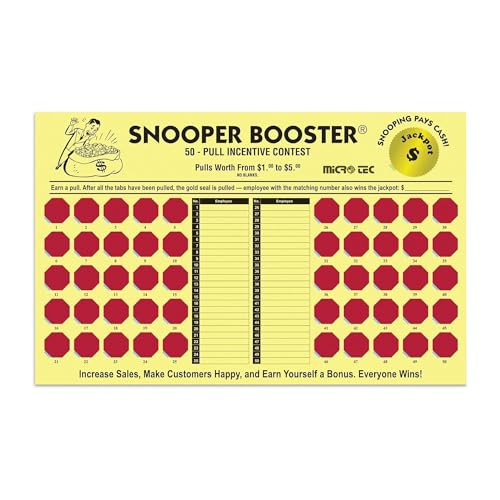
Snooper Booster Incentive Cash Board 17 x 10.75 Inch – Employee Reward and Motivation Board with 50 Red Pull Tabs, Automotive Service Team Incentive Tool, Office Gamified Performance Board – Pack of 1
EMPLOYEE INCENTIVE CASH BOARD FOR AUTOMOTIVE AND OFFICE TEAMS: Snooper Booster reward board designed for automotive service departments,…
As an affiliate, we earn on qualifying purchases.
As an affiliate, we earn on qualifying purchases.