

To increase sales conversions, you should showcase social proof like customer testimonials, reviews, and video stories that build trust and credibility. Highlight real experiences on key pages and respond to feedback to demonstrate your commitment. Incorporate technology to select impactful reviews and address common objections. When you effectively leverage social proof, it reassures prospects and guides them toward buying. Keep exploring how to strategically use social proof to turn more visitors into customers.
Key Takeaways
- Showcase authentic customer testimonials and reviews prominently on key landing pages to build trust.
- Use real names, photos, and detailed stories to enhance credibility and relatability.
- Incorporate video testimonials to evoke emotional engagement and demonstrate product effectiveness.
- Respond to customer feedback publicly to demonstrate active listening and commitment to satisfaction.
- Leverage AI tools to identify impactful reviews that address common objections and reinforce key selling points.

Social proof is a powerful tool that can substantially boost your sales conversions by building trust and credibility with your audience. When potential customers see positive feedback from others, they feel more confident in choosing your product or service. Customer testimonials and user reviews are among the most effective types of social proof because they come directly from people who have experienced your offering firsthand. They serve as authentic endorsements that can influence purchasing decisions, especially when prospects are on the fence.
Social proof builds trust and boosts conversions through authentic customer feedback and reviews.
Customer testimonials are especially impactful because they tell a story. When someone shares how your product solved a problem or improved their life, it humanizes your brand and makes it more relatable. These testimonials provide social proof that your product delivers on its promises, reducing perceived risk. Make sure to display testimonials prominently on your website, landing pages, and product pages. Use real names and photos if possible, as this adds credibility and authenticity. When potential buyers see that others just like them have had positive experiences, they’re more likely to convert.
User reviews work similarly, but they often come in a more detailed format. They can include ratings, comments, and specific insights into your product or service. Encourage your customers to leave reviews after their purchase, and respond to them openly. Responding to reviews—both positive and negative—demonstrates that you value your customers’ feedback and are committed to improving. This engagement can also influence new visitors who see that your brand actively listens and cares about customer satisfaction.
Incorporating customer testimonials and user reviews into your marketing strategy isn’t just about collecting feedback; it’s about strategically showcasing this social proof where it counts. Place reviews on your homepage, product pages, and checkout pages to reinforce the quality and reliability of your offerings. Consider adding video testimonials, which tend to be even more persuasive because they visually convey authenticity and emotion. Highlight stories that address common objections or pain points, so prospects see real examples of how your product or service can meet their needs. Additionally, leveraging AI in Business tools can help identify and showcase the most impactful reviews to maximize credibility.
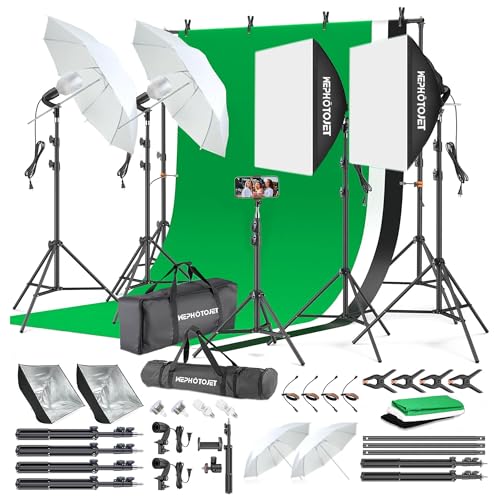
WEPHOTOJET Photography Softboxes Kit with 6.6x10ft Backdrop Stands, 5 Tripod Stands, 3 Color Background Screen, Softbox with 85W Led Bulb, Photo Studio Equipment for Video Shoot, Product & Portrait
【Complete Photography Lighting Kit】1 x 6.6ft*10ft Background Stand; 5 x Light Stands(6.5ft); 2 x 33" White Umbrellas;2 x...
As an affiliate, we earn on qualifying purchases.
Frequently Asked Questions
How Do I Measure the Effectiveness of Social Proof?
You can measure the effectiveness of social proof by tracking customer feedback and analyzing conversion metrics. Look at how positive reviews, testimonials, or user counts impact your sales—if you see an uptick after adding social proof, it’s working. Use analytics tools to monitor changes in conversion rates, bounce rates, and time spent on pages. Comparing these metrics before and after implementing social proof helps you determine its impact on your sales performance.
Can Social Proof Work for New or Unknown Brands?
Did you know 92% of consumers trust recommendations over other forms of advertising? Social proof can definitely work for new or unknown brands by boosting brand recognition and trust building. When you showcase customer reviews, testimonials, or influencer endorsements, you create credibility fast. This helps potential customers feel more confident in trying your product, even if your brand is just starting out. So, yes, social proof is a powerful tool for new brands.
What Are the Risks of Using Fake Social Proof?
Using fake reviews or inflated testimonials can seriously harm your brand’s reputation. Customers quickly spot fake social proof, which damages trust and credibility. If you get caught, you risk legal action, negative publicity, and losing customers. Instead of fake social proof, focus on genuine reviews and authentic testimonials. Building trust takes time, but it’s worth it for long-term success and a solid reputation.
How Do I Choose the Right Type of Social Proof?
Picking the right social proof is like choosing the perfect seasoning for a dish—you want what enhances your flavor. Focus on customer testimonials if you need authentic experiences and trust-building. Influencer endorsements work well if your target audience trusts those personalities. Consider your brand’s voice and your audience’s preferences. Combining both can create a powerful recipe that convinces visitors to take action and boosts your sales.
How Often Should I Update My Social Proof Content?
You should update your social proof content regularly to keep it fresh and relevant. Aim for timing strategies that match your customer journey, such as updating testimonials after major milestones or new product launches. Generally, refresh your content every one to three months to maintain content freshness and credibility. Consistent updates guarantee your audience sees current, authentic proof, boosting trust and conversion rates effectively.

EMART 8.5 x 10 ft Backdrop Support System, Professional Photography Lighting Kit with 5500K 50W LED, 6 * 9ft Backdrop *3, Reflector,Umbrellas&Softbox Lighting Kit for Studio, Portrait, Video Shooting
【8.5x10ft Backdrop Support System】The backdrop support system includes three 6x9ft muslin backdrops (black/white/green) and features adjustable backdrop stand...
As an affiliate, we earn on qualifying purchases.
Conclusion
Now, isn’t it funny how a simple review or testimonial can tip the scales? Just when you think your prospects are about to walk away, a little social proof appears, nudging them to say yes. It’s almost like fate, guiding their decision without them even noticing. So, next time you’re looking to boost conversions, remember—sometimes, all it takes is the right proof at the right moment to turn hesitation into action.

EMART Backdrop Stand 10x7ft(WxH) Photo Studio Adjustable Background Stand Support kit with 2 Crossbars, 8 Clamps, 2 Sandbags and Carry Bag for Parties, Events Decoration, Wedding, Photography
【Retractable Crossbar】The retractable design makes the crossbar more flexible in use. Users can adjust to the appropriate width...
As an affiliate, we earn on qualifying purchases.

LINCO Lincostore Photo Video Studio Light Kit AM169 - Including 3 Color Backdrops (Black/White/Green) Background Screen
2x SOFTBOX REFLECTOR 24 X 24 inch softbox with white diffuser for eliminating shadow and softening light stream;...
As an affiliate, we earn on qualifying purchases.