

Customer credit and loyalty points are powerful ways to keep you coming back. When you make purchases, you earn points that can be redeemed for discounts, free products, or exclusive rewards, encouraging continued spending. By strategically earning and using your points, you can maximize benefits and enjoy special perks. Want to discover how to make the most of these incentives and turn your spending into valuable rewards? Keep exploring to learn more.
Key Takeaways
- Loyalty programs incentivize repeat business by awarding points for purchases, fostering customer retention.
- Strategic point accrual and redemption maximize value and encourage ongoing customer engagement.
- Tiered rewards and exclusive benefits motivate customers to increase spending to reach higher levels.
- Managing point expiration and restrictions ensures customers fully benefit from earned credits.
- Combining promotional offers with loyalty strategies enhances cost savings and strengthens customer loyalty.
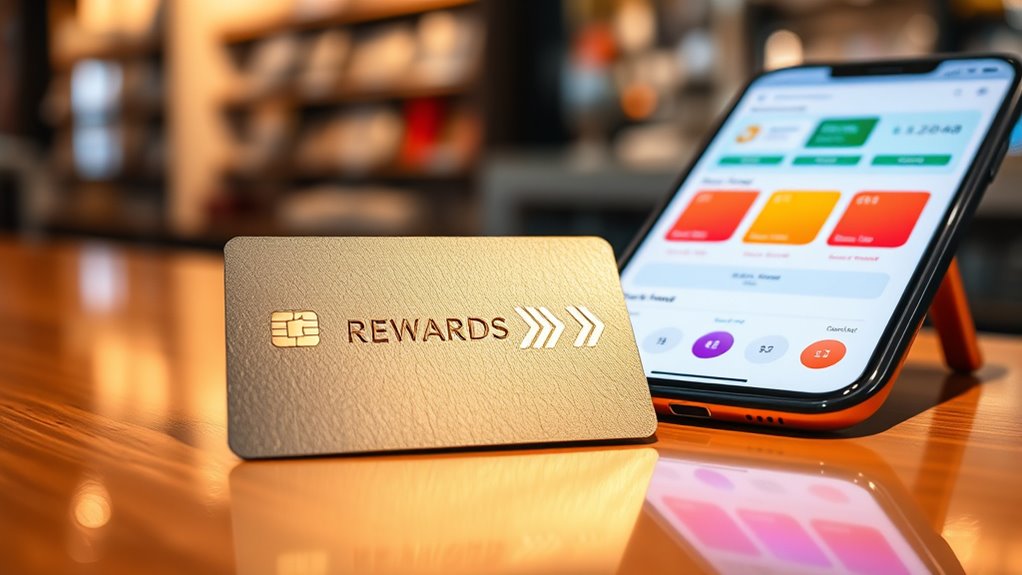
Have you ever wondered how customer credit and loyalty points work to benefit you? When you sign up for a loyalty program, you’re fundamentally entering a system designed to reward your continued business. One of the core aspects of these programs is point accrual, which allows you to accumulate points based on your purchases. Every dollar spent might earn you a certain number of points, and the more you spend, the faster your points grow. This process encourages you to keep coming back because you’re actively building towards rewards. As you accumulate points, understanding redemption strategies becomes vital. Redemption strategies are the methods you use to convert your points into rewards, whether that’s discounts, free products, or exclusive experiences. Some programs let you redeem points directly for discounts at checkout, while others require you to exchange points for gift cards or special offers. Knowing how to optimize these options can maximize the benefits you receive.
Point accrual is straightforward, but it’s also where you should pay attention to the fine print. Different programs have varying earning rates, and some may give bonus points during promotional periods or for specific actions beyond simple purchases. For instance, you might earn extra points for purchasing certain items or during special sales events. This is where strategic planning comes into play—by timing your shopping or focusing on high-earning categories, you can accelerate your point accumulation. Once you’ve accumulated enough points, redemption strategies come into focus. Some programs offer tiered rewards, meaning the more points you gather, the better the perks become. It’s wise to plan your redemptions around these tiers to get the most value out of your points. For example, saving up points for a high-value reward rather than redeeming them immediately for smaller perks can be more cost-effective.
Additionally, keep an eye on expiry dates and restrictions. Some programs may have points that expire if not used within a certain period, so staying aware of these timelines ensures you don’t lose your accrued benefits. Understanding how to maximize rewards by leveraging both accrual and redemption strategies can significantly enhance your benefits. Combining your understanding of point accrual and redemption strategies allows you to make smarter choices, turning everyday spending into tangible rewards. Whether it’s saving for a big purchase or enjoying discounts on your regular shopping, these programs are designed to benefit you directly. By actively managing your points and understanding the best ways to redeem them, you’re making the most out of your loyalty memberships. It’s all about being strategic—using your earned points wisely and timing your redemptions to maximize value. Over time, this approach transforms routine spending into a rewarding experience, making loyalty programs a powerful tool to get more from your money.

HOKEEPER Clothes Rack Heavy Duty Clothing Rack Load 650 LBS Collapsible Garment Rack with Wheels Double Rod Clothes Rack for Hanging Clothes Commercial Portable Closet Rack with Shelves 22"D*75"W*68"H
【Large size and capacity】Dimension: 75"W x 22"D x 57-68"H. The extensible horizontal rods of double rail garment rack...
As an affiliate, we earn on qualifying purchases.
Frequently Asked Questions
How Do Credit and Loyalty Points Impact Overall Company Profitability?
Credit and loyalty points boost your company’s profitability by encouraging customer retention, which reduces acquisition costs. Through profitability analysis, you’ll see that loyal customers tend to spend more over time, increasing revenue. Offering incentives like points fosters stronger relationships, ensuring customers keep coming back. This strategy directly impacts your bottom line by maximizing lifetime value and creating a steady income stream, making your business more profitable in the long run.
What Legal Considerations Are Involved in Managing Customer Credit Programs?
Managing customer credit programs is like walking a tightrope—you must balance legal compliance and data privacy carefully. You’re responsible for ensuring your program adheres to laws like the GDPR or CCPA, safeguarding customer information. Stay updated on regulations, obtain clear consent, and implement secure data practices. Failing to do so could lead to legal penalties, damaging your reputation. Always prioritize transparency and respect customer privacy in your credit management strategies.
How Can Businesses Prevent Misuse of Loyalty Points and Credit Systems?
You can prevent misuse of loyalty points and credit systems by implementing robust fraud prevention measures, like monitoring transactions for suspicious activity. Additionally, guarantee program transparency by clearly communicating rules, earning, and redemption processes to customers. Regular audits and secure authentication methods help detect and deter abuse. Educate your staff on fraud risks, and update your systems consistently to adapt to new threats, safeguarding your program’s integrity.
What Are the Best Practices for Communicating Loyalty Program Benefits?
To effectively communicate loyalty program benefits, you should use clear visual communication like infographics and personalized messages that resonate with your customers. Incorporate personalization strategies by tailoring messages based on purchase history and preferences. Keep your communication simple, highlighting key benefits upfront, and use engaging visuals to capture attention. Regular updates and reminders reinforce value, ensuring your customers understand how they can maximize their loyalty rewards and stay motivated to participate.
How Do Customer Credit and Loyalty Points Influence Consumer Purchasing Behavior?
You’re likely to buy more when customer credit and loyalty points influence your behavior, as they trigger emotional engagement and a sense of reward. Redemption strategies, like offering easy-to-understand options or exclusive rewards, encourage you to keep returning. These incentives boost your loyalty by making you feel valued, which motivates frequent purchases and strengthens your connection to the brand.

Sywhitta Double Rod Clothing Garment Rack, Rolling Clothes Organizer on Wheels for Hanging Clothes, Easy to Assemble, Adjustable, Black
【High-Quality Materials】- The clothes rack are made of high quality metal materials, which are strong, not easy to...
As an affiliate, we earn on qualifying purchases.
Conclusion
Think of loyalty programs like planting a seed; with consistent care and rewards, it grows into a strong, lasting relationship. For example, one customer’s repeated points accumulation turned into a free flight, solidifying their loyalty. Studies show that customers who earn and redeem points are 60% more likely to stay with a brand. By offering these incentives, you’re watering that seed, ensuring your customers stick around and flourish in your business garden.

Fishat Stand Portable Black Double Rods Garment Clothes Rack with Rolling and Lockable Wheels Mobile, 48" W x 15" D x 67" H, Metal Simple Hanging Clothes with 2 Hook
Extra Storage & Mobile Rack: Four 360° 3 Inch Large wheels for easier mobility, portable clothes rack adds...
As an affiliate, we earn on qualifying purchases.

Bonsaii Paper Shredder for Home Use, 3.4 Gal Wastebasket, 6 Sheet Crosscut Paper Credit Cards, Staples, and Clips Shredder for Home Office Use, Portable Handle Design (C237-B New Version)
【Cross Cut & Credit Card Paper Shredder】The cross cut shredder shreds paper into 5x14mm particles, achieving P-4 level...
As an affiliate, we earn on qualifying purchases.