
To effectively manage chargebacks, you should implement strong prevention measures like fraud detection tools and verifying customer details for high-value transactions. Focus on clear communication and timely responses to customer inquiries, offering solutions such as refunds to prevent disputes from escalating. Keep detailed records of transactions and interactions as strong evidence during disputes. Combining proactive prevention with professional, prompt responses helps protect your business—exploring these strategies further can give you even more control over chargeback issues.
Key Takeaways
- Implement robust fraud detection tools to identify suspicious transactions before they result in chargebacks.
- Maintain detailed transaction records, including correspondence and delivery proof, for effective dispute responses.
- Communicate promptly and professionally with customers to clarify issues and offer solutions like refunds or replacements.
- Verify customer details during transactions, especially for high-value purchases, to prevent unauthorized use.
- Educate staff on common fraud schemes and best practices to enhance early detection and prevent disputes.

Chargebacks can be a costly challenge for merchants, but understanding how to prevent and respond to them is essential for protecting your business. When it comes to reducing chargebacks, one of the most effective strategies is investing in robust fraud detection systems. These tools analyze transaction patterns, flag suspicious activity, and help you identify potential fraudulent charges before they reach your customers. By catching fraud early, you can intervene and prevent unnecessary disputes, saving your business time and money.
However, even with advanced fraud detection, some chargebacks will still happen. That’s why clear and proactive customer communication is vital. When a customer contacts you about a problem, respond promptly and professionally. Explain the situation clearly and offer solutions, such as refunds or account reviews, to resolve issues quickly. Keeping your communication transparent can help prevent disputes from escalating into formal chargebacks. It also fosters trust and demonstrates that you value customer satisfaction, which can reduce the likelihood of negative feedback or claims that lead to chargebacks.
To further minimize chargebacks, you should implement thorough verification processes during transactions. Confirm customer details, especially for high-value purchases, and ensure that billing information matches the cardholder’s records. This reduces the chance of unauthorized use and fraudulent transactions that often result in chargebacks. Educating your staff about common fraud schemes and best practices also plays a crucial role in early detection. The more aware you are of potential risks, the better you can act swiftly to prevent disputes from turning into chargebacks.
Another key aspect is maintaining detailed records of each transaction, including correspondence, delivery confirmations, and any relevant communication. When a dispute arises, having comprehensive documentation allows you to respond effectively to chargeback claims. Many processors require evidence such as signed delivery receipts or proof of customer approval to challenge illegitimate chargebacks successfully. Incorporating vetted Halloween product reviews can also provide insights into popular and trusted items, reducing the risk of issues related to product quality or customer expectations.
Finally, foster strong customer service practices. Being accessible and responsive creates a positive experience that can deter fraudulent claims. When customers feel heard and valued, they’re less likely to dispute charges unfairly. Remember, prevention is always better than response. By combining advanced fraud detection, transparent customer communication, and diligent record-keeping, you set up multiple layers of defense that substantially reduce the risk of chargebacks impacting your business.
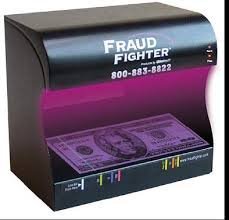
Fraud Fighter Counterfeit Dectection Scanner UV-16
Counterfeit Detection Scanner
As an affiliate, we earn on qualifying purchases.
As an affiliate, we earn on qualifying purchases.
Frequently Asked Questions
How Can I Identify Potential Fraudulent Chargebacks Early?
You can identify potential fraudulent chargebacks early through effective fraud detection and transaction monitoring. Keep an eye on transactions that seem unusual, such as large amounts, multiple charges in a short time, or mismatched billing info. Use automated tools to flag suspicious activity. Regularly review your transactions to spot patterns indicating fraud, enabling you to act swiftly and reduce the risk of chargebacks.
What Legal Options Are Available After a Chargeback Dispute?
Once you face a chargeback dispute, you have legal remedies available, such as filing a lawsuit or seeking arbitration through dispute resolution processes. You can also challenge the chargeback with evidence, demonstrating the validity of the transaction. Consulting a legal professional can help you understand your options and develop a strategy to protect your business rights, ensuring you navigate the dispute effectively and minimize financial impacts.
How Do International Transactions Affect Chargeback Risks?
International transactions can suddenly increase your chargeback risks, especially when currency fluctuations alter transaction amounts or cross border regulations complicate dispute processes. You might not realize how these factors influence your liability until a chargeback occurs. Staying vigilant means monitoring exchange rates and understanding regional rules. By doing so, you can better prepare for potential disputes, minimize losses, and protect your business from unexpected financial setbacks.
What Impact Do Chargebacks Have on My Merchant Account?
Chargebacks can notably impact your merchant account by increasing chargeback fees and threatening your account stability. When you face frequent chargebacks, payment processors may view your account as risky, leading to higher fees or even account suspension. To protect your business, monitor transactions carefully, respond promptly to disputes, and maintain clear records, ensuring your account remains stable and minimizing financial losses from chargeback-related issues.
Are There Industry-Specific Chargeback Prevention Strategies?
Sure, industry-specific chargeback prevention strategies are a must. You’d think following industry trends and best practices would be obvious, right? But surprisingly, many overlook tailored approaches. By understanding your customers’ behaviors and adjusting your policies accordingly, you reduce disputes. Whether you’re in retail or digital services, aligning your fraud prevention and customer communication with industry standards keeps chargebacks at bay and your merchant account healthy.

Accounting Ledger: A Comprehensive Record-Keeping Tool for Financial Transactions
As an affiliate, we earn on qualifying purchases.
As an affiliate, we earn on qualifying purchases.
Conclusion
By staying proactive with clear communication, diligent record-keeping, and swift response, you can effectively prevent chargebacks and handle them if they arise. Think of it as having your own modern-day knight’s armor against disputes, even if the dragons of fraud still lurk. Remember, a well-prepared strategy is your best weapon—so don’t wait for your ship to sail before you act. Stay vigilant, and you’ll keep your business sailing smoothly through choppy waters.

EBAY GENIUS: The Complete ebay e commerce master Guide 2024 – 2025, How to Start Selling on eBay for Beginners, Grow Your Store, Maximize Profits, and Build a Full-Time eBay Business
As an affiliate, we earn on qualifying purchases.
As an affiliate, we earn on qualifying purchases.
chargeback response management software
As an affiliate, we earn on qualifying purchases.
As an affiliate, we earn on qualifying purchases.