
📊 Full opportunity report: AI Calls Bring A Regular Wellness Check-In To Aging In Place on IdeaNavigator AI — validation score, market gap, and execution plan.

Get business pricing on office and shipping supplies
- Business-only prices and quantity discounts
- Tax-exempt purchasing
- Multiple users, one account, clear invoices
TL;DR
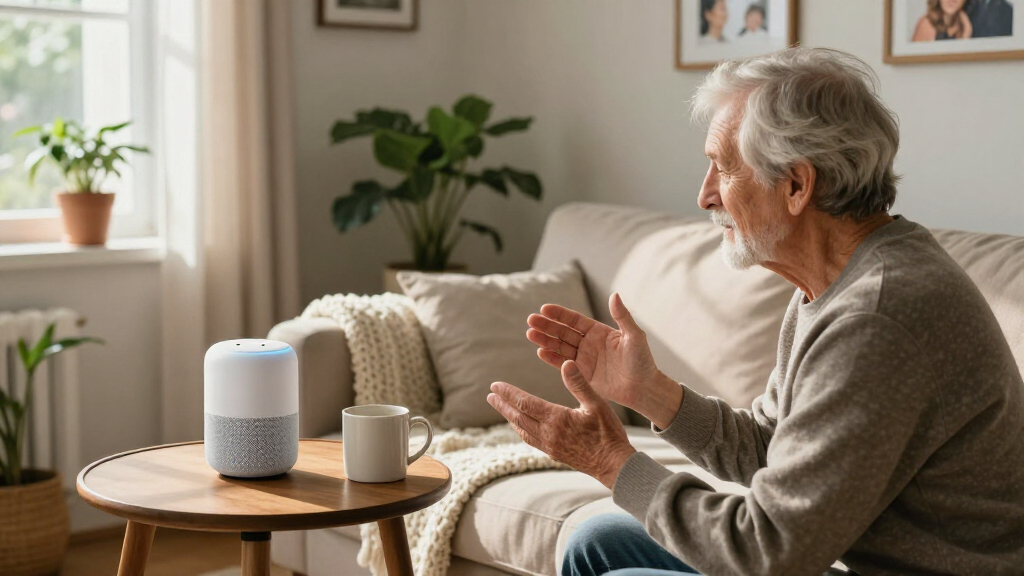
IdeaNavigator AI has proposed testing scheduled AI phone calls as daily wellness check-ins for seniors living alone, with text updates for an adult child. The proposal calls for a three-week pilot involving 15 senior-and-family pairs; no trial results, operating service or evidence of effectiveness are provided.
IdeaNavigator AI has proposed a three-week test of daily automated phone calls that ask seniors living alone a few wellness questions and send an adult child a text if a call is missed or concerning. The concept is aimed at families whose older relatives live independently in another city, but it is a pilot proposal, not a reported launched service or a proven safety system.
The proposed minimum product would place a scheduled daily call to a senior’s landline or mobile phone. The automated caller would ask a short set of wellness questions, then send the adult child either a simple all-clear message or an alert if the senior did not answer or gave a concerning response. The proposal does not specify the questions, how answers would be assessed, or what makes a response concerning.
IdeaNavigator AI suggests testing the idea with 15 senior-and-adult-child pairs for three weeks. The proposed measures are the rate at which seniors answer calls and whether family members consider the all-clear alerts valuable enough to pay for. The concept would charge the adult child a monthly subscription per parent. No pricing, pilot participants, call-answer data, payment results or customer feedback are reported.
The stated customer is an adult child of an independent senior living alone in another city. The underlying concern is that relatives may not be able to call each day, leaving a fall, illness or difficult day unnoticed until someone checks in. The proposal frames routine calls as a way to provide a regular touchpoint; it does not claim that an automated call can detect emergencies or replace human contact.
A Routine Check, Not Emergency Care
A daily call could give geographically distant family members a regular signal about whether a senior answered, while reducing the need for relatives to personally place a call every day. For families who already worry about a parent living alone, a timely missed-call alert might prompt them to contact the senior or arrange another check. That potential benefit remains a hypothesis until the proposed test measures how families respond to alerts and whether they find them useful.
The limits matter as much as the proposed convenience. An answered call cannot establish that a person is safe for the rest of the day, and a missed call may have many explanations, including a phone left unattended or a change in routine. The proposal describes wellness check-ins, not monitoring or emergency response. It does not explain who would follow up, how quickly, or what steps would be recommended after an alert. Those details would shape whether the service offers practical reassurance or simply passes uncertainty to relatives.
For older adults, adoption would also depend on whether the calls feel welcome, understandable and easy to end or decline. A daily automated conversation touches on privacy and personal preference as well as technology. The suggested test focuses on answer rates and adult children’s willingness to pay; it does not describe how seniors’ comfort, consent or experience would be evaluated.
Products Worth Considering

Logitech MX Keys S Combo Wireless Keyboard and Mouse, Graphite

Logitech MX Mechanical Wireless Illuminated Keyboard, Tactile Quiet, Graphite

Dell XPS Tower 8960 Desktop, Intel Core i7-13700, NVIDIA GeForce RTX 4060, 16GB DDR5, 512GB SSD
As an affiliate, we earn on qualifying purchases.
The Proposed Three-Week Trial
The idea is presented as a narrow first use of voice-based AI: a short scheduled phone conversation rather than a broad system for managing care. IdeaNavigator AI says natural-sounding voice systems can now conduct such calls over landlines or mobile phones, making the approach potentially affordable at scale. That is the proposal’s rationale, not evidence here that a particular product has been built, that costs have been established, or that seniors will find the calls natural.
The suggested sequence is to recruit 15 senior-and-family pairs, make daily calls for three weeks and track two basic indicators: how often calls are answered and whether adult children would pay for the alerts. This would be an initial test of engagement and perceived value. The outline does not report a completed trial, independent evaluation or comparison with ordinary phone calls. It also does not set out a threshold for success, so the proposed measurements would need defined criteria before they could support a clear decision about expanding the service.
Safety and Consent Remain Open
No evidence is provided that a pilot has begun or that the calls can reliably identify a health problem. The proposal gives no details about the AI system, the questions it would ask, how it would interpret answers, or how it would avoid sending false alarms or missing a genuine concern. It also does not say whether alerts would be delivered immediately, what happens when a call is unanswered, or who is responsible for checking on the senior.
Other unresolved issues include senior consent and privacy, handling of call records and personal information, accessibility for people with hearing or cognitive difficulties, and support for users who speak different languages. The suggested test measures adult children’s reactions and willingness to pay, but does not explicitly include a measure of seniors’ satisfaction or the accuracy of alerts. No subscription price, business costs or evidence of demand is reported.
Pilot Results Would Test Demand
The next step described in the proposal is a three-week pilot with 15 pairs, followed by a review of answer rates and adult children’s willingness to pay for all-clear messages and alerts. No schedule, recruitment plan or launch announcement is provided. If a test proceeds, its results would help establish whether seniors answer consistently and whether families consider the service useful enough to subscribe.
Further development would also need to address how concerning responses are defined, what follow-up an alert triggers, and how seniors’ consent and experience are assessed. Until those details and trial findings are available, the concept should be understood as an early product idea rather than a validated way to monitor older adults or respond to emergencies.
Source: IdeaNavigator AI
Key Questions
Has the AI check-in service launched?
No launch is reported. IdeaNavigator AI describes a proposed product and pilot; it does not identify an operating service or completed trial.
How would the proposed calls work?
A scheduled automated phone call would ask a senior a few wellness questions. The adult child would receive a text with an all-clear or an alert if the call were missed or the answers raised concern.
What would the proposed pilot measure?
The outline proposes testing 15 senior-and-adult-child pairs over three weeks, tracking call-answer rates and whether families find the alerts worth paying for.
Would the calls replace emergency services or personal contact?
The proposal describes routine wellness check-ins, not emergency response. It does not say the calls can detect emergencies or replace direct contact and follow-up by family or care providers.
How much would a subscription cost?
No price is given. The proposed model is a monthly subscription billed to the adult child per parent, with willingness to pay identified as a pilot question.
Source: IdeaNavigator AI