
The pandemic pushed you to adapt your direct selling approach, shifting from face-to-face events to online platforms. You now rely on social media, live streams, and digital tools to connect with customers who prefer convenience and safety. This shift accelerated your use of virtual demos and personalized content, making your business more agile. If you want to understand how these changes are shaping the future of direct selling, there’s more to explore ahead.
Key Takeaways
- The pandemic accelerated digital adoption, making online platforms and social media central to direct selling strategies.
- Consumer preferences shifted toward convenience, safety, and seamless digital experiences, influencing sales approaches.
- In-person demonstrations transitioned to virtual events, live streams, and online tutorials for wider reach and engagement.
- Digital tools like CRM and virtual presentation platforms enhanced efficiency, personalization, and data-driven marketing.
- Long-term, direct selling now emphasizes omnichannel strategies, mobile-friendly content, and understanding evolving customer needs.

The COVID-19 pandemic dramatically transformed the landscape of direct selling, forcing companies and representatives to adapt quickly to new consumer behaviors and restrictions. As face-to-face interactions became limited or impossible, digital transformation became the cornerstone of survival and growth. You found yourself shifting from traditional in-person demonstrations to online platforms, leveraging social media, video calls, and e-commerce tools to connect with customers. This shift wasn’t just about maintaining sales; it fundamentally changed how consumers engage with brands and products. You quickly realized that your audience was now more comfortable browsing, shopping, and interacting in digital spaces rather than in person.
Consumer behavior changed drastically during the pandemic. Customers started valuing convenience, safety, and instant access more than ever before. You noticed that people prefer to research products online, watch reviews, and make purchases from the comfort of their homes. As a direct seller, you had to adapt your approach, emphasizing digital content that educates and engages, such as live streams, tutorials, and personalized messaging. The immediacy of social media allowed you to respond quickly to questions and feedback, building trust and loyalty in ways that traditional methods couldn’t match.
The shift in consumer behavior also meant you had to be more flexible and responsive. Customers now expect seamless online experiences—easy-to-navigate websites, quick shipping, and real-time support. You started investing more in digital tools to streamline your sales process, from CRM systems to virtual presentation platforms. This wasn’t just about replacing in-person events; it was about creating a new, integrated customer journey that aligns with how people now prefer to shop and interact.
Moreover, the pandemic accelerated the adoption of mobile devices as primary channels for shopping and communication. You found that a significant portion of your audience was engaging via smartphones, prompting you to optimize your digital content for mobile. Live selling through social media became a powerful tactic, allowing you to reach wider audiences with real-time demonstrations and personalized interactions. This digital transformation has also made it easier to analyze consumer data, track preferences, and tailor your marketing efforts more effectively.
In essence, the pandemic forced you to rethink your entire approach to direct selling. Embracing digital transformation wasn’t optional anymore; it was essential to stay relevant. As consumer behavior continues to evolve, your ability to adapt by leveraging digital tools and understanding new customer priorities will determine your success in this rapidly changing landscape. Additionally, understanding pregnancy-related health concerns can help you better connect with customers who are experiencing specific needs, such as managing symptoms or ensuring safety during their shopping experience.
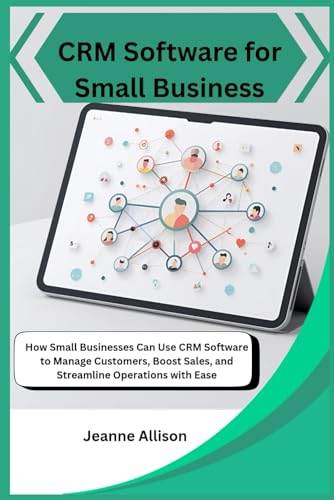
CRM Software for Small Business: How Small Businesses Can Use CRM Software to Manage Customers, Boost Sales, and Streamline Operations with Ease
As an affiliate, we earn on qualifying purchases.
As an affiliate, we earn on qualifying purchases.
Frequently Asked Questions
How Have Consumer Preferences Evolved Due to Pandemic-Related Shifts?
You’ve noticed that consumer behavior has shifted towards online shopping and personalized experiences. Your purchasing habits now favor convenience, safety, and value-driven options. You prefer direct interactions through digital platforms and seek products that align with your health and sustainability concerns. This evolution means you’re more likely to engage with brands that offer seamless, flexible buying experiences, reflecting a broader trend towards digital-first, consumer-centric approaches in today’s market.
What Technological Innovations Most Impacted Direct Selling During the Pandemic?
In a way, the pandemic gently nudged you toward embracing new tech. Digital payments simplified transactions, making purchases smoother and contactless. Virtual showcases became your go-to, allowing you to explore products from home comfortably. These innovations transformed your experience, making it easier to connect, buy, and sell without physical meetings. You now enjoy a more flexible, seamless approach to direct selling, thanks to these tech advancements.
Are There Regional Differences in How Direct Selling Adapted to Pandemic Changes?
You’ll notice regional differences in how direct selling adapted to pandemic changes, driven by regional resilience and cultural adaptation. In some areas, you might see a quick shift to digital platforms, while others rely more on home visits or community events. Cultural factors influence trust and communication styles, shaping each region’s response. Recognizing these differences helps you tailor strategies effectively, ensuring your approach resonates locally and maintains strong connections.
How Sustainable Are Pandemic-Driven Changes in the Long-Term?
You might think pandemic-driven changes won’t last, but they actually boost long-term viability by adapting to consumer preferences for convenience and digital engagement. This shift encourages stronger consumer loyalty, as customers appreciate personalized, flexible experiences. As your team continues to innovate with online platforms and flexible delivery options, you’ll see these changes become a sustainable part of your business model, strengthening your brand’s resilience over time.
What Challenges Did Direct Sellers Face in Transitioning Online?
You faced challenges in shifting online, especially with mastering virtual training and developing digital literacy. Adapting to new technologies required time and effort, often leaving you feeling overwhelmed. You needed to learn how to effectively communicate through digital channels and engage customers virtually. Balancing these skills while maintaining personal connections tested your resilience, but embracing online tools ultimately helped you stay connected and grow your business in a rapidly changing environment.

Virtual Presentations Made Simple: Practical tips for effective web presentations
As an affiliate, we earn on qualifying purchases.
As an affiliate, we earn on qualifying purchases.
Conclusion
You’ve seen how pandemic-era shifts boosted online sales and personalized experiences in direct selling. An interesting stat shows that 70% of consumers now prefer purchasing from direct sellers they trust, highlighting the importance of authentic relationships. As these changes stick around, embracing digital tools and genuine connections will be key to thriving. Stay adaptable, and you’ll continue to succeed in this evolving landscape. The future of direct selling depends on how well you embrace these new trends.

ALSO GO Podcast Equipment Bundle, Podcast Equipment with BM-800 Microphone(Gold) & F998 Sound Card, Recording Studio Equipment for Podcasting, Singing, Gaming, and Live Streaming YouTube Tiktok
All-in-One Professional Podcast Equipment Bundle: Complete podcast equipment bundle includes audio interface mixer, microphones, microphone boom arms, 3.5mm…
As an affiliate, we earn on qualifying purchases.
As an affiliate, we earn on qualifying purchases.
MOBILE E-COMMERCE: Creating a mobile friendly e-commerce website
As an affiliate, we earn on qualifying purchases.
As an affiliate, we earn on qualifying purchases.