📊 Full opportunity report: How Parts Alignment May Affect Toyota, Nissan, And Honda Retailers on IdeaNavigator AI — validation score, market gap, and execution plan.

Get business pricing on office and shipping supplies
- Business-only prices and quantity discounts
- Tax-exempt purchasing
- Multiple users, one account, clear invoices
TL;DR
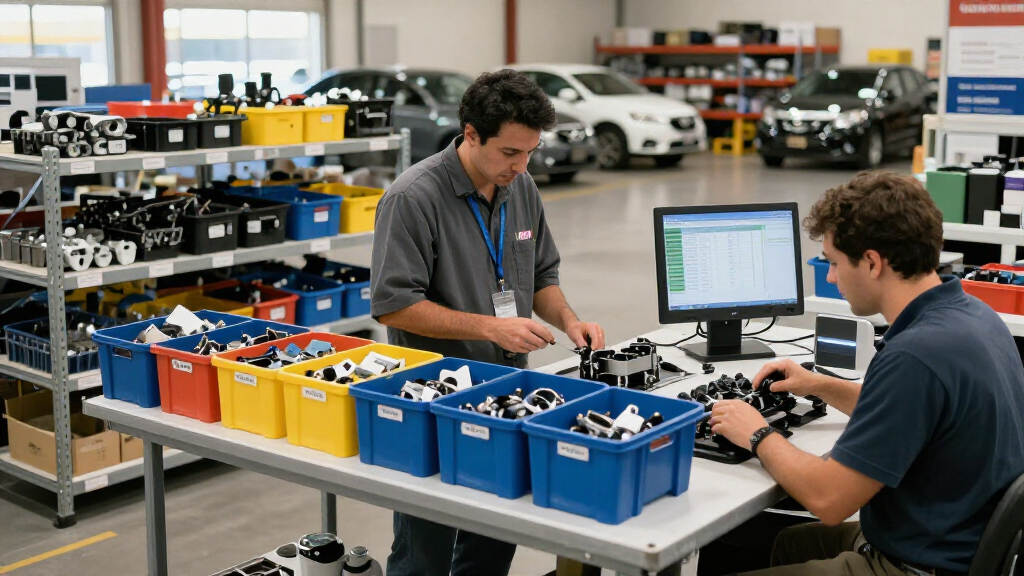
A business-opportunity brief proposes monitoring a reported development involving Toyota, Nissan and Honda standardizing parts to reduce costs. It offers no confirmation from the automakers, details of the plan, or evidence of effects on retailers, so independent dealers and repair shops should treat the claim as unverified.
Toyota, Nissan and Honda may standardize some parts to lower costs, a development flagged in an IdeaNavigator AI business-opportunity brief. The brief does not cite an announcement by the automakers or specify which parts, markets or timetable are involved, leaving the potential effect on independent dealerships and repair shops unconfirmed.
The brief frames the reported parts alignment as a signal that an independent dealership owner or sales lead may want to track. Its central point is not a confirmed change to vehicle supply or repair operations, but the possibility that a shared or standardized parts strategy could matter to businesses buying, selling or servicing vehicles from the three manufacturers.
No parts list, cost estimate, implementation date, affected vehicle models or participating business units is given. The brief also does not explain whether the reported standardization would apply across all three automakers, to selected components, or only to a particular market. Without those details, retailers cannot determine whether procurement, inventory, service planning or customer pricing would change.
IdeaNavigator AI presents the item as an example for a proposed automotive retail signal monitor. The suggested product would follow news and other feeds for vehicle launches, recalls and regulation, then produce short, role-specific summaries. The brief says a Hacker News signal score of 88 out of 100 surfaced the item; it does not provide the scoring method, comparison group or evidence that retailers acted on it.
How Parts Alignment May Affect Toyota, Nissan, and Honda Retailers
A brief flags a reported parts-standardization development, but provides no automaker confirmation or program details. Retailers should treat the claim as unverified.
What is reported
The IdeaNavigator AI brief says the three automakers may standardize some parts to reduce costs.
- Parts alignment may be considered
- Cost reduction is the stated rationale
- No automaker announcement cited
- No parts, models, markets, or timetable specified
What retailers can conclude
The brief provides no evidence of changes to retailer costs, supply, or service operations.
No order change yet
A headline alone is not enough to justify changing inventory or supplier plans.
Effects remain unknown
Savings, parts availability, and repair times are not established.
What to verify
Reliable details would show whether any confirmed plan applies to the brands, vehicles, and parts a business handles.
Check for announcements or documentation from the automakers or relevant suppliers.
Identify components, models, markets, timing, and expected effects.
Review supplier information before changing stock, service plans, or customer quotes.
Potential Effects on Retail Operations
If the automakers do standardize components, the consequences for retailers would depend on what changes and how the companies implement them. A common part could, in principle, affect purchasing or service workflows, but the brief supplies no evidence of lower prices, improved availability or reduced repair times. Those outcomes should not be assumed from a stated cost-reduction goal.
For independent businesses, the immediate practical issue is early, reliable information. Dealers and shops need to know whether a development affects the vehicles they handle, the parts they stock and the service work they perform. A confirmed change could prompt them to check supplier information or review inventory; an unverified headline alone is not enough to justify changing orders or customer quotes.
The proposal also points to a broader information problem: industry announcements, recalls and regulatory changes appear across many channels. A focused monitor could save time if its alerts are accurate and relevant to a specific business. But the brief describes a product idea, not a validated service, and reports no customer testing, subscription demand or measured savings.
Products Worth Considering

Canon SELPHY QX20 Wireless Compact Photo Printer Bundle (Dark Gray)

Canon IVY 2 Mini Photo Printer Bundle with 110 ZINK Sticky-Back Prints

Vari ComfortEdge 48×30 Inch Adjustable Electric Standing Desk
As an affiliate, we earn on qualifying purchases.
A Proposed Retail Signal Monitor
The IdeaNavigator AI brief is organized around a proposed monitoring service for automotive retail. Its intended users are owners or sales leads at independent dealerships and repair shops, who may not have time to track scattered coverage, forums and filings for developments that affect their work.
The suggested minimum product would monitor Hacker News and similar feeds for vehicle launches, recalls and regulation, filter items for the intended user, and turn relevant developments into a short explanation of what changed, why it matters and what a business might do. The parts-standardization item is offered as one example of the type of alert such a service might surface; it is not presented with supporting reporting about an automaker announcement.
To test the idea, the brief proposes delivering this item and two other automotive developments to five people matching the target customer profile, then measuring whether any recipient changes a decision or forwards a brief to a colleague. That is a proposed validation exercise, not a completed test. No results are reported.
Key Details Still Unverified
The available brief does not identify the original announcement, date, document or reporting behind the claim that Toyota, Nissan and Honda will standardize parts. It is not clear whether the automakers have agreed to a joint initiative, whether the claim refers to separate efforts, or whether a plan has been approved at all.
There is also no information on the components or models involved, the regions covered, the expected savings, or whether any change would affect independent retailers rather than the manufacturers’ own operations or suppliers. No company comment, retailer response or independent confirmation is included. Until those points are established, the headline should be treated as a reported but unverified development, not a confirmed operational change.
Confirmation and Retailer Testing
The next reporting step is to establish whether Toyota, Nissan and Honda have announced or documented a parts-standardization plan and, if so, obtain details on scope, timing and expected effects. Statements from the automakers or relevant suppliers would help distinguish a shared initiative from a general cost-cutting idea. Retailers would then need to check whether any confirmed changes apply to the brands, vehicles and parts they handle.
Separately, IdeaNavigator AI proposes testing its monitoring concept with five independent dealership or shop decision-makers using this brief and two additional automotive items. The proposed test would track whether readers change a business decision or share an alert. No test has been reported as completed, and the brief does not say when a product may launch.
Source: IdeaNavigator AI
Key Questions
Have Toyota, Nissan and Honda confirmed a parts-standardization plan?
The IdeaNavigator AI brief does not include a company announcement or other confirmation. The claim should be treated as unverified based on the details provided.
Which parts or vehicles could be affected?
No components, models or vehicle lines are identified. The geographic scope and timing are also unspecified.
Could parts standardization reduce costs for independent shops?
That cannot be established from the brief. It states a cost-reduction rationale but gives no savings estimate or evidence about effects on independent retailers, suppliers or customers.
What is the proposed signal-monitor product?
It is a proposed service that would track automotive news, recalls and regulation, filter for independent retailers, and summarize relevant items. The brief describes an idea and a proposed customer test, not a launched or validated product.
Source: IdeaNavigator AI