
TL;DR

Get business pricing on office and shipping supplies
- Business-only prices and quantity discounts
- Tax-exempt purchasing
- Multiple users, one account, clear invoices
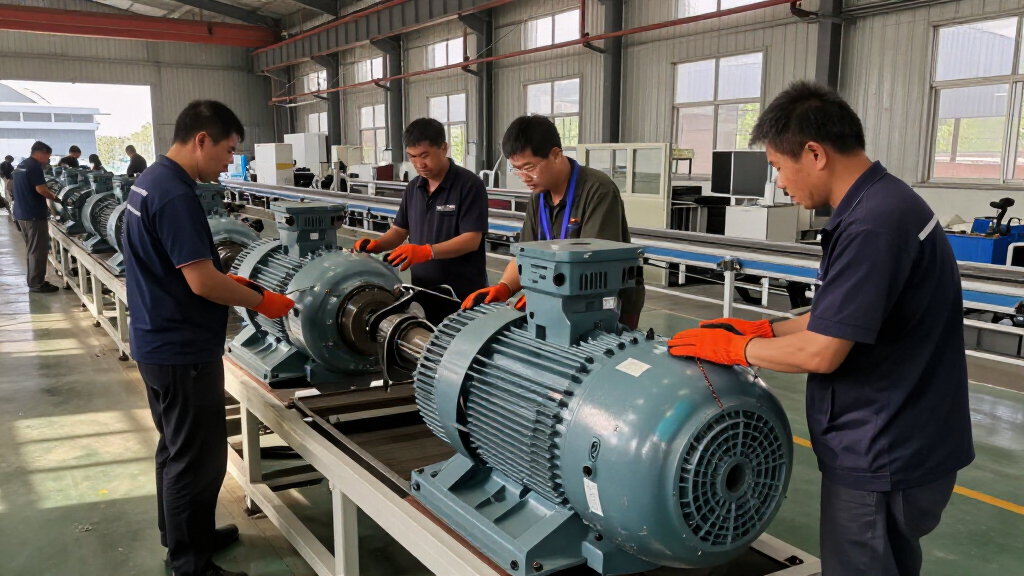
Mercedes-Benz has initiated large-scale manufacturing of its electric axial flux motors, aiming to improve EV performance and production efficiency. This development signals a major shift in their electric vehicle strategy.
Mercedes-Benz has begun large-scale production of its electric axial flux motors, a move that could significantly enhance the efficiency and performance of its electric vehicles. This development is confirmed by the company and marks a major milestone in their EV manufacturing strategy, emphasizing their focus on advanced motor technology to compete in the electric vehicle market.
Mercedes-Benz announced the start of mass production of its electric axial flux motors at its manufacturing facilities. These motors are designed to deliver higher power density and improved efficiency compared to traditional radial flux motors, offering potential benefits for vehicle range and performance. The company has indicated that this production ramp-up aligns with its broader goal to electrify its vehicle lineup and meet stricter emissions standards.
Sources familiar with the company’s plans confirm that the new motors are intended for upcoming electric models, with initial deployment expected in Mercedes-Benz’s flagship EVs within the next year. The company did not specify exact production volumes or timelines but emphasized that this move is part of a strategic shift toward advanced electric drivetrain components.
Industry analysts note that this development positions Mercedes-Benz competitively against other premium automakers investing heavily in innovative motor technologies. It also reflects a broader industry trend toward axial flux motors, which are increasingly viewed as a key technology for next-generation EVs.
Implications for Mercedes-Benz’s EV Strategy
The start of large-scale production of electric axial flux motors signifies a strategic move by Mercedes-Benz to enhance its electric vehicle offerings. These motors promise higher efficiency, better power output, and improved vehicle range, which are critical factors in the competitive EV market. This development could give Mercedes-Benz an edge in delivering high-performance electric vehicles that meet consumer expectations and regulatory standards.
Furthermore, this move underscores the company’s commitment to technological innovation in electric drivetrains, potentially influencing industry standards and encouraging competitors to accelerate their own motor development efforts. It also signals a shift toward more specialized, high-efficiency components in luxury and performance EV segments, aligning with global trends toward electrification and sustainability.
electric axial flux motor for cars
As an affiliate, we earn on qualifying purchases.
As an affiliate, we earn on qualifying purchases.
Background on Mercedes-Benz’s EV Motor Development
Mercedes-Benz has been investing in electric vehicle technology for several years, with plans to electrify its entire lineup by 2030. Prior efforts focused on developing efficient radial flux motors, but the company has increasingly explored axial flux designs for their compact size and higher power density. Several prototypes and pilot projects have been tested over the past two years, with industry insiders noting a shift toward mass production of these advanced motors.
The move to large-scale manufacturing follows industry trends where automakers seek to reduce costs and improve vehicle performance through innovation in electric motor design. Competitors like Tesla, BMW, and Audi have also invested in axial flux motor technology, making Mercedes-Benz’s latest development part of a broader industry evolution.
While the company has not disclosed specific technical details or production volumes, the announcement aligns with Mercedes-Benz’s broader strategy to lead in luxury EVs with cutting-edge technology.
“We are excited to announce the commencement of large-scale production of our electric axial flux motors, which will play a key role in our future electric vehicles.”
— Mercedes-Benz spokesperson
Mercedes-Benz electric vehicle motor
As an affiliate, we earn on qualifying purchases.
As an affiliate, we earn on qualifying purchases.
Unconfirmed Details About Production Scale and Deployment
It is not yet clear how many motors Mercedes-Benz plans to produce initially or the specific models that will feature these motors. The company has not provided detailed timelines for full deployment across its EV lineup, nor confirmed technical specifications or production capacity figures.
Further information is expected in upcoming company reports or industry disclosures, but for now, these details remain undisclosed.
As an affiliate, we earn on qualifying purchases.
Next Steps in Mercedes-Benz’s Electric Motor Rollout
Mercedes-Benz is likely to reveal more technical details and production milestones in its upcoming quarterly reports. The company may also showcase new electric models featuring the axial flux motors at automotive expos or press events within the next 12 months. Industry observers will be watching for indications of the motors’ impact on vehicle performance and sales figures.
Additionally, competitors are expected to accelerate their own development efforts in axial flux motor technology, making this a pivotal period for electric drivetrain innovation.
As an affiliate, we earn on qualifying purchases.
Key Questions
What are axial flux motors and how do they differ from traditional motors?
Axial flux motors have a design where the magnetic flux runs parallel to the axis of rotation, allowing for a more compact and efficient motor. They typically offer higher power density and better performance in a smaller size compared to traditional radial flux motors.
How will this development affect Mercedes-Benz’s upcoming electric vehicles?
The new motors are expected to improve vehicle range, acceleration, and overall efficiency, giving Mercedes-Benz a competitive edge in the luxury EV market.
When will Mercedes-Benz start using these motors in their production models?
While exact timelines have not been disclosed, industry sources suggest initial deployment could occur within the next year, possibly in flagship EV models.
Does this mean Mercedes-Benz is shifting away from radial flux motors?
Not necessarily; the company is expanding its motor technology portfolio. Axial flux motors are being adopted for specific applications where their advantages are most beneficial.
What does this mean for industry competition?
This move signals a broader industry trend toward adopting axial flux motor technology, prompting competitors to accelerate their own development efforts to stay competitive.
Source: IdeaNavigator AI
Fall Picks
fall essentials
As an affiliate, we earn on qualifying purchases.