
TL;DR

Get business pricing on office and shipping supplies
- Business-only prices and quantity discounts
- Tax-exempt purchasing
- Multiple users, one account, clear invoices
At Sibos 2026, Federal Reserve Governor Christopher Waller discussed how AI could affect cross-border payments and commerce. He said AI may help with fraud screening, cybersecurity and payment routing, while autonomous shopping agents will need stronger trust mechanisms and safeguards.
Federal Reserve Governor Christopher J. Waller said artificial intelligence could help improve cross-border payment screening and routing, while warning that AI-driven cyber threats and autonomous shopping raise safety concerns. In a speech delivered at Sibos 2026 in Miami, he described agentic commerce—where AI systems make purchases for users—as an emerging development whose broader adoption will depend on trust mechanisms and safeguards.
Waller said financial firms have long used machine learning to detect payment fraud and have adopted large language models for tasks such as payment reconciliation. He described AI agents as systems that can plan and carry out multistep processes, potentially including transactions. In cross-border payments, he said, language models may improve sanctions screening and anti-money-laundering reviews by reducing false-positive alerts, allowing staff to focus on more complex cases. He cited research supporting that potential but did not provide results or a measurement in the speech excerpt.
He said AI is also relevant to cybersecurity on both sides of the threat. It may help attackers increase the volume or sophistication of cyberattacks, but could also assist defenders with threat detection, exposure management and finding software vulnerabilities. Waller argued that payment networks face an uneven task: an attacker may need to exploit one weakness, while operators must protect a broad and interconnected system.
For cross-border transfers, Waller said AI agents could help evaluate payment routes and decisions about foreign-exchange conversion and liquidity. Those systems must balance cost, speed and reliability, among other factors. He presented AI as a potential aid to such optimization, not as a proven solution or a replacement for existing payment infrastructure.
AI Could Reshape Payment Controls
Payment systems move money across institutions and jurisdictions, making screening, routing and security operational concerns with direct effects on consumers and businesses. If AI tools reduce mistaken alerts or help identify suspicious activity more effectively, payment providers could spend less time reviewing legitimate transactions and more time examining higher-risk cases. Waller framed these as potential gains; the speech does not establish that they have already been achieved at scale.
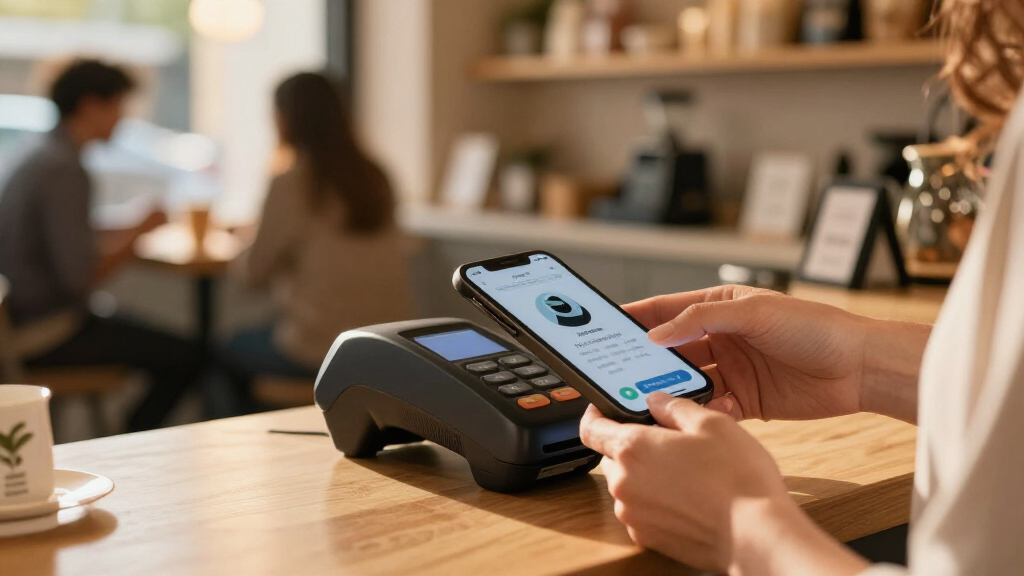
Agentic commerce could also change who initiates a purchase. In a conventional online transaction, a person selects an item and pays. With a delegated agent, software may choose and pay within limits set by the user. That could make routine purchases easier, but it also creates questions about authorization, errors and accountability. The payment industry’s response will affect whether consumers and merchants are willing to let agents transact.
Products Worth Considering

Dell UltraSharp U2725QE 27-Inch 4K UHD IPS Black Monitor

FLEXISPOT 42-Inch Electric Standing Desk Converter

Apple iPad Pro 11-inch (M5), 256GB, Wi-Fi 7, Space Black
As an affiliate, we earn on qualifying purchases.
From Payment AI to Agent Shopping
Waller said payment firms have already used AI in fraud prevention and back-office work, including reconciliation. His speech moved from those established applications to two areas with wider implications: using AI to support cross-border payment operations and allowing agents to shop and pay on behalf of consumers.
He distinguished agent-assisted commerce, where a system helps with product search but the buyer makes the decision and handles payment, from agent-delegated commerce, where the buyer grants an agent authority to make purchases under specified constraints. A pre-funded virtual card with instructions to buy groceries based on past purchases was his example of the delegated model. Waller said consumer-to-business transactions are expected to be an early use case, with assisted shopping preceding more autonomous purchasing.
Consumers could use general-purpose agents from AI companies or agents built for individual merchants, he said. Personal AI assistants may also become a route to shopping. The speech characterizes the market as being in an early phase, rather than describing widespread deployment.
“I expect LLMs to augment, rather than replace, faster, more traditional anomaly detection methods.”
— Christopher J. Waller, Federal Reserve governor
Adoption and Safeguards Remain Open
Waller did not specify when agent-delegated shopping might become common, how many consumers or merchants currently use it, or what standards would govern permissions and disputed purchases. He said the delegated model carries a higher risk of unintended purchases and requires more extensive trust mechanisms and guardrails, but the speech excerpt does not set out a specific technical or regulatory framework.
The scale of potential AI gains in sanctions screening, anti-money-laundering work and cross-border routing is also not quantified in the speech. Waller cited research on false-positive reductions without giving a figure or describing a common benchmark. The extent to which results from research will carry over to live, interconnected payment systems remains unclear.
Building Controls Before Wider Use
Waller’s speech did not announce a new Federal Reserve rule, payment product or implementation timetable. The next developments will depend on financial firms, payment providers, AI companies and merchants testing these systems and deciding how to manage permissions, security and errors. The speech points to trust mechanisms and guardrails as a prerequisite for more autonomous purchasing.
For cross-border payments, providers may continue exploring AI-assisted screening, cyber defense and routing while retaining traditional monitoring methods. Any assessment of progress will require evidence from deployed systems, including how accurately they identify risk, how they affect legitimate transactions and how reliably they operate across jurisdictions.
Key Questions
What did Christopher Waller say about AI and payments?
He said AI may help improve cross-border payment screening, cybersecurity and routing. He also discussed AI agents that can shop and pay on behalf of consumers, while stressing the need for safeguards as autonomy increases.
What is agentic commerce?
Agentic commerce is the use of AI agents to help make or carry out purchases. In an assisted model, the buyer remains in control of decisions and payment. In a delegated model, the buyer authorizes an agent to purchase within specified limits.
Are AI shopping agents already widely used?
Waller described agentic commerce as being in an early phase. His speech did not provide adoption figures or say that autonomous purchasing is widespread.
How might AI help cross-border payments?
Waller said AI could support sanctions and anti-money-laundering screening, cybersecurity and decisions about payment routes, currency conversion and liquidity. He described these as potential uses, not confirmed industry-wide results.
What remains unclear about AI agents making purchases?
The speech did not specify common rules for authorizing purchases, handling unintended transactions or resolving disputes. It also gave no timetable for broader adoption or detailed standard for the safeguards agents may need.
Source: primary