

To keep your direct sales team motivated and united, focus on building a strong team culture rooted in trust, motivation, and collaboration. Invest in sales training and leadership development that encourage ongoing learning and confidence. Celebrate milestones, recognize individual efforts, and foster camaraderie through team-building activities. Communicate clearly about your vision and goals, and empower your team members to own their roles. continuing with these strategies will help you create a thriving, motivated team that consistently delivers results.
Key Takeaways
- Foster a strong team culture through regular recognition, team-building activities, and celebrating individual and group successes.
- Invest in ongoing sales training and leadership development to boost confidence and promote continuous growth.
- Lead by example with transparent communication, sharing vision, and encouraging open dialogue to build trust and engagement.
- Empower team members with ownership opportunities, accountability, and support to strengthen commitment and motivation.
- Create a positive environment that values camaraderie, collaboration, and a shared purpose to keep the team united and motivated.

Creating a strong team culture is essential for success in direct sales, as it fosters motivation, trust, and collaboration among team members. When your team feels connected and valued, they’re more likely to stay committed, perform at their best, and contribute to a positive environment. To build this culture, you need to focus on foundational elements like sales training and leadership development. These components are indispensable because they equip your team with the skills and confidence needed to succeed, while also fostering a shared sense of purpose.
A strong team culture boosts motivation, trust, and collaboration, driving success in direct sales.
Effective sales training isn’t just about teaching product knowledge or sales techniques. It’s about creating ongoing opportunities for your team to learn, grow, and refine their skills. Consistent training sessions, whether in person or virtual, help reinforce your team’s confidence and competence. When team members see that you’re invested in their development, they’re more motivated to put in effort. Incorporate real-world scenarios, role-playing, and feedback to make the training practical and engaging. This not only boosts individual performance but also cultivates a culture of continuous improvement. Additionally, understanding the importance of color accuracy in visual presentations can enhance how your team showcases products and engages clients.
Leadership development plays a critical role in fostering a unified team. As a leader, your attitude, communication style, and actions set the tone for the entire group. Invest in developing your leadership skills, so you can inspire, motivate, and guide your team effectively. Encourage open dialogue, listen to their concerns, and celebrate their successes. When your team sees that you genuinely care about their growth, they’re more likely to trust you and feel committed to the collective goals. Promote leadership at all levels by empowering team members to take ownership of their roles, which fosters accountability and a sense of shared responsibility.
Building a strong team culture also involves recognizing achievements and creating a supportive environment. Celebrate milestones, big or small, and highlight individual contributions. Recognize efforts publicly to boost morale and reinforce positive behaviors. Additionally, foster a sense of camaraderie through team-building activities, both formal and informal. When team members feel connected beyond work tasks, collaboration naturally improves.
Lastly, keep communication transparent and consistent. Share your vision and goals regularly, and invite input from your team. When everyone understands the bigger picture and their role within it, motivation and trust flourish. By prioritizing ongoing sales training, leadership development, recognition, and open communication, you’ll cultivate a resilient, motivated, and united team ready to succeed in the competitive world of direct sales.

Quick Team-Building Activities for Busy Managers: 50 Exercises That Get Results in Just 15 Minutes
As an affiliate, we earn on qualifying purchases.
As an affiliate, we earn on qualifying purchases.
Frequently Asked Questions
How Do I Handle Conflicts Within My Direct Sales Team?
When conflicts arise in your direct sales team, address them promptly using team conflict resolution techniques. Encourage open communication and listen actively to understand each person’s perspective. Use peer mediation to facilitate a fair discussion and find common ground. By fostering a respectful environment where everyone feels heard, you’ll strengthen team unity, boost morale, and prevent conflicts from escalating. Your proactive approach keeps the team motivated and working toward shared goals.
What Are Effective Ways to Recognize Individual Team Members?
You can recognize individual team members effectively by offering personalized recognition that highlights their unique achievements. Celebrate their successes publicly to boost morale, and encourage peer appreciation, where teammates acknowledge each other’s contributions. This approach fosters a supportive environment, motivates continued effort, and strengthens team bonds. By actively showing appreciation tailored to each person, you create a positive culture that keeps everyone engaged and motivated to excel.
How Can I Foster Diversity and Inclusion in My Team Culture?
You can foster diversity and inclusion by practicing cultural awareness and practicing inclusive leadership. Actively listen to your team members’ perspectives, celebrate different backgrounds, and promote open dialogue. Set clear expectations for respectful interactions and provide diversity training. By demonstrating genuine respect and understanding, you create an environment where everyone feels valued, motivated, and united, strengthening your team’s overall culture and success.
What Technology Tools Support Team Cohesion and Communication?
You can support team cohesion and communication by using virtual check-ins and chat platforms like Slack or Microsoft Teams. These tools keep everyone connected, foster real-time conversations, and promote transparency. Regular virtual check-ins help your team stay aligned, share updates, and build camaraderie. By consistently utilizing these platforms, you create an engaging environment where team members feel valued, supported, and motivated to work together effectively.
How Do I Maintain Motivation During Slow Sales Periods?
When sales slow down, you can stay motivated by embracing the challenge with strong goal setting and motivational strategies. Recognize that setbacks are temporary, and use this time to refresh your mindset, celebrate small wins, and reconnect with your team’s purpose. Keep inspiring your team by sharing success stories and setting new goals. This proactive approach keeps everyone focused and energized, turning slow periods into opportunities for growth and renewed enthusiasm.

MBM 80 Leadership Cards – Emotional Intelligence Development & Confidence-Building Coaching Tools | Conversation Starters for Developing Leadership Skills & Team Building Activities
FOR LINE MANAGERS NEW TO COACHING – These leadership coaching cards are designed for line managers who recognize…
As an affiliate, we earn on qualifying purchases.
As an affiliate, we earn on qualifying purchases.
Conclusion
Building team culture in direct sales isn’t just about goals; it’s about growth. It’s about trust, teamwork, and shared success. It’s about celebrating wins, learning from setbacks, and supporting one another. By fostering connection, encouraging collaboration, and inspiring enthusiasm, you create a team that thrives. When you prioritize these elements, you build more than a team—you build a community. And in that community, motivation rises, unity strengthens, and success becomes inevitable.

SHIP NEXT DAY, Custom Award Trophy – Personalized with Company Logo & Employee Name, Corporate Recognition Award for Team, Leadership, Sales Achievement, Retirement Gift, Office Desk Display
Corporate Recognition Award Trophy — Designed for professional corporate recognition, this personalized acrylic award trophy is suitable for…
As an affiliate, we earn on qualifying purchases.
As an affiliate, we earn on qualifying purchases.
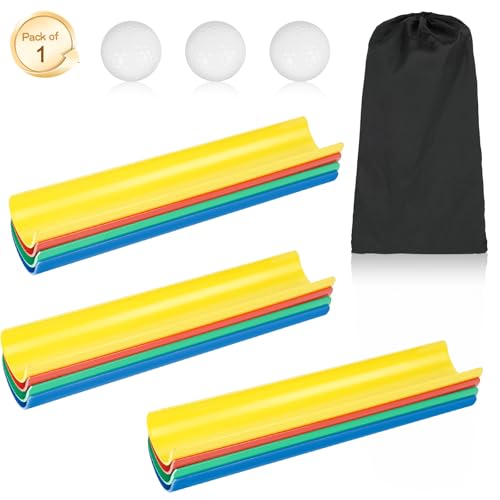
Yanacc Team Building Games Activities, Pipeline Kit Group Games, Ice Breaker, Teamwork Games, Field Day Outdoor Youth Sports
Team Building Games Set Package: To satisfy your cooperative team gaming needs.
As an affiliate, we earn on qualifying purchases.
As an affiliate, we earn on qualifying purchases.