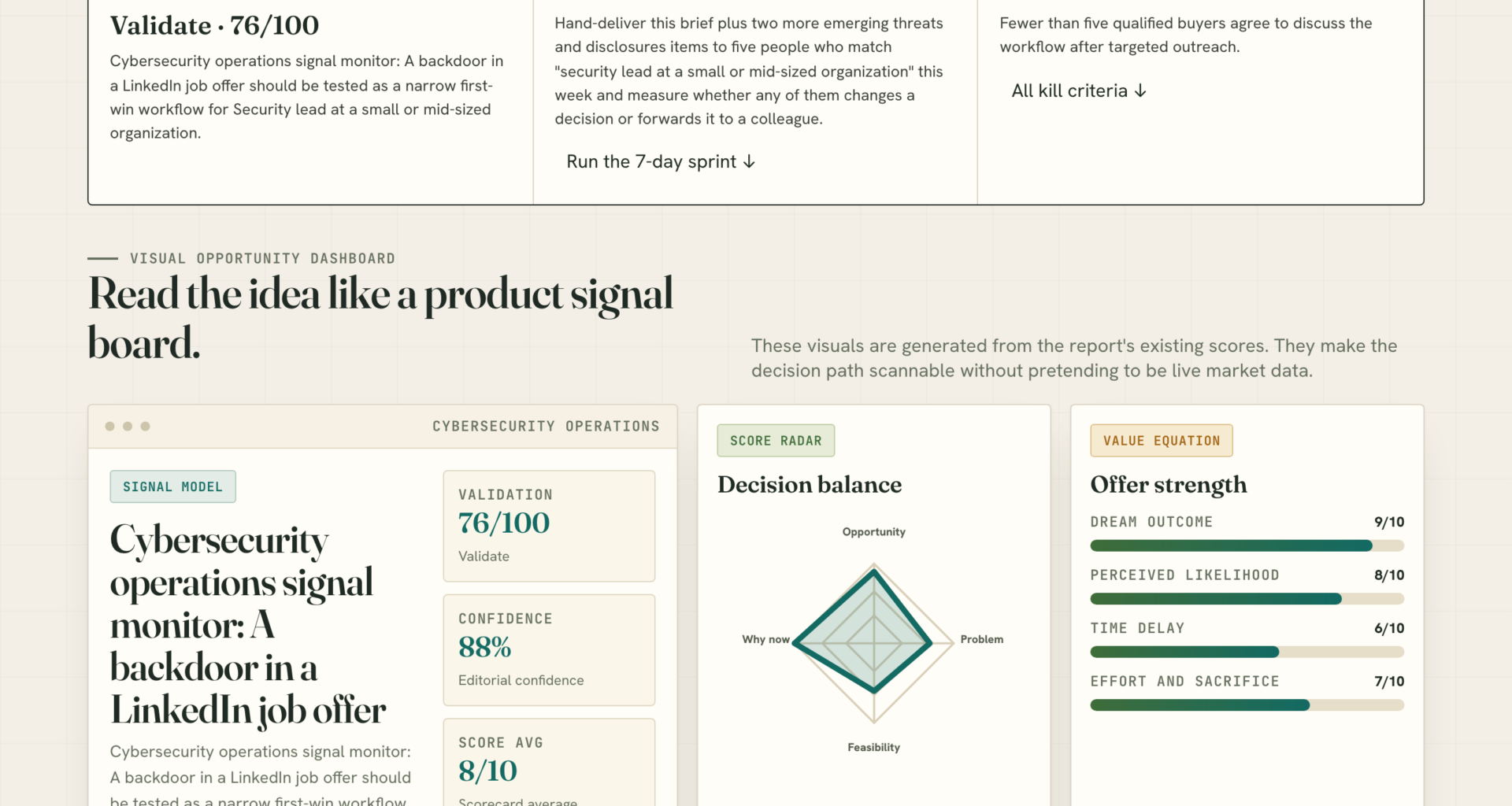

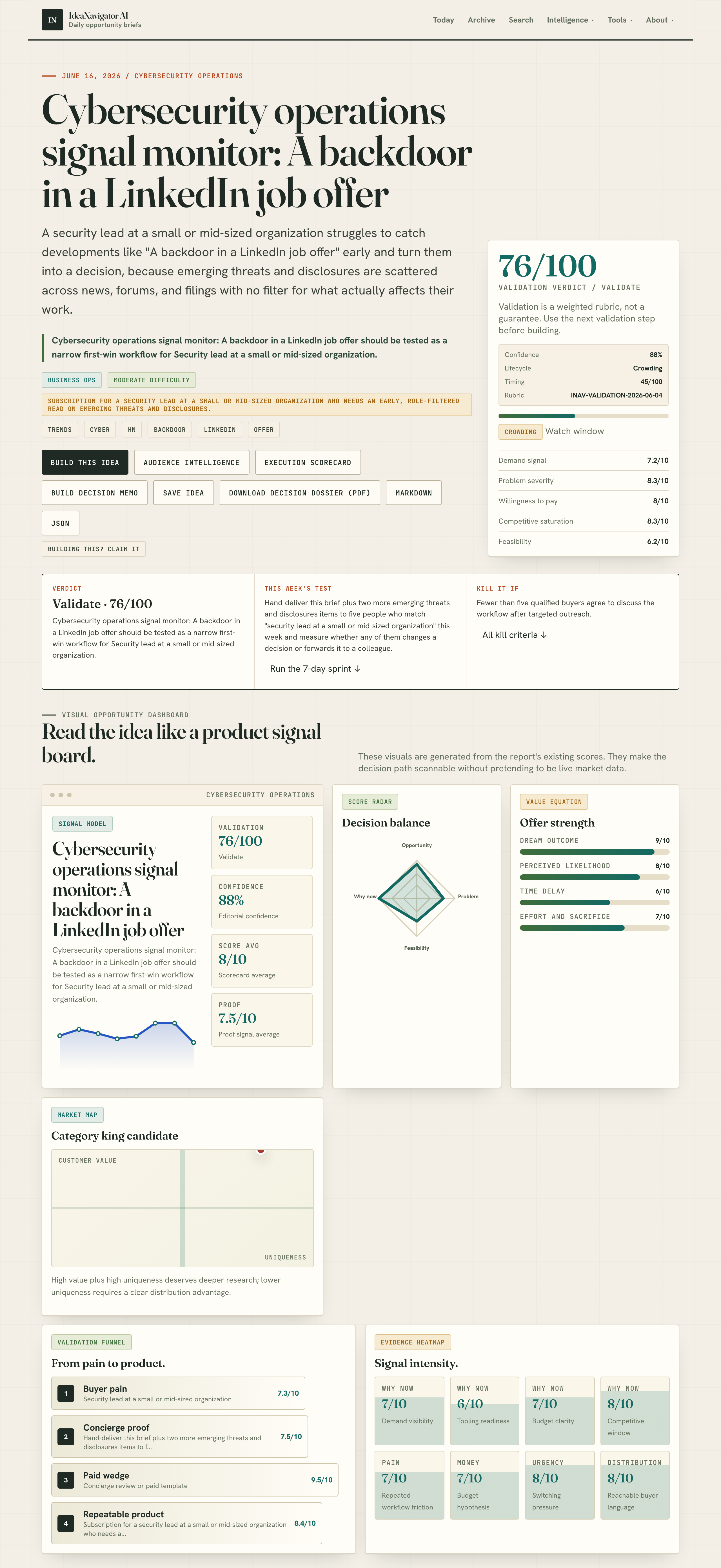
📊 Full opportunity report: Cybersecurity operations signal monitor: A backdoor in a LinkedIn job offer on IdeaNavigator AI — validation score, market gap, and execution plan.

Get business pricing on office and shipping supplies
- Business-only prices and quantity discounts
- Tax-exempt purchasing
- Multiple users, one account, clear invoices
TL;DR
Cybersecurity analysts have identified a backdoor embedded in a LinkedIn job offer. This development underscores the importance of early threat detection for small and mid-sized organizations. The threat is confirmed but details about its scope remain unclear.
Cybersecurity analysts have confirmed the discovery of a backdoor embedded within a LinkedIn job offer, signaling a new method for cyberattackers to gain unauthorized access. This finding is significant for security leads at small and mid-sized organizations, who are increasingly targeted by such emerging threats.
The backdoor was identified through cybersecurity operations signal monitoring, which flagged suspicious activity linked to a recent LinkedIn job posting. The threat actor appears to have embedded malicious code within the job listing, potentially allowing remote access or data exfiltration once the offer is accepted or interacted with.
While the exact technical details of the backdoor are still being analyzed, cybersecurity experts confirm that the threat could be exploited if not detected early. The incident was surfaced by cybersecurity monitoring tools that scan feeds like Hacker News and other sources for emerging threats relevant to smaller organizations.
Implications for Small and Mid-Sized Organizations
This discovery highlights the increasing sophistication of cyber threat actors targeting employment channels and the importance of vigilance in monitoring job postings and online listings. Small and mid-sized organizations may lack extensive security resources, making early detection critical to prevent potential breaches or data theft. The incident underscores the need for targeted threat intelligence and proactive security measures in recruitment-related online activities.
Products Worth Considering

Samsung 32-inch ViewFinity S8 4K UHD IPS Monitor with USB-C and KVM

Samsung ViewFinity S7 27-Inch 4K UHD Monitor

Dell UltraSharp U2424H 24-Inch FHD Monitor
As an affiliate, we earn on qualifying purchases.
Rising Threats in Recruitment Channels
Over recent months, cybersecurity professionals have observed a rise in malicious activities exploiting job postings and online profiles. Attackers embed malware or backdoors in seemingly legitimate listings to compromise organizations when candidates or HR personnel interact with the postings. This incident follows a broader pattern of threat actors leveraging social engineering and online platforms to infiltrate networks, as discussed in related cybersecurity monitoring techniques.
The specific technique of embedding backdoors in LinkedIn job offers is relatively new but increasingly reported in cybersecurity circles, prompting calls for stricter vetting and monitoring of online recruitment channels.
“The backdoor embedded in this LinkedIn job offer demonstrates a sophisticated approach to initial access, which could be exploited for further attacks.”
— an anonymous cybersecurity researcher
Scope and Exploitation of the Backdoor Unclear
Details about the extent of the backdoor’s capabilities, whether it has been actively exploited, and how widespread the issue is remain unknown at this stage. Investigations are ongoing, and cybersecurity teams are working to determine if other postings are affected.
Monitoring and Response Strategies for Organizations
Security teams are advised to review online job postings and implement monitoring tools that flag suspicious activity. Further analysis will clarify the backdoor’s technical details and scope. Organizations should stay alert for updates from cybersecurity authorities and consider enhancing vetting procedures for online recruitment channels.
Key Questions
How was the backdoor in the LinkedIn job offer detected?
It was identified through cybersecurity operations signal monitoring, which scans feeds like Hacker News for emerging threats relevant to small and mid-sized organizations.
What are the potential risks of this backdoor?
If exploited, the backdoor could allow unauthorized access to organizational networks, data theft, or further malware deployment.
Are other LinkedIn job offers affected?
It is not yet confirmed whether this backdoor is present in other listings; ongoing investigations aim to determine the scope.
What should organizations do now?
Organizations should review online job postings, enhance monitoring, and stay updated on cybersecurity alerts related to recruitment channels.
Will this threat be prevented in the future?
Enhanced monitoring, stricter vetting of online postings, and improved detection tools can reduce the risk of similar threats in the future.
Source: IdeaNavigator AI