

When managing international sales, it’s crucial to understand customs procedures, duties, and legal requirements to avoid delays and fines. You need to classify products accurately, obtain necessary export licenses, and keep thorough documentation. Staying updated on regulations helps guarantee your shipments comply with both home and destination country rules. If you want to guarantee smooth, compliant international transactions and build trust with global partners, discover more essential tips to navigate these complexities effectively.
Key Takeaways
- Understand import/export regulations, tariffs, and duties for both home and destination countries.
- Classify products accurately using Harmonized System (HS) codes to determine duties and restrictions.
- Obtain necessary export licenses and permits for controlled or sensitive goods.
- Maintain thorough documentation of transactions, including invoices, licenses, and customs declarations.
- Stay updated on changing regulations through official government sources and trade compliance experts.

Navigating international sales can be complex, especially when it comes to customs, duties, and legal obligations. As a seller, you need to ensure compliance with various regulations to avoid delays, fines, or even legal trouble. One of the key areas to focus on is trade compliance, which encompasses understanding and adhering to the rules that govern international trade. This includes knowing what goods are permitted to be exported, how to classify products correctly, and ensuring that all documentation is accurate and complete. Failing to meet trade compliance standards can result in shipments being held at customs, confiscated, or subject to hefty penalties.
Ensuring trade compliance prevents delays, fines, and legal issues in international sales.
Another essential aspect is understanding export controls. Governments impose these controls to safeguard national security, protect sensitive technologies, and prevent illegal trade activities. Export controls may restrict the transfer of certain items, technology, or information to specific countries, entities, or individuals. As an exporter, you’re responsible for verifying whether your products are subject to these restrictions before shipping. This involves checking if your goods require an export license or if they are classified under specific control lists, such as the U.S. Commerce Control List or the Export Administration Regulations. Ignoring export controls can lead to severe penalties, including hefty fines and criminal charges.
To steer through these requirements effectively, you should develop a robust compliance process. Start by familiarizing yourself with the regulations of both your country and your destination country. Use government resources and consult with trade compliance experts when necessary. Keep records of all export transactions, licenses, and correspondence, as these can serve as critical proof of compliance if questions arise. Proper classification of your products using Harmonized System (HS) codes helps ensure you pay the correct duties and avoid customs delays. Additionally, understanding the importance of product classification can significantly streamline your export process.
Understanding the importance of export controls and trade compliance isn’t just about avoiding penalties; it’s also about building trust with your international partners and customers. When your shipments meet all legal requirements, you reduce the risk of delays, confiscation, or rejection at customs. This smooth process helps maintain a positive reputation and fosters long-term relationships. Keep in mind that regulations are subject to change, so staying updated through official government channels and trade associations is essential. By prioritizing trade compliance and thoroughly understanding export controls, you’ll steer through international sales more confidently, ensuring your shipments reach their destinations efficiently and legally.
Harmonized System (HS) code classification guide
As an affiliate, we earn on qualifying purchases.
As an affiliate, we earn on qualifying purchases.
Frequently Asked Questions
How Do I Handle Returns on International Shipments?
You should establish clear return policies that specify how international refunds are managed, including timeframes and conditions. Communicate these policies upfront to your customers, making sure they comprehend the process. When processing returns, coordinate with international shipping providers to manage customs and duties. Keep detailed records and provide tracking updates to ensure smooth returns. By being transparent and organized, you’ll make international returns easier for both you and your customers.
What Are the Best Practices for Currency Exchange?
Think of currency exchange as steering a turbulent sea—you need a steady hand. Keep an eye on exchange rates daily, and choose reliable currency conversion tools or banks offering competitive rates. To avoid surprises, consider locking in rates with forward contracts or including clauses in your contracts that specify who bears currency fluctuation risks. This way, you stay afloat amid fluctuating tides and protect your margins.
How Can I Protect My Intellectual Property Abroad?
To protect your intellectual property abroad, you should register your intellectual property rights in each target country and pursue international trademark protection through treaties like the Madrid Protocol. Consistently monitor for infringement, work with local legal experts, and enforce your rights promptly. By securing international trademark protection and understanding local laws, you safeguard your brand and innovations across borders, reducing the risk of unauthorized use or copies.
What Insurance Options Are Recommended for International Shipping?
You should consider purchasing shipping insurance to safeguard your goods during international transit. Look for policies offering extensive international coverage, which protect against damage, theft, or loss. Verify the insurance provider’s reputation and ensure the coverage aligns with your shipment’s value and destination. This way, you minimize financial risks and gain peace of mind, knowing your international sales are protected throughout the shipping process.
How Do I Manage Language Barriers in International Transactions?
Tackle translation challenges and cultural differences head-on by adopting clear communication strategies. You should use simple, straightforward language, employ visual aids, and consider professional translation services to bridge language gaps. Building cultural awareness helps you respect local customs, avoiding misunderstandings. Always verify that your message is understood, encourage feedback, and be patient—these proactive steps transform language barriers into bridges, ensuring smoother international transactions and stronger global relationships.

Mishimoto License Plate Relocation Kit, Fits Ford F-150, 2015+
Compatibility: Designed to fit Ford F-150, including EcoBoost and V8 models, 2015–2023 using factory tow hook mounting location
As an affiliate, we earn on qualifying purchases.
As an affiliate, we earn on qualifying purchases.
Conclusion
Steering international sales may seem daunting, but understanding customs, duties, and legal considerations lights your path like a guiding star. By staying informed and proactive, you turn potential obstacles into opportunities for growth. Remember, knowledge is your compass amid the global marketplace’s unpredictable currents. With careful planning, you can master the art of international trade—transforming challenges into stepping stones toward success. Embrace this journey, and let your confidence be the wind that carries you forward.
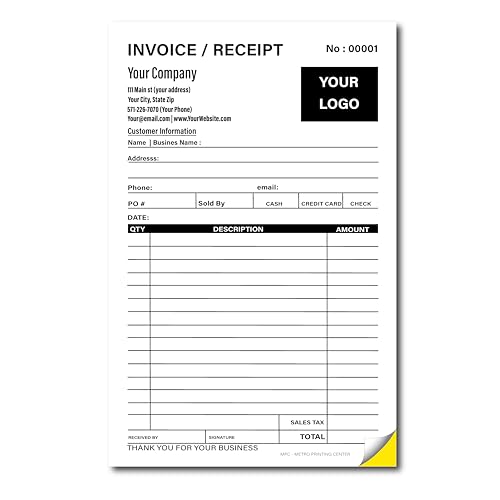
Sales Invoice Form Custom Printed with Your Company Information – Personalized Sales Ticket – Invoice Receipt – Carbonless NCR Form
Custom printed with your company / buisness information (BLACK & WHITE Print)
As an affiliate, we earn on qualifying purchases.
As an affiliate, we earn on qualifying purchases.

Practical Guide to SAP GTS Part 1: SPL Screening and Compliance Management
As an affiliate, we earn on qualifying purchases.
As an affiliate, we earn on qualifying purchases.