

To avoid sounding like a robot, don’t over-automate your communication. Focus on personalization and understanding emotional cues; automated messages that lack nuance can feel cold or generic. Instead, balance automation with genuine human interaction, especially for complex or emotional issues. Avoid overloading your audience with too many messages, which can cause fatigue. Keeping a human touch guarantees your messages stay authentic and engaging—continue on to discover more ways to perfect your automation strategy.
Key Takeaways
- Personalize automation to maintain human warmth and avoid sounding robotic or impersonal.
- Incorporate emotional cues and context awareness to make interactions relevant and empathetic.
- Balance automation with human support, especially for complex or sensitive customer issues.
- Limit message frequency and customize content to prevent audience fatigue and maintain engagement.
- Regularly review and adjust automation strategies to preserve trust and prevent negative perceptions.
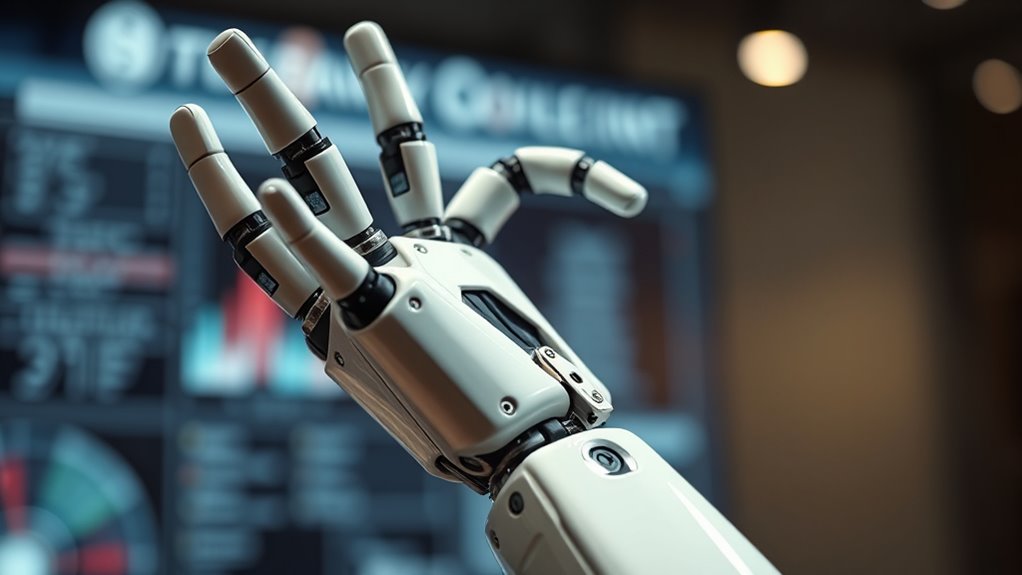
Have you ever underestimated the pitfalls of automation? It’s easy to get caught up in the promise of efficiency and assume that more automation automatically leads to better results. But ignoring the potential downsides can backfire, especially when it comes to personalization issues. When you over-automate, you risk creating interactions that feel impersonal or robotic, which can alienate your audience. Automation is meant to streamline processes, but if you rely on it too heavily without maintaining a human touch, your communication can come across as cold or generic. Customers and clients crave personalized experiences, and failing to deliver that can damage your brand’s reputation and erode trust.
Over-automating risks creating impersonal interactions that can harm your brand’s trust and customer relationships.
One of the biggest over automation pitfalls is neglecting the importance of context. Automated systems often operate on algorithms that don’t fully understand nuance or emotional cues. If your automation is too rigid, it might respond in a way that’s irrelevant or inappropriate, leading to frustration rather than engagement. For example, sending a generic email after a customer expresses dissatisfaction can worsen the situation instead of resolving it. This lack of personalization underscores a common mistake: thinking that automation can replace human empathy entirely. Instead, automation should support personal interactions, not eliminate them.
Another mistake to avoid is relying solely on automation for customer service. While chatbots and automated responses can handle simple inquiries efficiently, they often fall short when it comes to complex issues or sensitive situations. Over-automating these touchpoints can result in frustration and a sense that your business doesn’t genuinely care. Customers want to feel heard and understood, and if they’re met with canned responses or disconnected workflows, they’ll quickly lose confidence in your brand. It’s vital to strike a balance—use automation to handle routine tasks but ensure there’s always an option to escalate to a human when needed.
Additionally, be cautious about the tendency toward over automation pitfalls like message fatigue. Bombarding your audience with too many automated messages can lead to annoyance or disengagement. Even well-intentioned automation can become intrusive if it’s not carefully calibrated. To avoid this, you need to monitor how your automated campaigns are received and adjust frequency, tone, and content accordingly. Personalization isn’t just about inserting a name; it’s about delivering relevant, timely, and meaningful interactions that resonate with your audience.

Building a Smart Customer Service System with AI: From Chatbots to Personalized Support (Deacon O’Maley: AI Coach for Small Business)
As an affiliate, we earn on qualifying purchases.
As an affiliate, we earn on qualifying purchases.
Frequently Asked Questions
How Can I Personalize Automated Messages Effectively?
To personalize automated messages effectively, focus on tailoring your message tone to match your audience’s preferences and behavior. Use their name and reference recent interactions to boost user engagement. Avoid sounding robotic by adding a conversational touch and relevant details. Keep your messages genuine, friendly, and relevant, which helps build trust. When you personalize well, your audience feels valued, increasing engagement and fostering stronger connections.
What Are Signs My Automation Feels Too Robotic?
If your automation feels too robotic, you notice messages that lack a human tone, like overly generic responses that don’t address individual needs. For example, a customer receives a one-size-fits-all reply after a purchase, missing emotional connection. Signs include repetitive phrasing, no personalized touches, or abrupt language. To avoid this, infuse your automation with warmth and empathy to foster genuine human connection, making interactions feel authentic and relatable.
How Often Should I Review My Automation Workflows?
You should review your automation workflows regularly, ideally every month or two, to guarantee timing optimization and relevance for your target audience. This helps you catch any outdated messaging or misaligned timing that could make your automation seem robotic. Consistent reviews allow you to tweak triggers, messages, and sequences, keeping your communication natural and engaging, and ensuring your automation continues to meet your audience’s needs effectively.
What Tools Help Prevent Automation From Sounding Unnatural?
Did you know 78% of users prefer natural-sounding automation? To prevent your automation from sounding robotic, use tools like chatbots with advanced AI that adapt voice inflection and interpret contextual cues. These tools help your responses feel more genuine and human-like. Incorporate features like tone modulation and context awareness, so your automation can respond more naturally, making interactions engaging and less mechanical.
How Do I Balance Automation and Human Interaction?
You should balance automation and human interaction by integrating cultural nuances and emotional intelligence into your communication. Use automation to handle routine tasks, freeing up time for personal engagement where empathy matters. When interacting with customers, personalize responses based on cultural contexts and show genuine understanding. This approach guarantees your automation feels natural, relatable, and respectful, creating a seamless experience that values both efficiency and authentic human connection.

Emotional Intelligence for Sales Success: Connect with Customers and Get Results
As an affiliate, we earn on qualifying purchases.
As an affiliate, we earn on qualifying purchases.
Conclusion
By avoiding these common automation mistakes, you’ll keep your processes smooth and humanized, even as technology takes the lead. Remember, sometimes the smallest oversight can cause the biggest hiccup, reminding you that perfection isn’t just about flawless systems but understanding when to step back and add a personal touch. After all, in a world rushing toward automation, it’s the genuine connection that truly sets you apart—proof that even machines can’t replace authenticity.
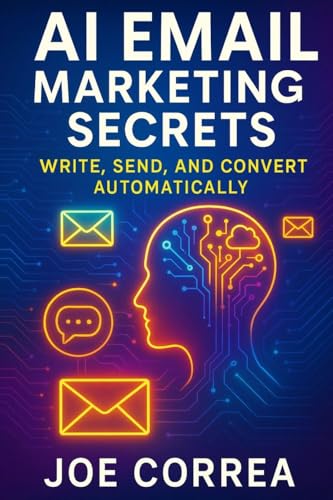
AI Email Marketing Secrets: Write, Send, and Convert Automatically (AI Marketing Revolution)
As an affiliate, we earn on qualifying purchases.
As an affiliate, we earn on qualifying purchases.

Tips for AI-driven user feedback analysis in Python – Improving customer satisfaction and product improvement strategies using natural language processing and sentiment analysis – (Japanese Edition)
As an affiliate, we earn on qualifying purchases.
As an affiliate, we earn on qualifying purchases.