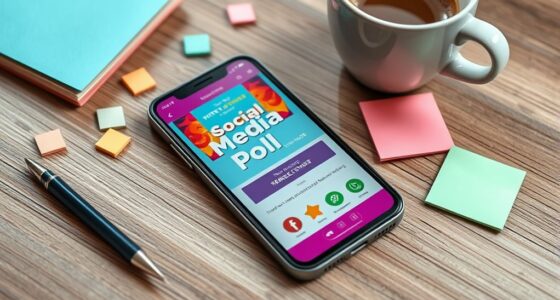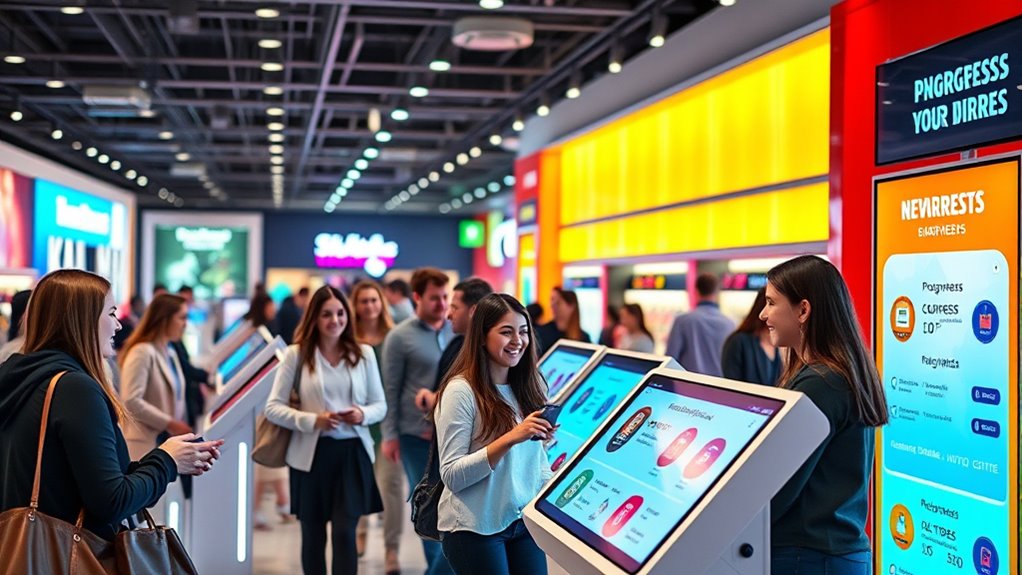

Gamification in sales makes the buying process more fun and engaging by adding game-like elements such as points, badges, and challenges. It turns routine interactions into exciting experiences that motivate customers to stay involved and make repeat purchases. For your team, it boosts motivation through friendly competition and rewards, creating a lively sales environment. If you want to discover more ways to transform sales into enjoyable activities that drive growth, keep exploring.
Key Takeaways
- Incorporate game-like elements such as points, badges, and leaderboards to make the buying process engaging and interactive.
- Use rewards and incentives to motivate customers and encourage repeat business through gamified experiences.
- Simplify gamification designs to ensure they are intuitive, rewarding, and enhance overall customer satisfaction.
- Foster customer loyalty by recognizing achievements and creating fun, memorable purchasing interactions.
- Combine creative visuals and challenges to transform routine sales activities into enjoyable, motivating experiences.

Have you ever wondered how sales teams boost motivation and performance? One effective way is through gamification, which turns routine tasks into engaging challenges. By integrating game-like elements into sales processes, you create an environment where reps feel motivated to excel and customers stay interested. Sales incentives are a core part of this approach, rewarding employees for hitting targets, completing milestones, or engaging customers in meaningful ways. These incentives don’t just boost individual performance—they build a culture of achievement that encourages everyone to push a little harder. When sales reps see tangible rewards, they’re more likely to stay motivated and put in extra effort, which ultimately drives better results for your business.
Gamification motivates sales teams and customers through engaging rewards and challenges, boosting performance and loyalty.
Gamification also plays a notable role in fostering customer loyalty. When you make the buying experience more interactive and fun, customers are more likely to return. For instance, incorporating point systems, badges, or progress tracking into your sales platform can turn a simple purchase into an engaging activity. Customers enjoy feeling recognized for their loyalty, and gamified rewards give them an incentive to keep coming back. This not only boosts immediate sales but also cultivates a long-term relationship. When customers associate your brand with positive, enjoyable interactions, they develop a deeper attachment, making them less likely to switch to competitors. The key is to design these gamified experiences so they’re simple, intuitive, and genuinely rewarding, ensuring customers see value beyond just the product or service.
Furthermore, gamification encourages friendly competition among sales teams, which can considerably increase overall performance. When team members compete for sales incentives, they push each other to perform better, creating a healthy, motivating environment. This sense of competition combined with recognition can foster camaraderie and drive everyone to achieve more. It’s important to set clear, achievable goals and ensure rewards are meaningful. When done correctly, gamification makes the sales process more dynamic and less monotonous, helping everyone stay focused and energized. Additionally, incorporating elements from unique and wicked planters can inspire creative ways to design engaging and visually appealing sales challenges.
Ultimately, gamification transforms the sales landscape by making the buying and selling process more enjoyable. It taps into natural human instincts for challenge and reward, motivating sales teams while enhancing customer experiences. By smartly leveraging sales incentives and creating engaging interactions, you not only increase immediate sales but also build lasting customer loyalty. When your sales process feels less like a chore and more like a game, everyone wins—your team is more motivated, your customers are happier, and your business grows.

Actionable Gamification: Beyond Points, Badges and Leaderboards
As an affiliate, we earn on qualifying purchases.
As an affiliate, we earn on qualifying purchases.
Frequently Asked Questions
How Can Gamification Be Tailored for Different Sales Industries?
You can tailor gamification for different sales industries by addressing industry-specific challenges through customization strategies. For example, in retail, use point systems and rewards to boost customer loyalty, while in B2B sales, incorporate competitive leaderboards to motivate teams. You should analyze each industry’s unique needs, then adapt game mechanics to fit those challenges, ensuring engagement increases and sales performance improves across diverse sectors.
What Are Common Mistakes to Avoid When Implementing Sales Gamification?
Don’t let your gamification efforts fall flat by overusing points; it’s like adding too much salt—sacrificing flavor. Avoid neglecting user feedback, which is your compass to meaningful engagement. If you ignore these, you risk demotivating your team and losing interest. Keep the game balanced, listen to your salespeople, and adapt your approach. This way, your gamification stays fresh, motivating, and effective.
How Do You Measure the Long-Term Success of Gamified Sales Strategies?
You measure the long-term success of gamified sales strategies by tracking customer retention and sales conversion rates over time. Keep an eye on engagement metrics to see if customers stay active and motivated. Use surveys and feedback to assess satisfaction and loyalty. Regularly analyze sales data to identify trends, ensuring that your gamification efforts are fostering lasting relationships and consistent growth, not just short-term boosts.
What Role Does Technology Play in Effective Sales Gamification?
Technology acts as your empowering partner, seamlessly integrating virtual rewards that motivate your sales team and customers alike. It harnesses data analytics to track engagement and performance, helping you fine-tune your strategies. This digital backbone guarantees your gamification efforts are impactful, personalized, and dynamic, creating an engaging experience that keeps everyone inspired and coming back for more. With technology, you turn motivation into measurable success, making sales both fun and productive.
How Can Small Businesses Leverage Gamification Without Significant Investment?
You can leverage gamification in your small business by adopting cost-effective strategies and DIY gamification. Create simple reward systems, like badges or points for customer interactions or sales milestones, to boost engagement. Use free or low-cost tools to track progress and encourage friendly competition among staff or customers. By integrating these easy, budget-friendly tactics, you’ll make the buying experience more fun, motivating continued engagement without significant investment.

Loyalty Card 10 Punch Reward System | Punch Card | 50 pack 2 x 3.5 Inch business card size
✅PROFESSIONAL REWARD SYSTEM: 10-punch loyalty card designed to help businesses track customer visits and build repeat clientele through…
As an affiliate, we earn on qualifying purchases.
As an affiliate, we earn on qualifying purchases.
Conclusion
Embracing gamification in sales transforms everyday transactions into exciting challenges. It’s not just about boosting engagement; it’s about turning the buying journey into a story worth sharing. When you make it fun, customers become active participants rather than passive observers. So, why settle for ordinary when you can make every sale a winning game? After all, isn’t life more rewarding when we play to win? Start gamifying today and watch your sales soar!

The Harvard Business Review Sales Management Handbook: How to Lead High-Performing Sales Teams (HBR Handbooks)
As an affiliate, we earn on qualifying purchases.
As an affiliate, we earn on qualifying purchases.
Sales Essentials: The Tools You Need at Every Stage to Close More Deals and Crush Your Quota
As an affiliate, we earn on qualifying purchases.
As an affiliate, we earn on qualifying purchases.