

To engage potential customers, use quizzes and surveys to gather insights about their preferences and interests. Design fun, interactive questions that encourage honest feedback while making them feel valued. Share tailored content and personalized offers based on their responses to foster trust and connection. Use results to improve your products and craft targeted marketing messages. Staying consistent with this approach helps build loyalty; keep exploring ways to make your strategies even more effective.
Key Takeaways
- Design engaging quizzes and surveys aligned with customer interests to encourage participation and honest feedback.
- Use survey insights to personalize marketing messages and content for specific customer segments.
- Showcase how customer feedback influences product development and offerings to build trust and loyalty.
- Incorporate interactive quizzes to create a fun experience, motivating honest responses and ongoing engagement.
- Share tailored recommendations and vetted products based on survey results to demonstrate responsiveness and foster relationships.
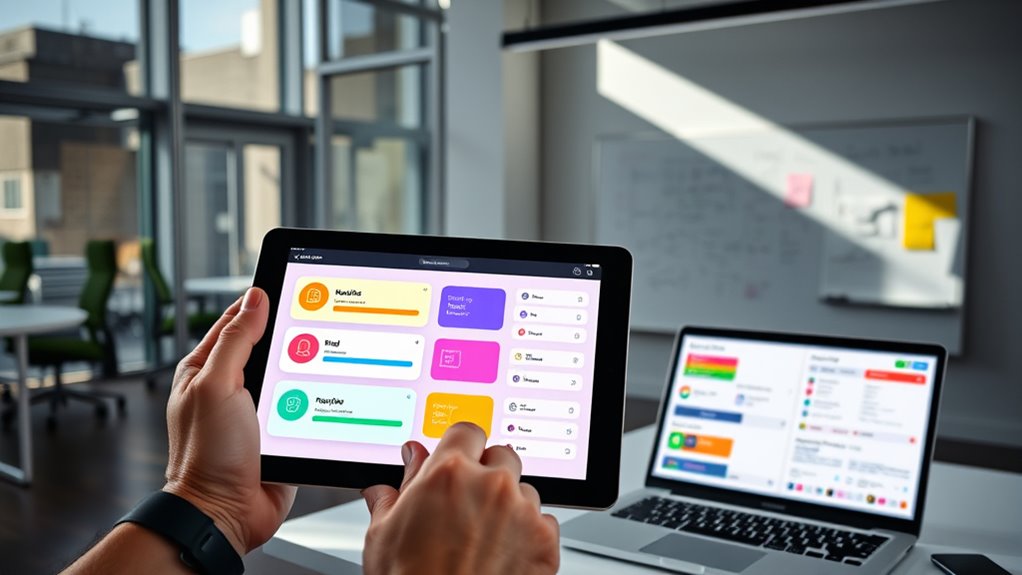
Have you ever wondered how to turn customer feedback into a powerful engagement tool? One of the most effective ways is by using quizzes and surveys to gather insights and then leveraging that data to deliver personalized content. When you create quizzes or surveys that resonate with your audience, you show that you value their opinions, which in turn encourages deeper engagement. The key is to design these tools thoughtfully, ensuring they collect meaningful customer feedback that can inform your marketing strategies and content creation.
Start by crafting questions that are relevant and tailored to your target audience. When your questions align with their interests, needs, or preferences, you’re more likely to receive honest and detailed responses. Use this customer feedback not just to improve your products or services but also to develop personalized content that speaks directly to each customer segment. For example, if your survey reveals that a particular demographic prefers eco-friendly products, you can craft marketing messages and offers that highlight your sustainable initiatives. This personalized content makes your customers feel seen and understood, strengthening their connection to your brand.
Moreover, integrating customer feedback into your content strategy helps you build trust. When customers notice that their opinions influence your offerings or marketing messages, they’re more inclined to stay engaged and become loyal advocates. Use survey results to create targeted email campaigns, social media posts, or blog topics that address the specific interests or concerns revealed by your audience. This approach shows that you’re listening, valuing their input, and committed to creating a tailored experience. As a result, engagement levels rise, and your potential customers are more likely to convert into paying clients.
Another effective tactic is to make your quizzes interactive and fun, encouraging participation. When customers enjoy the process, they’re more likely to provide honest feedback and share their results. Use the insights gathered from these interactions to refine your marketing strategies, enhance your product offerings, or develop new services that meet their needs. This continuous feedback loop not only keeps your content relevant but also demonstrates that you’re responsive to customer input.
Additionally, understanding the importance of vetted products ensures that your personalized content and recommendations are safe and effective, which further builds trust with your audience. In essence, turning customer feedback into personalized content through quizzes and surveys creates a cycle of engagement that benefits both your business and your customers. It shows that you’re listening, willing to adapt, and genuinely interested in providing value. By consistently using this approach, you’ll foster stronger relationships, boost loyalty, and ultimately turn casual visitors into committed customers.
interactive customer feedback surveys
As an affiliate, we earn on qualifying purchases.
As an affiliate, we earn on qualifying purchases.
Frequently Asked Questions
How Do I Ensure My Quizzes Are Privacy-Compliant?
To guarantee your quizzes are privacy-compliant, you need clear privacy policies that outline how you collect, store, and use data. Always obtain user consent before gathering information, and implement strong data security measures to protect their details. Regularly review your privacy practices to stay updated with regulations like GDPR or CCPA. This way, you build trust with your audience while respecting their privacy rights.
What Are the Best Tools for Creating Engaging Surveys?
You should try tools like Typeform, SurveyMonkey, or Google Forms—they offer great options for creating engaging surveys. Incorporate gamification techniques like progress bars or rewards to boost participation, and use visual design strategies like vibrant colors and clear layouts to make your surveys appealing. These tools make it easy to customize your questions, ensuring your surveys are interactive, visually attractive, and effective at capturing your audience’s attention.
How Can I Analyze Survey Results Effectively?
You can analyze survey results effectively by focusing on data analysis techniques that identify key patterns and trends. Start by organizing your data clearly, then look for recurring responses or significant shifts over time. Use visualization tools like charts to spot trends quickly. By analyzing the data thoroughly, you’ll uncover valuable insights that help tailor your marketing strategies and better understand your potential customers’ needs.
How Often Should I Update My Quizzes and Surveys?
You should update your quizzes and surveys more often than you breathe! Regularly reviewing your quiz frequency and survey updates keeps your content fresh and relevant. Aim to refresh them at least every three to six months, or whenever you notice shifts in customer preferences or market trends. This way, you stay ahead of the game, engage your audience constantly, and gather insights that truly reflect their current needs.
What Incentives Motivate Customers to Participate?
Reward incentives like discounts or exclusive content motivate customers to participate, making them feel valued. Incorporate gamification strategies such as points, badges, or leaderboards to boost engagement further. When you combine these approaches, customers see participation as fun and rewarding, encouraging ongoing involvement. By offering meaningful incentives and playful elements, you create a positive experience that increases survey completion rates and deepens their connection with your brand.

AI for Small Business Success: Email Marketing: Automate Campaigns, Personalize Messages, and Turn Emails into Sales with Smart AI Tools
As an affiliate, we earn on qualifying purchases.
As an affiliate, we earn on qualifying purchases.
Conclusion
Incorporating quizzes and surveys can boost engagement by making your audience feel involved. Did you know that 73% of consumers prefer brands that ask for their feedback? By using these tools, you not only gather valuable insights but also build stronger connections. So, start creating fun, relevant quizzes and surveys today—you might just turn casual visitors into loyal customers. Engagement is just a few questions away!
![MixPad Free Multitrack Recording Studio and Music Mixing Software [Download]](https://m.media-amazon.com/images/I/71ltIxIuz1L._SL500_.jpg)
MixPad Free Multitrack Recording Studio and Music Mixing Software [Download]
Create a mix using audio, music and voice tracks and recordings.
As an affiliate, we earn on qualifying purchases.
As an affiliate, we earn on qualifying purchases.

120 Pcs Reward Punch Cards Behavior Incentive Awards for Kids Students Teachers Home Classroom School Business Loyalty Card Positive Reinforcement Tool – 2" x 3.5"
FUNNY HOME SCHOOL SUPPLIES. 120 Pcs reward punch cards with 20 punches. Maintaining the motivation of kids and…
As an affiliate, we earn on qualifying purchases.
As an affiliate, we earn on qualifying purchases.