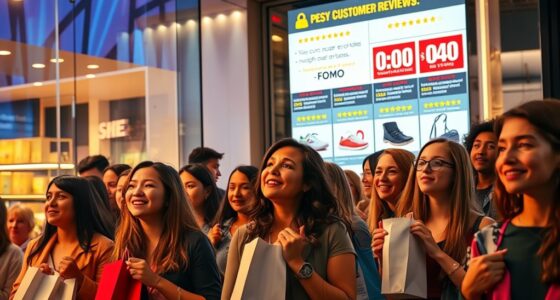

Your feelings play a powerful role in your buying choices, often shaping what you value more than facts like price or features. Emotions like happiness, nostalgia, or confidence can make you prefer certain brands, foster loyalty, and even justify higher prices. When a product connects with your core values or evokes positive memories, you’re more likely to choose it. If you keep exploring, you’ll discover how understanding these emotional influences can help you make smarter, more mindful decisions.
Key Takeaways
- Emotions strongly influence purchasing choices by creating positive associations with brands and products.
- Emotional branding fosters loyalty and preference beyond rational evaluations like price or features.
- Feelings such as happiness or nostalgia enhance perceived value and willingness to pay a premium.
- Shared emotional experiences build social bonds and reinforce consumer commitment to a brand.
- Awareness of emotional influences enables consumers to make more mindful, intentional buying decisions.

Have you ever wondered why certain products catch your eye while others don’t? It often comes down to more than just the product’s features or price. Emotions play a vital role in how you make purchasing decisions, and businesses are well aware of this. They craft branding strategies that tap into your feelings, aiming to create a connection that goes beyond logic. When a brand resonates with your core values or evokes positive memories, it becomes more than just a product – it becomes part of your identity. That’s where customer loyalty starts to form, driven by emotional attachment rather than just transactional exchanges.
Emotional connections transform products into parts of your identity and build lasting loyalty.
Brands that understand the power of emotions invest heavily in storytelling, visuals, and messaging designed to stir feelings. For example, an advertisement that makes you nostalgic or inspires you can trigger an emotional response that sways your choice. These branding strategies aren’t just about making a product look appealing; they’re about forging a bond that makes you trust and prefer a particular brand over others. When you’re emotionally engaged, you’re more likely to stick with a brand, return for repeat purchases, and even recommend it to friends. This loyalty isn’t built solely on the product’s quality but on the feelings associated with the brand experience.
Your emotional responses also influence your perception of value. If a product makes you feel happy, confident, or secure, you’re more willing to pay a premium or overlook minor flaws. This emotional valuation often outweighs rational considerations, like price or features, because it taps into your desire for positive feelings and self-identity. Companies that successfully evoke these emotions understand that your purchase is not just about the item but about how it makes you feel and what it signifies about you. Additionally, understanding the importance of emotional branding can help consumers become more mindful of their own motivations when shopping.
Moreover, emotional branding can foster a sense of community or belonging. When you see others using a particular brand and feel a shared connection, it reinforces your loyalty. Social proof, combined with emotional appeal, creates a powerful cycle that keeps you coming back. The more you associate a brand with positive emotions, the stronger that loyalty becomes, making it difficult for competitors to sway you away. In essence, your buying choices are often driven by feelings that have been carefully cultivated through effective branding strategies, highlighting how intertwined emotions are with consumer behavior.
In the end, understanding the emotional aspect of buying helps you recognize why you might favor certain brands. It’s not just about the product itself but the feelings, stories, and identities those brands represent. Recognizing this can make you more aware of how emotions influence your decisions, empowering you to make more conscious choices in your shopping habits.

Emotional Branding: The New Paradigm for Connecting Brands to People
Author: Gobe Marc. | Publisher: Allworth Press| Pages: 360| Publication Date: 2010-02-09| Edition: Updated and Revised Edition| Binding:…
As an affiliate, we earn on qualifying purchases.
As an affiliate, we earn on qualifying purchases.
Frequently Asked Questions
Can Emotions Override Logical Decision-Making in Purchases?
Yes, emotions can override your rational choice, especially when you’re driven by feelings like excitement or fear. You might overlook price sensitivity or logical reasoning because your emotions cloud your judgment, leading you to make impulsive purchases. When emotions take over, they often influence your decisions more than analyzing the actual value or necessity of a product, making it harder to stick to a rational buying strategy.
How Do Cultural Differences Affect Emotional Buying Triggers?
You should know that 76% of consumers feel more connected to brands that understand their cultural values. Cultural differences profoundly shape emotional buying triggers, making cross-cultural branding essential. Your emotional literacy helps you recognize these diverse cues, allowing you to tailor messages that resonate deeply. By understanding cultural nuances, you can craft marketing strategies that evoke authentic emotions, boosting engagement and loyalty across global markets.
Are There Age Groups More Influenced by Feelings When Buying?
You’re more likely to be influenced by feelings when shopping if you’re in certain age groups, especially younger consumers. Age-related preferences and generational differences shape how emotions drive your purchasing decisions. Millennials and Gen Z tend to respond more to emotional appeals, while older groups may prioritize practicality. Understanding these differences helps marketers craft messages that resonate with your age-related preferences, making emotional triggers more effective in your decision-making process.
What Role Does Social Proof Play in Emotional Purchasing?
Social proof plays a significant role in emotional purchasing by boosting your confidence and reducing hesitation. When you see others endorsing a product or service, your emotional influence grows, making you more likely to make a quick decision. This sense of trust and validation from social proof taps into your feelings, encouraging impulsive buys. So, the more people you see approving, the stronger your emotional drive to purchase becomes.
How Can Brands Ethically Evoke Emotions to Boost Sales?
You can ethically evoke emotions through emotional branding that connects authentically with your audience. Use stories, visuals, and messages that resonate with their values and needs, fostering genuine relationships. Practice ethical persuasion by being transparent and respectful, avoiding manipulation. This approach boosts sales by building trust and loyalty, ensuring customers feel good about their choices, and strengthening your brand’s reputation for integrity and emotional connection.

Valdivia Funny Retro Vinyl Record Coasters with Player, 6 Pcs Music Coasters for Drinks, Bars, Party, Birthday Gifts for Music Lovers, Home Decor Housewarming and White Elephant Gifts Ideas
★【Nostalgic Retro Design】Revisit the charm of classic vinyl records with our vintage-inspired coaster set, meticulously crafted to bring…
As an affiliate, we earn on qualifying purchases.
As an affiliate, we earn on qualifying purchases.
Conclusion
So, next time you’re about to make a purchase, remember: your feelings are the real boss. That shiny gadget? Pure emotional magic. That sweater? More than just fabric, it’s a hug in disguise. Who needs rational decisions when you can be guided by the sweet symphony of your heart? Emotions rule the shopping world, and frankly, they’ve got you wrapped around their little finger. Happy impulsive buying!

The Whale
As an affiliate, we earn on qualifying purchases.
As an affiliate, we earn on qualifying purchases.
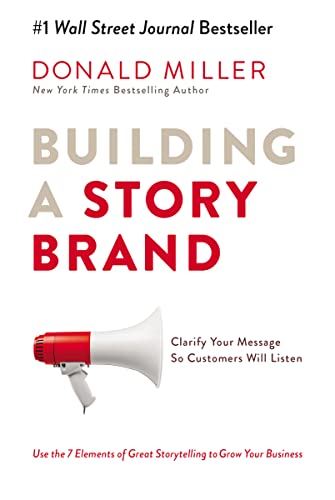
Building a StoryBrand: Clarify Your Message So Customers Will Listen
Author: Miller, Donald.
As an affiliate, we earn on qualifying purchases.
As an affiliate, we earn on qualifying purchases.