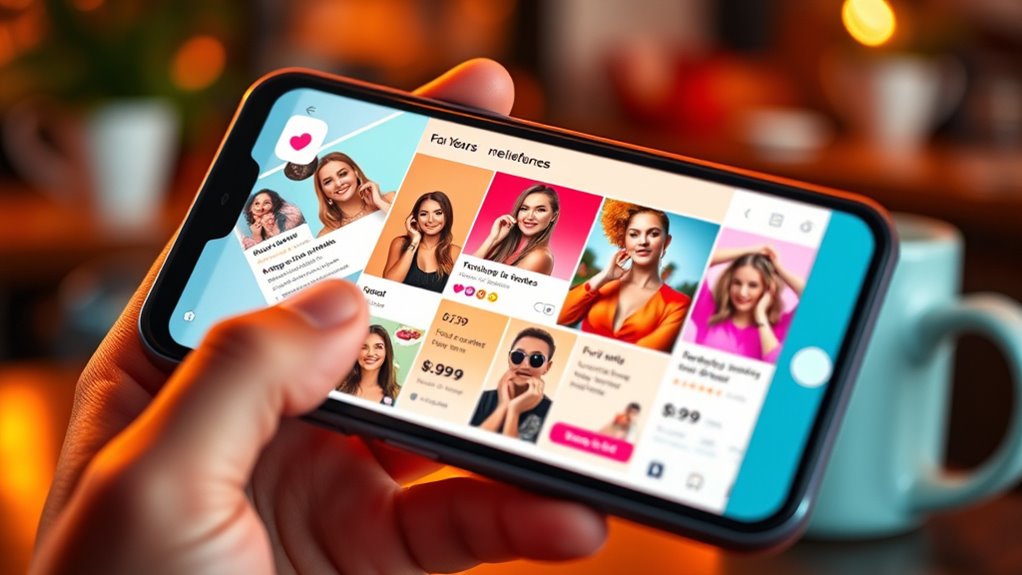

Social commerce blends social media and sales by creating authentic, community-driven experiences that turn passive viewers into active buyers. Through platforms like Instagram, TikTok, and Facebook, brands collaborate with influencers and showcase user-generated content that feels genuine and relatable. Features like hashtags, contests, and reposts encourage engagement, making shopping more personal and fun. This approach builds trust and warms up your audience. Keep exploring to discover how these strategies can transform your shopping experience even further.
Key Takeaways
- Social commerce integrates shopping directly within social media platforms, creating a seamless and engaging buying experience.
- Influencers and user-generated content build trust and authenticity, transforming passive viewers into active shoppers.
- Platforms facilitate sharing and highlighting UGC through hashtags, contests, and reposts, fostering community engagement.
- Content that feels genuine and relatable encourages social interactions, making shopping feel personal and part of a larger conversation.
- Combining influencer partnerships and UGC enhances warm, authentic connections that drive brand loyalty and sales.

Have you ever wondered how social media platforms have transformed the way we shop? Today, shopping isn’t just about visiting stores or browsing e-commerce sites; it’s about engaging with brands where you already spend your time—on Instagram, TikTok, Facebook, and other social networks. This shift has opened up new avenues for brands to connect with you through more authentic and relatable content, creating a sense of community and trust that traditional advertising can’t match.
One of the most impactful strategies in social commerce is leveraging Influencer Partnerships. Brands team up with popular content creators whose followers trust their opinions. When influencers showcase products in their posts or videos, it feels less like a sales pitch and more like a recommendation from a friend. You see real people using the products, sharing their honest experiences, which makes you more likely to consider purchasing. Influencer collaborations often include exclusive discount codes or direct links, making it easy for you to buy instantly, seamlessly blending inspiration with convenience.
Brands partner with trusted content creators to make product recommendations feel genuine and relatable.
Alongside influencer content, User Generated Content (UGC) plays an essential role in shaping your shopping experience. When fellow consumers share their own photos, reviews, or unboxing videos of products, it adds a layer of authenticity that polished advertisements can’t replicate. You’re more inclined to trust content created by everyday users because it feels genuine and relatable. UGC also fosters a sense of community—seeing others like you sharing their experiences makes you feel part of a larger conversation and more confident in your purchase decisions.
Social media platforms actively facilitate these types of content, making it simple for brands to encourage and showcase UGC. Hashtags, contests, and direct prompts invite you to share your own experiences, which brands then repost or highlight. This creates a cycle where your content not only influences others but also earns recognition, making you feel involved. When you see friends or influencers posting about a product, it sparks curiosity and often leads you to click on links or make a purchase without leaving the app.
All of these elements—Influencer Partnerships and User Generated Content—combine to create a warm, engaging shopping environment that feels personal instead of transactional. Social commerce isn’t just about pushing products but about building trust, fostering community, and making you feel like you’re part of a larger story. As you scroll through your feeds, you’re not just a passive viewer; you’re an active participant in a dynamic shopping experience that’s happening right where you connect with others every day.

COMITOK L7C Pro, Gimbal stabilizer for iPhone, Phone Stabilizer for Video Recording with Face/Object Tracking, 3-Axis Gimbal for Android & iPhone 15 Pro Max, Foldable Phone Gimbal Vlog Recording
[Upgraded 3-Axis Gimbal Stabilizer for Smartphone] Embark on a journey of capturing life's most cherished moments with the...
As an affiliate, we earn on qualifying purchases.
Frequently Asked Questions
How Do I Measure ROI in Social Commerce?
To measure ROI in social commerce, you need to track metrics like conversions, sales, and engagement. Use attribution models to understand which social media efforts drive revenue. By analyzing data from your tracking tools, you can see how each post or campaign contributes to sales. This helps you optimize strategies and guarantees you’re investing in the most effective channels for warm engagement and sales growth.
What Are the Best Social Media Platforms for Social Commerce?
You should focus on platforms like Instagram, TikTok, and Facebook for social commerce, as they excel with influencer collaborations and visual content strategies. These platforms allow you to showcase products through engaging visuals and partner with influencers to boost credibility and reach. By leveraging their features, you can create warm engagement, drive sales, and build a loyal community around your brand effectively.
How Can Small Businesses Effectively Leverage Social Commerce?
You can effectively leverage social commerce by partnering with influencers to boost your reach and credibility. Encourage your customers to share user-generated content that showcases your products authentically. Engage with your audience through comments and shares, creating a warm community. Use social media platforms strategically, posting regularly and highlighting collaborations and customer stories, which build trust and drive sales organically.
What Are Common Mistakes to Avoid in Social Commerce Strategies?
You should avoid inconsistent content, as it confuses your audience and weakens your brand. Don’t rely solely on influencer collaborations without authentic engagement; this can seem inauthentic. Maintain content consistency to build trust and recognition. Also, avoid over-promoting products, which can turn followers away. Instead, focus on genuine interactions, useful content, and strategic influencer partnerships to keep your social commerce strategy effective and engaging.
How Do I Handle Customer Service Through Social Media Sales Channels?
Imagine you’re a lighthouse guiding ships safely through a storm. When handling customer service via social media sales channels, you must respond promptly, like shining a beacon for clarity. Prioritize customer response, listen actively to complaints, and manage issues with empathy. Clear communication and swift complaint management build trust, turning potential storms into calm waters, ensuring your customers feel valued and heard every step of the way.

hohem iSteady X3 SE Gimbal Stabilizer for iPhone, Phone Stabilizer with Detachable Remote Control, Portable Foldable 3-Axis Phone Gimbal for Android & iPhone 16 15 Pro Max, Ideal for Travel Vlogging
Detachable Remote Controller: The hohem iSteady X3 SE Gimbal comes with a detachable magnetic remote, allowing you to...
As an affiliate, we earn on qualifying purchases.
Conclusion
Imagine social commerce as the perfect blend of social media and shopping, creating warm, genuine engagement. While some believe it’s just a trend, the growing success stories suggest it’s here to stay. By integrating authentic interactions with seamless sales, you can build trust and loyalty. The theory holds that social commerce transforms passive scrolling into active buying—making your audience feel connected and valued. Embrace this shift, and you’ll open new opportunities for genuine growth.
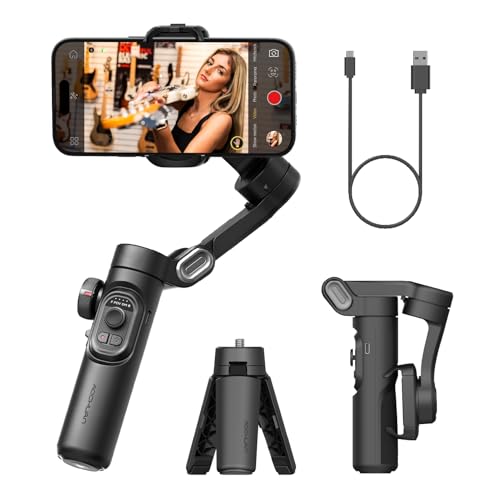
AOCHUAN Phone Gimbal Stabilizer 3-Axis Smartphone Foldable Handheld Gimbal for iPhone with Focus Wheel TikTok YouTube Vlog Stabilizer for iPhone17 16 15 14 13 Pro Max Android-Smart XE
[Powerful and Versatile 3-Axis Foldable Gimbal Stabilizer for Smartphones.]More powerful than any other smartphone gimbal, works well and...
As an affiliate, we earn on qualifying purchases.
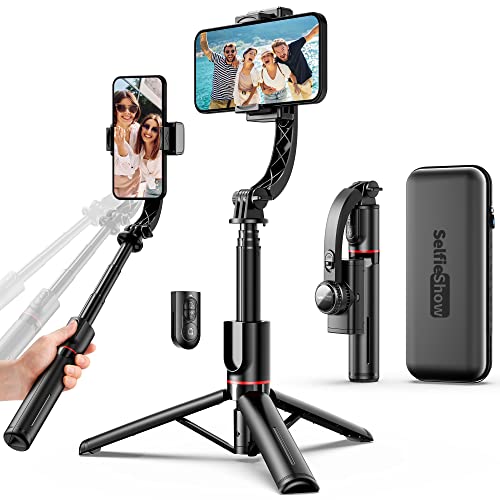
Smartphone Gimbal Stabilizer with Remote, Aluminum Extendable Selfie Stick Tripod, 360° Automatic Rotation, Auto Balance for Live Video Recording, Vlogging, YouTube Compatible with iPhone and Android
High Performance Automatic Anti Shake System: Featuring a high-performance brushless motor, the gimbal stabilizer can reduce shakes simultaneously...
As an affiliate, we earn on qualifying purchases.