
Personalization tech uses your CRM data to craft marketing messages tailored specifically to each customer. By analyzing customer behaviors, preferences, and engagement patterns, you can deliver relevant offers, content, and communications that resonate. This targeted approach builds stronger relationships, boosts engagement, and improves marketing ROI. Making these adjustments guarantees your messages are timely and meaningful. Keep exploring, and you’ll discover how to effectively leverage CRM insights to maximize your marketing impact.
Key Takeaways
- CRM data provides accurate customer insights essential for effective personalization efforts.
- AI-driven analytics transform CRM data into actionable segmentation and tailored messaging strategies.
- Behavioral segmentation uses CRM data to group customers by browsing, purchase, and engagement patterns.
- Personalization enhances marketing relevance, boosting customer engagement and loyalty through tailored content.
- Grounding personalization in CRM data ensures messages are timely, relevant, and based on factual customer behavior.

Personalization technology has revolutionized the way businesses and consumers interact by delivering tailored experiences that meet individual preferences. When you leverage CRM data effectively, you gain the ability to craft marketing messages that truly resonate. One of the core tools enabling this is AI-driven analytics, which processes vast amounts of customer data to uncover patterns and insights. Instead of guessing what your customers want, AI-driven analytics provides concrete evidence of their behaviors, preferences, and purchase history, allowing you to make smarter, more targeted decisions.
Behavioral segmentation plays a vital role here. By categorizing customers based on their actions—such as browsing habits, purchase frequency, or engagement levels—you can create specific groups with shared characteristics. This segmentation allows your marketing efforts to become more precise, ensuring that each message speaks directly to the interests of a particular audience segment. For example, you might target recent visitors with a special offer to encourage conversion or send loyalty rewards to repeat buyers, increasing their lifetime value.
Using CRM data, you can identify which segments are most responsive to different types of messaging. AI-driven analytics helps you understand not just what your customers are doing, but why they’re doing it. This insight enables you to customize marketing messages, offers, and content that align with each segment’s unique motivations. The result is a more personalized experience that feels relevant and engaging, rather than generic or intrusive.
Furthermore, this level of customization fosters stronger customer relationships. When you deliver content that matches their interests and needs, customers are more likely to trust your brand and remain loyal. Personalization also improves your marketing ROI by reducing wasted spend on irrelevant campaigns and increasing conversion rates. With CRM data as your foundation, you can continuously refine your approach, adapt to changing customer behaviors, and deliver increasingly tailored experiences.
In essence, harnessing AI-driven analytics and behavioral segmentation transforms raw CRM data into actionable insights. This empowers you to send the right message, to the right customer, at the right time. As a result, your marketing becomes more efficient, effective, and personal—building stronger connections that drive long-term growth. Personalization isn’t just a trend; it’s a fundamental shift in how you engage with your audience, making every interaction meaningful and impactful.
Additionally, understanding the content of customer data from sources like CRM helps ensure your personalization efforts are based on factual information rather than assumptions.

Creating Actionable Insights Using CRM Analytics: Learn how to build insightful and actionable data analytics dashboards
As an affiliate, we earn on qualifying purchases.
As an affiliate, we earn on qualifying purchases.
Frequently Asked Questions
How Secure Is Customer Data in Personalization Platforms?
Customer data in personalization platforms is generally secure if you use robust measures like data encryption and strict access controls. Data encryption protects information both at rest and in transit, preventing unauthorized access. Access controls ensure only authorized personnel can view or modify sensitive data. However, you should regularly update security protocols and monitor your systems to stay ahead of potential threats and keep your customer data protected.
Can Personalization Tech Integrate With Existing Marketing Tools?
Imagine it’s 1999, and you’re integrating your new marketing tools. Yes, personalization tech easily integrates with your existing platforms, enabling seamless customer segmentation and content automation. Modern systems are designed for compatibility, often offering APIs and plugins that connect with your CRM, email marketing, and analytics tools. This integration streamlines campaigns, enhances targeting accuracy, and delivers personalized experiences effortlessly, just like a well-oiled dial-up modem, bridging past and present marketing worlds.
What Are the Costs Associated With Implementing Crm-Based Personalization?
The costs for CRM-based personalization vary depending on your scale and tools, so you should conduct a thorough cost analysis upfront. You’ll face implementation challenges like integrating new tech with existing systems and training staff. Budget for software licenses, integration, ongoing maintenance, and potential consulting fees. While initial investment can be significant, the personalized marketing benefits often outweigh costs, boosting engagement and conversions over time.
How Do Privacy Laws Affect Personalization Strategies?
Privacy laws are a game-changer, shaping your personalization strategies like a master sculptor. You must prioritize privacy compliance by adhering to regulations such as GDPR and CCPA. Data anonymization becomes your best ally, ensuring customer identities stay protected while still leveraging CRM data. By respecting user rights and implementing transparent practices, you can build trust, avoid hefty fines, and maintain effective personalization without sacrificing privacy.
What Metrics Best Measure Personalization Success?
You should track customer engagement metrics like click-through rates, time spent on content, and conversion rates to measure personalization success. These indicators reveal how well your personalized messages resonate, boosting content relevance. By analyzing these metrics, you can refine your strategies to create more tailored experiences that enhance engagement, foster loyalty, and ultimately drive better results. Keep monitoring these key performance indicators regularly to guarantee your personalization efforts stay effective and aligned with customer preferences.
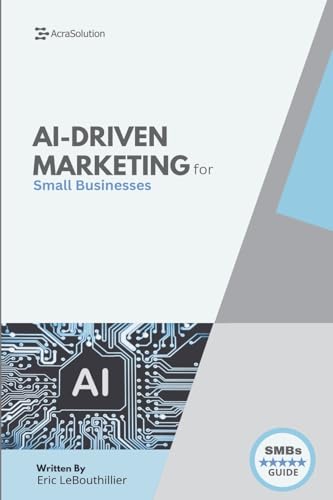
Ai-Driven Marketing: The Proven Blueprint to Automate, Personalize, and Scale Your Marketing Smarter
As an affiliate, we earn on qualifying purchases.
As an affiliate, we earn on qualifying purchases.
Conclusion
Now that you understand how CRM data can transform your marketing messages, imagine the possibilities when you take it even further. What if your next campaign could anticipate your customers’ needs before they even voice them? The power to customize every interaction is within your grasp—are you ready to open it? Stay tuned, because the next breakthrough in personalization tech might just change everything you thought you knew about customer engagement.

Customer Data Platforms: Use People Data to Transform the Future of Marketing Engagement
As an affiliate, we earn on qualifying purchases.
As an affiliate, we earn on qualifying purchases.

The 2023 Report on Behavioral Biometrics Software: World Market Segmentation by City
As an affiliate, we earn on qualifying purchases.
As an affiliate, we earn on qualifying purchases.