
📊 Full opportunity report: Everyday Motherhood Reflections, One Voice Note At A Time on IdeaNavigator AI — validation score, market gap, and execution plan.

Get business pricing on office and shipping supplies
- Business-only prices and quantity discounts
- Tax-exempt purchasing
- Multiple users, one account, clear invoices
TL;DR

IdeaNavigator AI has outlined a proposed voice-journaling product for mothers who have little time to write down their own experiences. The concept includes one-tap recording, transcriptions and private yearly books, but the material describes a product idea and validation plan—not a launched service or reported results.
IdeaNavigator AI has proposed testing a voice-journaling product for mothers, built around short recordings made during everyday moments such as feeding a baby or going for a walk. The concept aims to capture mothers’ personal experiences alongside the practical milestones tracked by baby apps, but no product launch, user trial or results are reported.
The proposed minimum viable product would let a user make a one-tap voice recording, then transcribe the entry and tag it for emotional themes. The idea is intended for mothers who may be caring for a child with their hands occupied and have little time to type, but still want to preserve memories and reflections about changes in their identity, relationships and daily life.
IdeaNavigator AI also proposes weekly reflections that surface patterns, reminders that bring back entries around milestone anniversaries, and private yearly books compiled from recordings. The suggested business model combines a subscription with optional printed-book purchases. These are elements of a proposed product plan, not confirmed features of an available app.
For validation, the proposal recommends recruiting 200 new mothers and tracking how often they make entries through the first three months. It also suggests measuring whether users buy a printed book around a child’s first birthday. The material provides no evidence that this test has started, and offers no findings on retention, willingness to pay or book purchases.
Recording Mothers’ Experiences
The idea addresses a distinction between recording a baby’s milestones and preserving a mother’s own account of early parenthood. Feeding schedules and developmental records can document a child’s progress, while personal experiences—such as shifts in identity, family relationships or the texture of everyday life—may not be captured in the same tools. A low-effort recording format could be useful to people who find typing impractical, if it proves easy to use and worth returning to.
The proposal also reflects a commercial question for the motherhood wellness-app market: whether users want a product centered on their own reflections, rather than on caregiving tasks or child development. Its suggested subscription and printed-book model depends on more than initial interest. Regular recording, continued use over months and eventual demand for a physical keepsake would all need to be demonstrated in a real test.
Those outcomes matter because the concept’s value rests on forming a habit during a period when time and attention can be limited. A few recordings made soon after trying an app would not, on their own, show that users will keep contributing entries or pay for a compiled book. The proposed three-month usage measure and first-birthday purchase test are intended to address those questions, but no results are available.
Products Worth Considering
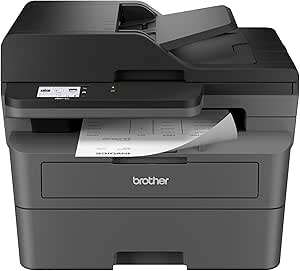
Brother MFC-L2820DW Wireless Monochrome All-in-One Laser Printer

HP Sprocket Studio Plus Wireless 4×6 Photo Printer

Apple MacBook Air 15-inch Laptop with M5 Chip, 16GB Memory, 512GB SSD, Liquid Retina Display, and Touch ID (Midnight)
As an affiliate, we earn on qualifying purchases.
From Baby Tracking to Personal Journaling
The proposal identifies a gap in products that focus on feeds and developmental milestones: the mother’s own account of the experience may go undocumented. It frames the problem around a practical constraint—there may be little time to sit and type while caring for a baby—rather than around a lack of events to record.
IdeaNavigator AI presents two reasons the idea may be timely: improvements in speech-to-text tools and greater awareness of maternal mental health. These are the proposal’s rationale, not independently documented findings in the material provided. It does not cite studies, market-size figures, existing product comparisons or evidence of demand for a mother-centered journaling app.
The concept is therefore at the idea and validation-planning stage in the information available. It names a possible audience, a first set of features, a revenue approach and suggested early measures. It does not identify a company building the app, describe a completed prototype, or report that mothers have tested it.
Demand and Privacy Remain Untested
No user research or trial results are provided, so it is not known whether mothers would record entries regularly, value automated theme tags or subscribe. The proposed sample of 200 new mothers is a suggested test, not a confirmed participant group. The timing, recruitment method and success criteria for such a test are also unspecified.
The concept would involve highly personal recordings about family life, emotional experiences and relationships. The available description does not explain how recordings and transcripts would be stored, protected, shared or deleted, whether transcription would occur on a device or through an external service, or how users could correct inaccurate transcripts. It also does not say whether emotional-theme tags would be generated automatically or reviewed by users.
Other practical details remain open, including subscription pricing, the cost of printed books, accessibility and language support, and how entries would be selected for a yearly volume. The proposal does not establish that a finished app exists or that speech-to-text quality will meet the needs of this particular use case.
Testing the First Three Months
The next step described in the proposal is to test the concept with 200 new mothers and track weekly entries through month three. That measure could indicate whether users continue recording beyond initial trial use, though no benchmark for a successful result is supplied. It is not clear when or whether the proposed test will take place.
The plan also calls for checking printed-book conversion around a child’s first birthday. That would provide a later signal about whether users want to turn private recordings into a physical keepsake and whether the suggested upsell has commercial appeal. No launch schedule, pricing, recruitment announcement or follow-up findings have been reported, so the concept’s development and viability remain undetermined.
Source: IdeaNavigator AI
Key Questions
Is a voice-journaling app for mothers available now?
The information describes a product concept, not an app confirmed to be available. It provides no launch announcement, company name or release date.
What would the proposed app do?
The suggested product would record short voice entries, transcribe them, apply emotional-theme tags and offer weekly reflections. It could also resurface entries around anniversaries and compile them into a private yearly book.
Has the proposed test with 200 mothers started?
No start is reported. Recruiting 200 new mothers and tracking their entries through month three is presented as a validation plan, not a completed study.
How might the product make money?
The proposed model combines a subscription with optional printed-book purchases. Prices, production costs and evidence of customer demand have not been provided.
What privacy protections are planned?
The available description does not specify data storage, security, sharing, deletion or transcription practices. Those details would matter because recordings could contain sensitive personal and family information.
Source: IdeaNavigator AI