
📊 Full opportunity report: How Skincare Apps Fit Into Men's Grooming Routines on IdeaNavigator AI — validation score, market gap, and execution plan.

Get business pricing on office and shipping supplies
- Business-only prices and quantity discounts
- Tax-exempt purchasing
- Multiple users, one account, clear invoices
TL;DR
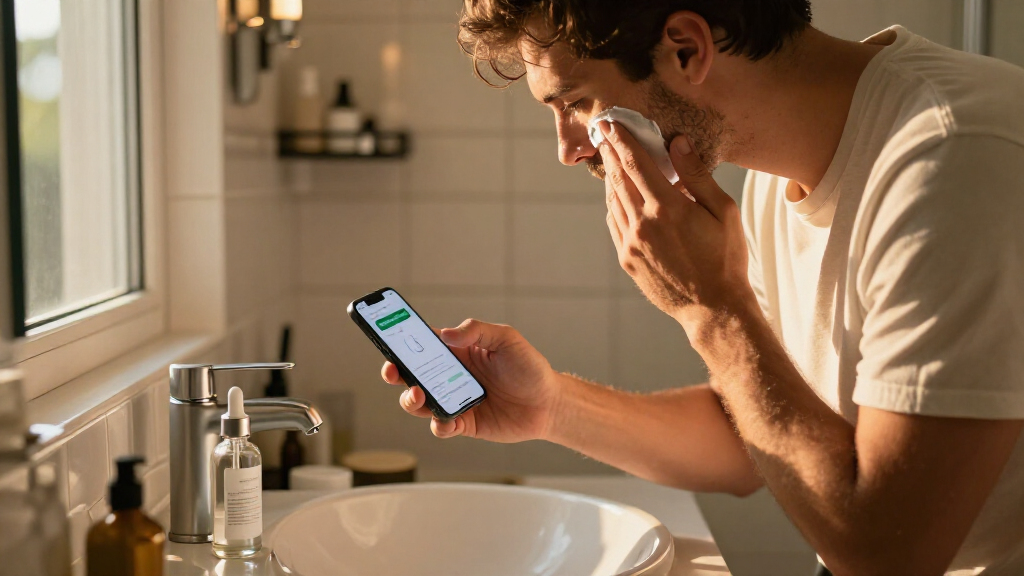
An IdeaNavigator AI proposal outlines a skincare-tracking app for men who want to measure whether a routine is working. The suggested features include weekly guided selfies, routine logging and progress scores, but the concept’s adoption, measurement reliability and business model have not been demonstrated.
IdeaNavigator AI has proposed a skincare-tracking app for men who want visible evidence that a new routine is working, with weekly guided selfies, skin scores and routine logs as its core features. The proposal describes a product concept to validate, not an app launch or a proven business, and provides no user-test results showing whether men would adopt it or trust its measurements.
The suggested first audience is narrowly defined: men newly investing in skincare who want a way to judge progress. The proposal says some potential users may be put off by beauty apps’ tone and marketing, and may prefer a tool framed around tracking and measurable goals. That is the proposal’s assessment of user needs, not a finding supported here by survey or conversion data.
The proposed minimum version would invite users to take guided selfies once a week and rate or score skin clarity, texture and dark circles. It would also let users record their routines, maintain streaks and view progress cards described as training metrics rather than beauty scores. The outline does not specify how scores would be calculated, whether images would be assessed automatically or by users, or how changes in lighting and camera position would be handled.
The suggested revenue model combines subscriptions with affiliate product recommendations linked to measured skin concerns. The proposal also recommends testing the same image-capture technology with men’s-training branding against neutral branding, then comparing conversion and retention by user segment. No test has been reported, and no pricing, partner products or launch schedule is supplied.
Testing a Metrics-Led Routine
The concept focuses on a practical uncertainty for people starting skincare: whether a routine is producing a visible change. A weekly record could make it easier to compare skin over time than relying on memory, while routine logs could help users connect changes with what they are applying. That potential is not the same as demonstrated effectiveness; the proposal supplies no evidence that its scores would be consistent or that tracking would improve adherence.
For businesses, the central question is whether men’s-training language attracts users who avoid beauty-oriented products, or whether the same feature set works just as well with neutral presentation. The proposed branding comparison is a testable product question, but results would depend on how participants are recruited and whether they continue using the app beyond initial sign-up. Affiliate suggestions also create a need for transparency: users would need to understand when recommendations are paid placements and how those recommendations relate to the app’s assessments.
Readers considering such a tool should distinguish progress tracking from medical assessment. A score or selfie comparison would not, by itself, establish the cause of a skin change or diagnose a condition. The proposal does not describe clinical review, privacy protections or advice for users whose concerns need professional care.
As an affiliate, we earn on qualifying purchases.
A Narrow First Product Test
IdeaNavigator AI presents the idea as a first-win workflow for one buyer rather than a broad grooming platform: a newcomer to skincare seeking proof of progress. The emphasis is on starting with a limited set of measures and repeatable weekly capture, then checking whether the experience meets that need.
The proposal characterizes men’s grooming technology as a market opportunity and says interest in appearance-focused tracking and gamified habits makes the timing favorable. It does not provide market-size figures, growth rates, independent research or comparisons with existing apps to substantiate those claims. Its reference to looksmaxxing culture is a proposed explanation for possible interest, not evidence that this audience would use a skincare tracker.
The suggested validation step is a comparison between training-oriented and neutral branding using the same capture technology. Measuring both sign-ups and retention could help separate initial curiosity from sustained use. The proposal does not state that this experiment has begun or set a threshold for deciding whether the concept succeeds.
guided selfie skincare tool for men
As an affiliate, we earn on qualifying purchases.
As an affiliate, we earn on qualifying purchases.
Accuracy, Privacy and Demand
No evidence of demand or performance is included in the proposal. It is not clear how many prospective users would prefer a men-specific presentation, whether that preference would lead to repeat use, or what subscription price they might accept. The suggested branding test could address part of that gap, but no participants, results or timetable are reported.
The method for generating skin scores is also unspecified. Selfies can vary with lighting, angle, camera quality and other conditions, so the outline does not establish that a score would reliably reflect changes in skin. It also leaves open how images would be stored, protected or deleted, and whether users could opt out of affiliate recommendations. No product, company launch, clinical validation or regulatory status is identified.
As an affiliate, we earn on qualifying purchases.
The Proposed Validation Test
The next step described is to test two positioning approaches—men’s-training branding and neutral branding—while holding the capture technology constant. The proposal recommends comparing conversion and retention across segments. Those measures could show whether branding affects sign-up and continued use, although the outline does not specify the test design or what result would justify building the app.
Further development would also require decisions about score methodology, image handling, recommendation disclosures and the limits of the app’s guidance. Until a test is run and results are made public, the concept remains a product hypothesis, not evidence that a skincare tracker will improve routines or deliver reliable assessments.
Source: IdeaNavigator AI
As an affiliate, we earn on qualifying purchases.
Key Questions
Has the proposed skincare app launched?
No launch is reported. IdeaNavigator AI describes a concept and a suggested validation test, without naming a released app or giving a launch date.
What would the app track?
The proposed version would use weekly guided selfies to track clarity, texture and dark circles, alongside routine logs, streaks and progress cards. The scoring method has not been specified.
How would the concept be tested?
The proposal suggests comparing men’s-training branding with neutral branding for the same capture technology, then measuring conversion and retention by segment. No test results are available.
Would its scores confirm that a skincare routine works?
No. The proposal does not establish the accuracy or clinical validity of any scores. A tracking app could record apparent changes, but it would not by itself diagnose a condition or prove what caused a change.
How might the app make money?
The suggested model is a subscription plus affiliate product recommendations tied to measured concerns. Pricing, product partners and disclosure practices are not provided.
Source: IdeaNavigator AI
Fall Picks
fall essentials
As an affiliate, we earn on qualifying purchases.