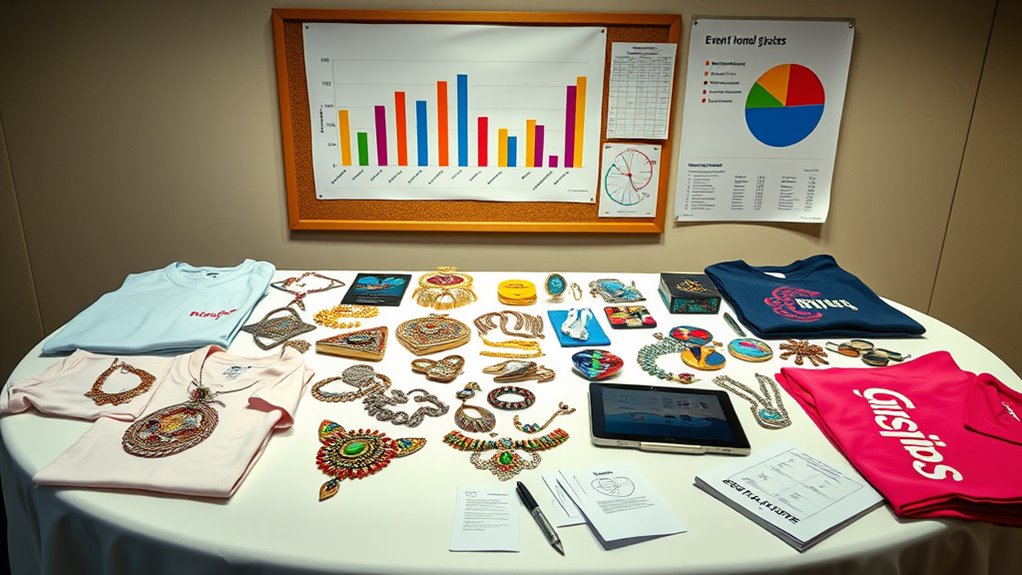

After your event, review sales data and customer feedback to see what sold well and what didn’t. Check inventory levels to confirm popular items were enough and identify underperformers. Use this info to adjust future stock orders and product offerings. Also, evaluate your team’s operations and guarantee compliance with relevant laws. By analyzing these aspects, you’ll find clear ways to boost sales and efficiency next time—keep exploring for more tips.
Key Takeaways
- Analyze sales data to identify top-performing and underperforming products for targeted inventory adjustments.
- Collect customer feedback to understand preferences and reasons behind product popularity or rejection.
- Evaluate inventory management practices to ensure stock levels align with sales trends and avoid shortages or overstocking.
- Review operational processes to identify logistical issues affecting product availability and customer experience.
- Use combined sales and feedback insights to refine product selection and purchasing strategies for future events.
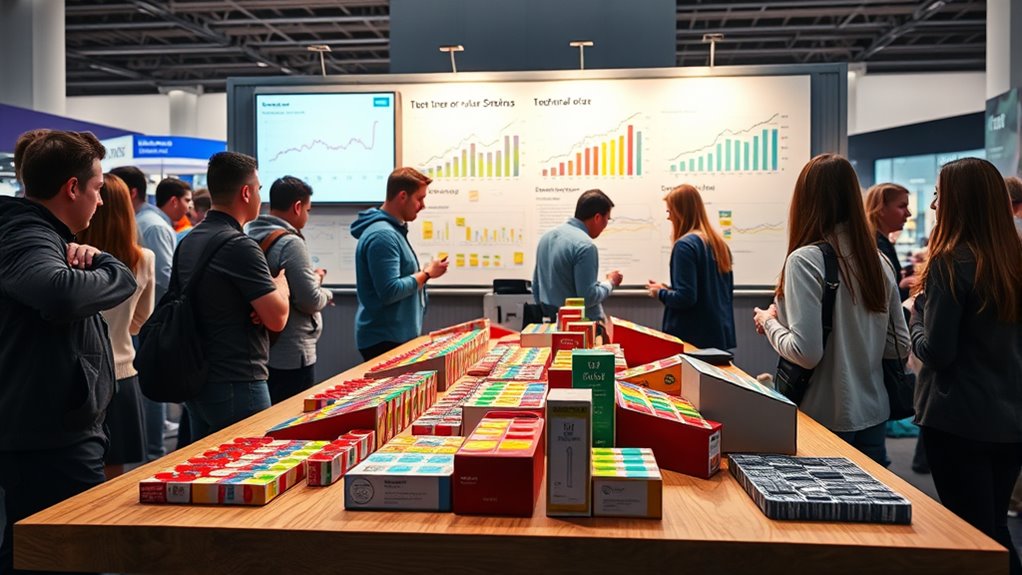
After an event concludes, conducting a thorough post-event analysis is essential to understand what worked well and identify areas for improvement. This step allows you to refine your approach for future events, ensuring you meet your goals more effectively. One of the critical aspects to review is how well your inventory management supported the event. Did you have enough stock of popular items, or did certain products sit unsold? Analyzing your inventory data helps you see patterns—what sold quickly and what didn’t. This insight enables you to adjust orders and avoid overstocking or shortages in future events. By optimizing your inventory management, you improve sales efficiency and reduce waste, ultimately increasing profitability. Additionally, understanding legal guidelines around inventory and sales can help ensure compliance with local regulations and prevent potential issues.
Customer feedback plays a vital role in evaluating your event’s success. Reach out to attendees through surveys, social media, or direct conversations to gather their impressions. Did they find the product selection appealing? Were the checkout processes smooth? Did they feel their needs were understood? Their insights reveal what resonated and what fell flat. If multiple customers mention the same issues or praise certain aspects, you gain a clearer picture of your strengths and weaknesses. This feedback not only helps you improve the overall experience but also guides inventory decisions—perhaps certain items or categories need more focus based on customer preferences.
Customer feedback highlights strengths and weaknesses, guiding product focus and improving overall event success.
When analyzing what sold and what didn’t, look for trends that emerge from both sales data and customer feedback. For instance, if a particular product line was popular but your inventory was limited, you know to increase stock next time. Conversely, if some items consistently underperform, consider removing or replacing them. Combining sales analytics with customer comments offers a comprehensive view, helping you understand the “why” behind sales patterns. This approach enables smarter purchasing decisions, tailored product offerings, and better customer satisfaction.
Additionally, review your operational efficiency during the event. How well did your team manage inventory restocking, customer inquiries, and checkout? Identifying bottlenecks or issues in logistics can be just as important as analyzing sales figures. Enhancing your logistical processes ensures smoother operations, which positively impacts customer experience and sales outcomes. Understanding the Louisiana Civil Code and other legal factors can also help ensure your event complies with relevant laws and regulations.
Top picks for "post event analysi"
Open Amazon search results for this keyword.
As an affiliate, we earn on qualifying purchases.
Frequently Asked Questions
How Can I Measure Attendee Satisfaction Effectively?
You can measure attendee satisfaction effectively by collecting guest feedback through various survey methods, such as online forms, mobile polls, or paper questionnaires. Encourage honest responses by keeping surveys short and specific. You should analyze the feedback to identify common themes and areas for improvement. Regularly engaging attendees with follow-up questions guarantees you gather meaningful insights, helping you enhance future events and boost overall satisfaction.
What Tools Are Best for Tracking Sales Data Post-Event?
Think of sales analytics as your compass, guiding you through post-event data. Use tools like Excel, Tableau, or Google Data Studio for data visualization, making complex sales data clear and actionable. These tools help you track what sold, identify trends, and spot gaps. By analyzing this info, you can refine your strategies, boost future sales, and turn every event into a stepping stone toward greater success.
How Do I Identify the Root Causes of Poor Sales?
To identify the root causes of poor sales, analyze your sales trends over time and compare different products or time periods. Pay close attention to customer feedback, which reveals their preferences and frustrations. Look for patterns or recurring issues that might explain sales drops. Combining data insights with direct customer input helps you pinpoint specific problems, allowing you to make targeted improvements for future events.
What Are Common Pitfalls in Post-Event Analysis?
You might overlook key pitfalls in post-event analysis, like ignoring event feedback or not analyzing sales trends thoroughly. Focusing only on the overall results without digging into detailed data can lead to missed insights. Avoid jumping to conclusions too quickly and make sure you compare feedback with sales patterns. By doing so, you’ll better identify what worked and what didn’t, setting the stage for meaningful improvements next time.
How Can I Involve Team Members in the Review Process?
You can get everyone on board by fostering a collaborative review, turning it into a team effort. Encourage open team feedback, so everyone feels valued and heard. Set up a meeting where each member shares insights and experiences, making it a two-way street. When you involve your team early and often, you turn the review into a shared learning experience, helping you identify what sold and what didn’t more effectively.
Conclusion
By analyzing what sold and what didn’t, you gain valuable insights to improve future events. For example, did you know that 70% of attendees preferred eco-friendly products? Focusing on these preferences can boost sales and satisfaction. Remember, reviewing your data isn’t just about identifying failures but highlighting opportunities. So, keep tracking your results, learn from them, and adapt your strategies—your next event will be even more successful with these lessons in mind.