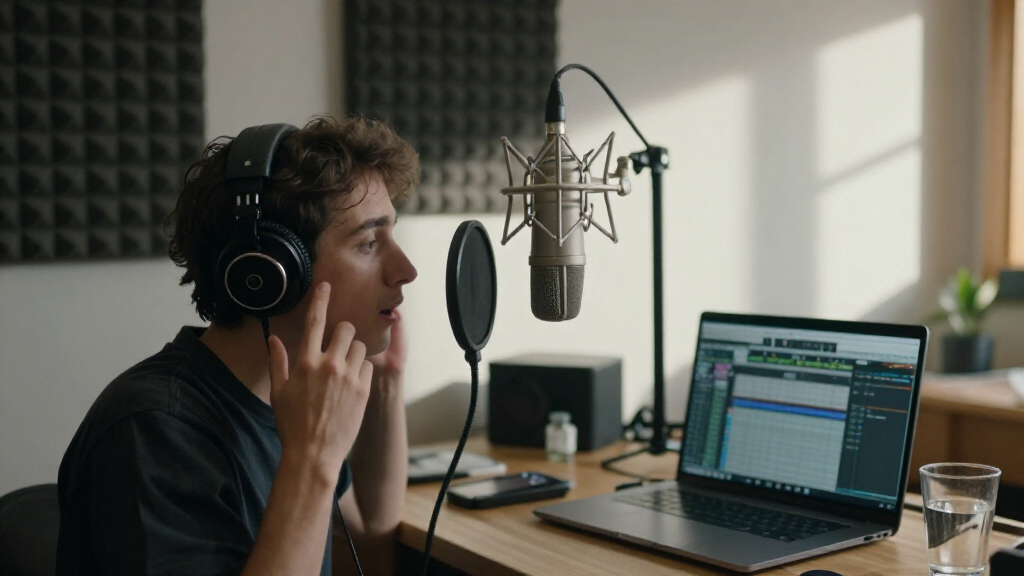

🔍 Read the full analysis: 10 Best Studio Condenser Microphones For AI Narration In 2027 on ThorstenMeyerAI.com

Get business pricing on office and shipping supplies
- Business-only prices and quantity discounts
- Tax-exempt purchasing
- Multiple users, one account, clear invoices
TL;DR
A supplied ThorstenMeyerAI.com roundup ranks 10 studio condenser microphones for voice recording, with the RØDE NT1 5th Generation at No. 1 for its USB-C and XLR connections. The guide also compares budget USB kits, XLR models and room-noise tradeoffs, but it does not provide independent 2027 test results or establish that any microphone is specifically optimized for AI narration.
ThorstenMeyerAI.com’s supplied buyer’s guide ranks 10 studio condenser microphones for voice recording, naming the RØDE NT1 5th Generation its top pick because it supports both USB-C and XLR. The list also weighs self-noise, pickup patterns and included accessories—factors that can affect narration quality and setup costs—but the source does not document a new 2027 testing process or show that the models were evaluated specifically with AI narration software.
The guide places the RØDE NT1 5th Generation first for its hybrid connections, allowing direct computer use over USB-C or connection to an audio interface by XLR. It identifies the Audio-Technica AT2020 as a lower-cost XLR option and the Shure SM4 as a choice for recording in rooms where sound reflections are a concern. These are the source’s recommendations, not independently verified rankings; for another studio condenser microphone comparison, see the related guide.
The remaining listed models are the RØDE NT1 Signature Series, Audio-Technica AT2035, AKG P120, FIFINE T669 and MAONO A04. The source discusses ten microphones overall, but the supplied text does not identify or explain two additional models in its excerpts. It also says the budget FIFINE and MAONO USB kits include accessories such as a boom arm and pop filter, while warning that higher self-noise may make them less suited to quiet, critical recordings. See also this overview of studio condenser options for AI voices.
The guide says it considered sound quality, self-noise, durability, connectivity and included accessories, as well as usability for different recording needs. It gives no complete model-by-model scorecard, test measurements, prices or date-stamped availability in the supplied material. Its reference to microphones for AI narration is best read as a use case for voice capture; the text does not describe microphones that generate or process AI speech.
The 10 picks
- 1
 Shure SM4 XLR Studio Condenser Microphone Kit for RecordingView on Amazon →
- 2
 RØDE NT1 5th Generation Studio Condenser Microphone with XLR and USB‑CView on Amazon →
- 3
 RØDE NT1 Signature Series Studio Condenser Microphone – BlackView on Amazon →
- 4
 RØDE NT1 Signature Series Studio Condenser Microphone – RedView on Amazon →
- 5
 Audio-Technica AT2035 Cardioid Condenser MicrophoneView on Amazon →
- 6
 Audio-Technica AT2020 Cardioid Condenser Studio XLR Microphone, BlackView on Amazon →
- 7
 AKG Pro Audio P120 2/3-Inch Diaphragm Condenser MicrophoneView on Amazon →
- 8
 MAONO A04 Gen2 XLR/USB Condenser Microphone Kit for PC Podcast RecordingView on Amazon →
- 9
 FIFINE T669 Studio Condenser USB Microphone Kit with Boom ArmView on Amazon →
- 10
 Mackie EM-91C Large-Diaphragm Condenser MicrophoneView on Amazon →
The Setup Can Shape Narration Quality
For narration workflows, the microphone is only one part of the recording chain. Room reflections, computer noise and plosive sounds can affect a voice recording before it is edited or passed into an AI tool. A cardioid microphone may reduce sound arriving from the sides and rear, but it cannot correct a noisy room or replace careful placement and acoustic treatment.
Connectivity can also affect what a buyer needs to purchase. A USB microphone can connect directly to a computer, while an XLR model generally needs an audio interface or mixer. The NT1 5th Generation’s two connection options, as described by the source, offer more setup flexibility. Starter kits may include accessories that reduce initial purchases, though the guide’s claims about comparative value are not accompanied by price comparisons.
Products Worth Considering

Logitech MX Ergo S Advanced Wireless Trackball Mouse USB-C – Graphite

Dell UltraSharp U2724DE 27-Inch WQHD IPS Black Monitor
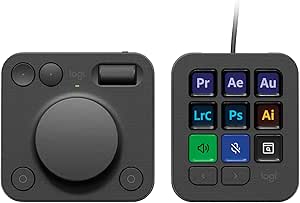
Logitech MX Creative Console with 9 Customizable Keys, Graphite
As an affiliate, we earn on qualifying purchases.
How the Guide Ranks Its Picks
The supplied material says the ranking prioritizes versatility and long-term value, including whether a microphone has both connection types or comes with useful accessories. It also considers self-noise, measured in dB(A), describing lower figures as preferable for quiet vocals. The guide says values below 10 dB are found on some named models, while budget microphones may be around 18–20 dB; the provided text does not include a full specification table or explain how those figures were checked.
Its practical distinctions are between USB convenience and XLR upgrade paths, and between quiet-source performance and lower upfront cost. These criteria may help narrow choices, but the source acknowledges that its order reflects both specifications and subjective listening preferences. No controlled listening methodology or independent laboratory testing is supplied.
What the Source Does Not Verify
The supplied source text does not establish the guide’s publication date, whether each microphone was tested during 2027, or the full identities and ranking positions of all ten picks. It also provides no direct quotes from manufacturers, engineers or independent reviewers. Claims such as the NT1’s top ranking, the SM4’s room-rejection advantage and the budget kits’ limitations should therefore be treated as the guide’s assessments, not settled findings.
It is also unclear whether “AI narration” means recording a human voice for later processing, creating a voice dataset, or using another narration workflow. The source offers general voice-recording advice but does not compare compatibility with particular AI platforms, software or voice-cloning requirements. Prices and current product availability are not given.
Check Specs Before Buying
Readers comparing these microphones should check current manufacturer specifications, connection requirements, accessory contents and local pricing before choosing. For a narration setup, the next practical step is to assess the recording space and decide whether direct USB connection or an XLR interface better fits the workflow. The source does not announce a follow-up test or a date for updated rankings, so any claim that the list reflects current 2027 market conditions remains unconfirmed.
Key Questions
Which microphone does the guide rank first?
The supplied guide names the RØDE NT1 5th Generation its top pick, citing its USB-C and XLR outputs. That ranking is the source’s assessment, not an independently verified result.
Are these microphones specifically tested for AI narration?
The supplied text does not describe tests with AI narration software. It discusses general voice recording and microphones that could be used to capture narration.
Which listed options connect directly to a computer?
The guide describes the RØDE NT1 5th Generation as offering USB-C as well as XLR, and identifies the FIFINE T669 and MAONO A04 as USB kits. Buyers should confirm the current connection details with manufacturers.
What does self-noise mean for voice recording?
Self-noise is noise produced by the microphone itself, measured in dB(A). The guide says lower self-noise can matter more for quiet performances, but the supplied material does not provide verified measurements for every model.
Does the supplied source identify all 10 ranked microphones?
No. It names eight models in the supplied text and refers to a ten-microphone roundup, but the excerpts do not identify two of the picks or provide a complete ranking table.
Source: ThorstenMeyerAI.com