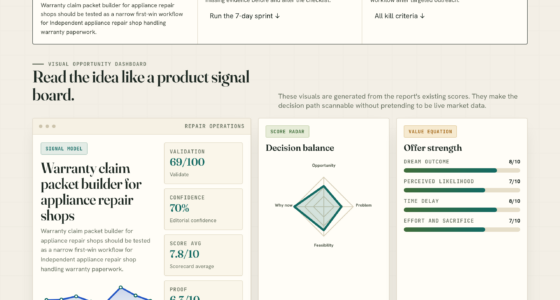
📊 Full opportunity report: How To Organize Staff At A Phone-Free Venue on IdeaNavigator AI — validation score, market gap, and execution plan.

Get business pricing on office and shipping supplies
- Business-only prices and quantity discounts
- Tax-exempt purchasing
- Multiple users, one account, clear invoices
TL;DR
IdeaNavigator AI has outlined a proposed operations tool for phone-free venues, covering check-in, medical and on-call exceptions, pouch inventory and logged emergency unlocks. The concept has not been reported as a launched product; its proposed test is a pilot at five venues and three schools.
IdeaNavigator AI has proposed an operations tool for phone-free shows, comedy clubs, schools and courts that use locking phone pouches, focusing on check-in, exception handling and emergency unlocks. The proposal, outlined on IdeaNavigator AI’s website, is a product concept, not a confirmed launch: it recommends pilots at five venues and three schools before judging whether the tool improves on existing improvised processes.
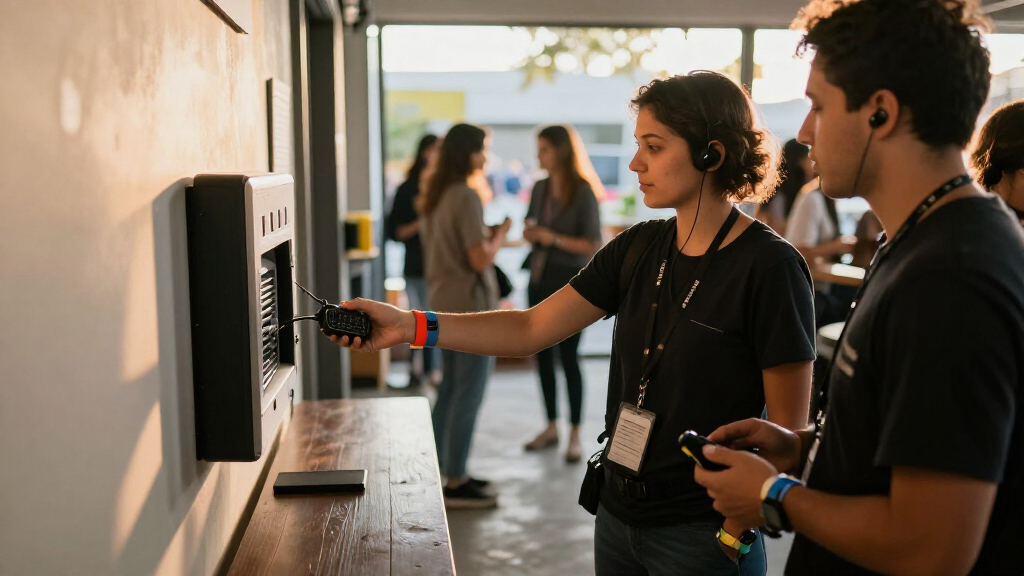
According to the concept description published by IdeaNavigator AI, the proposed minimum product would combine a check-in flow with a registry for exceptions, including medical needs and people who must remain on call. It would also track pouch inventory, provide designated emergency-unlock stations with logged reasons, and generate post-event operations reports. The concept is described as hardware-agnostic, so it could work alongside different pouch systems rather than requiring one manufacturer’s equipment.
IdeaNavigator AI identifies lost-pouch incidents, delays when someone needs an exception, bottlenecks at emergency-unlock points and re-entry lines as potential operating problems. These are issues raised in the proposal, not findings from a published survey or independently verified incident data.
For validation, IdeaNavigator AI proposes comparing the pilot sites’ exception-handling time and completeness of incident logs with their current processes. The proposal suggests charging customers per event or through a per-site subscription. It provides no pricing, product vendor, pilot participants or measured results.
Managing Phone-Free Entry and Exceptions
Phone-free rules depend on more than locking devices away. Staff must explain the process, identify legitimate exceptions, keep track of pouches and respond when a participant needs access. IdeaNavigator AI’s proposal argues that a shared operating system could, if it works as proposed, give teams a consistent way to handle those tasks rather than relying on manual workarounds at each event or site.
The practical stakes are especially visible at entry and re-entry. Delays can frustrate attendees and create extra demands on staff; an unclear exception process can also make it harder to respond promptly to a medical or urgent communication need. The proposal’s emphasis on logged unlock reasons and post-event reports would make it possible to review how exceptions were handled, though no evidence yet shows that the proposed tool reduces queues or incidents.
For venue and school operators, the idea is therefore an operational test rather than a proven remedy. Its value would depend on whether the software fits existing pouch procedures, is straightforward for staff to use, and improves measurable outcomes enough to justify a per-event or per-site fee.
As an affiliate, we earn on qualifying purchases.
Pouch Rules Create Staff Work
IdeaNavigator AI’s proposal identifies phone-free settings across live shows, comedy clubs, schools and courts, where operators may use locking pouches to restrict access to phones. It frames the market opportunity around the work that accompanies those policies: issuing and collecting pouches, recording exceptions, resolving problems and documenting incidents.
IdeaNavigator AI describes phone-free mandates as spreading across these settings, but provides no adoption figures, dates, named policies or market-size estimate. The proposal also does not identify a specific pouch manufacturer or claim that all operators use the same equipment. Its hardware-agnostic approach is intended to accommodate that variation.
The suggested pilot is the next step in the concept’s development. IdeaNavigator AI proposes testing at five venues and three schools to create an initial basis for comparing workflows, but does not specify the sites, test duration, measurement method or what level of improvement would count as success.
emergency unlock station for phone pouches
As an affiliate, we earn on qualifying purchases.
As an affiliate, we earn on qualifying purchases.
Pilot Results Are Not Available
IdeaNavigator AI’s concept description reports no product launch or completed pilot. It names no participating venues or schools and provides no operational data, customer interviews, pricing details or independent assessments of demand. The proposal does not establish how common lost-pouch incidents, emergency-unlock delays or re-entry queues are across phone-free settings.
It is also unclear how the proposed exception registry would protect sensitive medical information, who could access incident records, or how the system would work during technical outages. Those questions matter because the tool would handle operational records and potentially sensitive exceptions. The proposal does not set out privacy safeguards, staffing requirements, integration details or a timeline.
Until a pilot is conducted and its methods and results are reported, claims about faster handling or more complete records remain proposed outcomes, not established benefits.
As an affiliate, we earn on qualifying purchases.
Measure the Proposed Pilot
IdeaNavigator AI’s proposal identifies a pilot involving five venues and three schools as the next step. Operators would compare the time needed to handle exceptions and the completeness of incident logs against the improvised processes they use now. A useful account of the results would also identify the pilot period, how those measures were recorded, and whether different pouch systems affected performance.
No schedule or commitment from participating sites is reported in the proposal. If testing proceeds, operators would also need to determine whether staff can use the check-in and unlock workflows reliably, how records are managed, and whether any measured improvements support the proposed per-event or per-site pricing. Until those details are available, the concept remains at the validation stage.
Source: IdeaNavigator AI
staff exception handling tools for events
As an affiliate, we earn on qualifying purchases.
As an affiliate, we earn on qualifying purchases.
Key Questions
Has the phone-free venue operations tool launched?
No launch is reported. IdeaNavigator AI’s proposal describes a product concept and recommends pilot testing; it does not name a released product or launch date.
What would the proposed tool do?
As described in IdeaNavigator AI’s proposal, it would coordinate pouch check-in and inventory, record medical or on-call exceptions, log emergency unlocks and produce post-event reports.
Where is the tool intended to be used?
IdeaNavigator AI identifies operators of phone-free shows, comedy clubs, schools and courts that use locking phone pouches as its proposed users.
How would the idea be tested?
IdeaNavigator AI proposes pilots at five venues and three schools, measuring exception-handling time and incident-log completeness against current processes. No pilot results or schedule are reported.
What remains unknown about the proposal?
The proposal provides no reported pricing, participating customer list, privacy plan, technical detail or evidence that the tool reduces delays or incidents. Its effectiveness remains untested.
Source: IdeaNavigator AI
Fall Picks
fall essentials
As an affiliate, we earn on qualifying purchases.