
TL;DR

Get business pricing on office and shipping supplies
- Business-only prices and quantity discounts
- Tax-exempt purchasing
- Multiple users, one account, clear invoices
A Swiss National Bank working paper by Severin Joho and Enzo Rossi analyzes 1,063 speeches by senior SNB officials from 1928 through 2024. It reports more frequent, shorter and more accessible speeches over time, alongside a shift in policy discussion toward inflation in the flexible exchange-rate era.
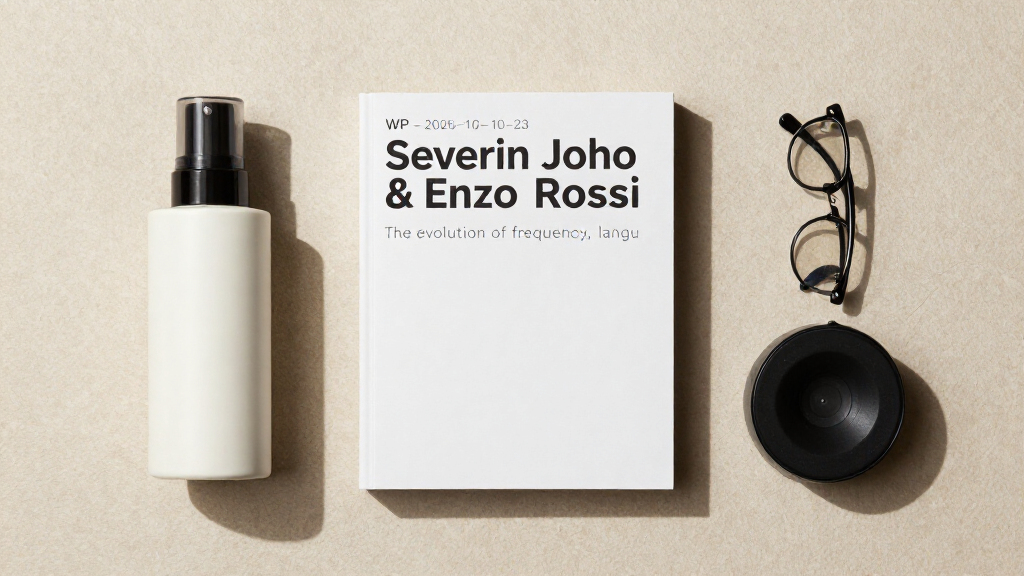
Severin Joho and Enzo Rossi have published a Swiss National Bank working paper analyzing 1,063 speeches by senior bank officials from 1928 to 2024. The study tracks how speech frequency, length, readability and policy themes changed over nearly a century, and compares conventional Python-based text analysis with ChatGPT-assisted analysis.
The authors report that the annual number of SNB speeches rose from the mid-1950s onward, with a sharper increase after Switzerland moved to flexible exchange rates. They also find a long-term shift toward shorter speeches and language that has become more accessible since the 1960s. The paper describes these as patterns in the historical corpus; it does not say that every speech followed the same trend.
The study also identifies a change in subject matter. In the flexible exchange-rate era, inflation became more prominent in the bank’s discourse, while cyclical economic development and unemployment received less emphasis. The authors use both quantitative measures and thematic analysis to examine these changes, according to the SNB’s working-paper summary.
Alongside the historical findings, the paper discusses methods for analyzing central-bank communication. It compares deterministic Python frameworks with probabilistic language models such as ChatGPT and argues that the approaches can complement each other. The authors also flag algorithmic pitfalls and open questions for future research.
How SNB Communication Changed
The results offer a long-run view of how a central bank communicates with the public and how its policy vocabulary has shifted. More frequent and more accessible speeches may affect how often officials explain policy and how readily audiences can follow that language. The paper documents the trends but, from the supplied summary, does not establish that changes in speech style caused changes in public understanding or policy outcomes.
The thematic shift also provides historical context for the SNB’s communication about its mandate and economic conditions. The prominence of inflation in the flexible-rate period contrasts with the reduced relative attention to cyclical developments and unemployment in the analysis. For researchers, the comparison of text-analysis methods matters because conclusions about institutional communication can depend on how documents are processed and categorized.
Python natural language processing books text analysis
As an affiliate, we earn on qualifying purchases.
As an affiliate, we earn on qualifying purchases.
A Century of SNB Speeches
The dataset covers speeches delivered by high-ranking SNB officials between 1928 and 2024. That span includes distinct monetary-policy and exchange-rate environments, allowing the authors to compare communication across different periods rather than treating current speech practices as a fixed standard.
The paper identifies the move to flexible exchange rates as an important point in the speech-frequency trend and uses the flexible-rate era to describe the changing prominence of inflation. The source summary does not provide a detailed chronology of the exchange-rate transition or numerical year-by-year counts, so the findings are best read as broad historical patterns reported by the authors.
“The frequency of annual speeches has followed an upward trajectory since the mid-1950s, accelerating notably after the transition to flexible exchange rates.”
— Severin Joho and Enzo Rossi, according to the SNB working-paper summary
computational text analysis for social science research book
As an affiliate, we earn on qualifying purchases.
As an affiliate, we earn on qualifying purchases.
Limits of the Reported Findings
The supplied summary does not give the detailed measurements behind the findings, including yearly speech counts, average lengths, readability scores or the size of the thematic shifts. It also does not specify how speeches were selected, how themes were defined, or how closely the Python and ChatGPT results agreed. Those details are needed to assess the scale and robustness of individual results.
The findings describe patterns in speeches, not necessarily changes in the SNB’s policy decisions, public reception or the views of all audiences. The source summary notes algorithmic pitfalls and open research questions but does not list them individually. It is also unclear from the summary which ChatGPT version or prompts were used and how outputs were checked.
central banking monetary policy history book
As an affiliate, we earn on qualifying purchases.
As an affiliate, we earn on qualifying purchases.
Further Testing of Text Methods
The working paper points to future research questions about using large language models to study central-bank communication. A fuller assessment will depend on the paper’s detailed methods and results, including how researchers can test model outputs against reproducible, rule-based measures and guard against algorithmic errors.
The dataset ends in 2024, so the reported analysis does not cover later speeches. The source material does not announce a follow-up study or a new SNB communication policy. For now, the next step for readers and researchers is to consult the full working paper for its measures, validation approach and the evidence supporting each historical comparison.
ChatGPT and large language models for research guide
As an affiliate, we earn on qualifying purchases.
As an affiliate, we earn on qualifying purchases.
Key Questions
What did the SNB working paper study?
It examined 1,063 speeches by high-ranking Swiss National Bank officials from 1928 to 2024, analyzing their frequency, length, readability and themes.
Who wrote the paper?
The authors are Severin Joho and Enzo Rossi. The SNB lists the research as a working paper.
What changes in speeches did the authors report?
The paper reports that speeches became more frequent from the mid-1950s, with a sharper rise after the move to flexible exchange rates. It also finds a shift toward shorter speeches and more accessible language over time.
How did the policy themes change?
According to the authors’ summary, inflation became more prominent in the flexible exchange-rate era, while cyclical economic development and unemployment received less emphasis.
What remains unknown from the summary?
The summary does not provide the detailed scores, year-by-year figures or full comparison between Python-based analysis and ChatGPT. It also does not specify the exact model setup or how each result was validated.
Source: primary
Fall Picks
fall essentials
As an affiliate, we earn on qualifying purchases.