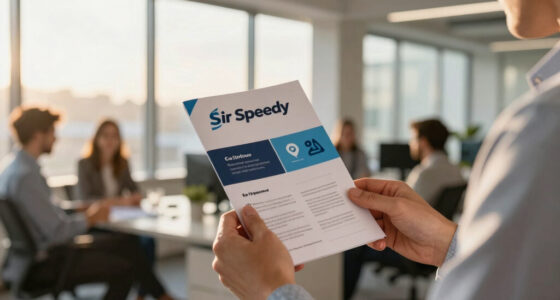
Teaming up with fellow sellers for collaborative events can markedly boost your turnout by pooling resources, attracting larger audiences, and creating memorable experiences. When you partner with complementary vendors targeting similar audiences, you expand your reach and share promotional efforts across social media, email, and local channels. Unique event ideas, engaging displays, and consistent branding help make your event stand out. To discover more strategies for successful partnerships, keep exploring how these collaborations can transform your events beyond expectations.

Get business pricing on office and shipping supplies
- Business-only prices and quantity discounts
- Tax-exempt purchasing
- Multiple users, one account, clear invoices
Key Takeaways
- Partner with complementary sellers targeting similar audiences to expand reach and attract larger crowds.
- Develop cohesive branding and messaging across all promotional channels to enhance event recognition.
- Share responsibilities like marketing, setup, and entertainment to streamline logistics and reduce workload.
- Incorporate engaging elements such as themed displays and interactive activities to create memorable experiences.
- Build community relationships to foster future collaborations and strengthen long-term success.

Have you ever wondered how bringing people together can create more impactful and memorable experiences? When you team up with fellow sellers for a collaborative event, you tap into the power of partnership strategies and shared resources. Instead of going it alone, you combine your strengths to draw larger crowds, generate buzz, and leave a lasting impression. One of the key elements in making such events successful is carefully planning your partnership strategies. You want to align with sellers who complement your offerings and share your target audience. This synergy not only broadens your reach but also enhances the overall event experience. From co-hosting workshops to joint product launches, synergizing efforts allows everyone involved to benefit.
Event branding plays a pivotal role in this process. When you work with partners, it’s essential to develop a cohesive and compelling brand message that represents all participants. Consistent branding across promotional materials, signage, and event activities helps attendees recognize the collaborative effort and understand its value. It creates a unified identity that stands out in a crowded marketplace, making your event more memorable. You should leverage your collective networks to amplify your event branding efforts through social media, email campaigns, and local outreach. The more cohesive and recognizable your branding, the higher the chances of attracting a bigger audience.
Cohesive branding across all channels makes your event memorable and attracts a larger, engaged audience.
Furthermore, collaboration encourages creative event ideas that might not emerge when working alone. You can brainstorm unique concepts that appeal to a broader demographic, such as themed markets, interactive demonstrations, or educational sessions. These ideas make your event more engaging and encourage attendees to stay longer and participate actively. Sharing responsibilities also simplifies logistics, reducing individual workload and allowing for more innovative planning. By dividing tasks—like marketing, setup, and entertainment—you ensure everything runs smoothly without overwhelming one person or entity. Incorporating elements like rustic decor and engaging displays can also enhance the overall atmosphere and appeal to your target audience.
Finally, collaboration fosters community building, which is essential to long-term success. When you partner with other sellers, you build relationships that can lead to future collaborations, shared customer bases, and mutual support. These partnerships help establish your reputation as a team player dedicated to creating value for your audience. Overall, employing smart partnership strategies and focusing on effective event branding can turn a simple gathering into a memorable, impactful occasion that benefits everyone involved. When you bring people together with a clear purpose and unified message, you create more than just an event—you create an experience that resonates long after the doors close.
collaborative event display signage
As an affiliate, we earn on qualifying purchases.
As an affiliate, we earn on qualifying purchases.
Frequently Asked Questions
How Do I Find Suitable Partners for Collaborative Events?
You find suitable partners through targeted partnership outreach, focusing on sellers with complementary products or similar target audiences. Attend local networking events and join online communities to connect with potential collaborators. When planning your event, communicate your goals clearly and propose mutually beneficial ideas. Building strong relationships guarantees effective collaboration, making your joint event more engaging and successful. Always look for partners who share your vision and enthusiasm for event planning.
What Are Key Legal Considerations When Co-Hosting?
They say, “Better safe than sorry.” When co-hosting, you must draft clear contractual agreements to outline each party’s responsibilities and share liabilities. Guarantee liability protection is in place to shield against legal claims, and verify compliance with local laws. Always consult a legal professional to review your arrangements, so you’re covered on all fronts. This way, your collaboration stays smooth, and everyone’s interests are protected.
How Do I Split Costs and Profits Fairly?
To split costs and profits fairly, you should agree on a clear profit sharing plan upfront. Use transparent cost allocation methods to assign expenses proportionally, based on each seller’s contribution or agreed-upon terms. Regularly communicate and document all financial details to avoid misunderstandings. This approach guarantees both parties feel fairly compensated, encouraging a successful collaboration and maximizing the event’s potential for everyone involved.
What Marketing Strategies Work Best for Joint Events?
You should leverage social media to boost your joint event by creating engaging posts and stories that highlight the event’s value. Partner with influencers who align with your brand to expand your reach and attract more attendees. Collaborate with fellow sellers on content, share each other’s promotions, and use targeted ads to maximize visibility. This combined effort increases attendance and ensures your marketing efforts are more effective and far-reaching.
How Can I Measure the Success of Collaborative Events?
You can measure the success of collaborative events by analyzing event attendance to see if it meets your goals. Don’t forget to gather participant feedback, as it provides insights into their experience and satisfaction. Track engagement levels, sales, or leads generated during the event. Combining these metrics gives you a clear picture of how well your collaboration achieved its objectives and helps you improve future joint efforts.
As an affiliate, we earn on qualifying purchases.
Conclusion
By teaming up with fellow sellers, you create a powerful wave that lifts everyone. Collaboration turns a small event into a blooming garden of opportunity, where shared efforts blossom into bigger turnouts and stronger connections. Remember, together you’re not just adding your voices—you’re creating a symphony that resonates far beyond what you could achieve alone. So, embrace partnership, and watch your collective success grow like a mighty oak, rooted in unity and shared purpose.
As an affiliate, we earn on qualifying purchases.
co-branded promotional materials
As an affiliate, we earn on qualifying purchases.
As an affiliate, we earn on qualifying purchases.
Halloween Picks
halloween
As an affiliate, we earn on qualifying purchases.