
To avoid year-end surprises, it’s smart to set aside a portion of your income regularly for taxes. Create a dedicated savings account and consistently deposit money based on your estimated tax liability. This proactive approach helps prevent spending tax funds on other expenses and keeps you compliant with IRS rules. Staying ahead with planned payments reduces stress and penalties, ensuring you’re prepared when tax season comes around. Keep going to discover more tips on effective tax planning.
Key Takeaways
- Regularly estimate your tax liability and set aside a proportionate amount each month or quarter.
- Use a dedicated savings account for your tax funds to prevent spending them on other expenses.
- Make timely estimated tax payments to spread out your tax burden and avoid large year-end payments.
- Keep detailed records of income and deductible expenses to ensure accurate tax estimates.
- Review and adjust your savings and payments periodically to stay aligned with any income or tax law changes.

Have you ever wondered if you’re setting aside enough money for taxes? It’s a common concern, especially when you’re juggling multiple income sources or running your own business. Proper tax planning can help you stay ahead of the game, so you’re not caught off guard when tax season arrives. One of the most effective strategies is making estimated payments throughout the year. These payments are designed to cover your projected tax liability, reducing the risk of a hefty bill at year-end and avoiding penalties for underpayment.
Estimating your payments might seem tricky at first, but it’s actually straightforward once you understand your income and deductions. Start by reviewing your earnings from all sources—self-employment income, freelance gigs, investments, or side businesses. Then, consider your deductible expenses, like business supplies or home office costs, which can lower your taxable income. Based on this, you can calculate an estimated amount you should pay quarterly. The IRS provides guidelines and tools to help you figure out these payments accurately, and many tax software programs can assist you in estimating your liabilities. Making these payments on time keeps you compliant and spreads your tax burden evenly over the year, rather than forcing you to come up with a lump sum at tax time.
Additionally, understanding electric motor horsepower in electric bikes can give you insight into their performance capabilities, which can be useful when planning your budget for a new bike or considering transportation options. Adopting a proactive approach to tax planning means you’re less likely to face surprises. If you wait until the last minute to save for taxes, you might find yourself scrambling for funds or feeling overwhelmed. By setting aside a portion of your income regularly, you create a buffer that ensures you’re prepared. Consider opening a separate savings account dedicated solely to taxes. This way, you avoid the temptation to spend that money elsewhere and can easily track how much you’ve set aside.

TREES monthly bill payment checklist & Financial Planner Notebook – 4-Year Budget Organizer with 960 Bill Records, Income & Expense Tracker, Debt Payoff Log, and Savings Goals
1️⃣ Take Control of Your Finances – Easily set monthly financial goals and track your income, savings, debts,…
As an affiliate, we earn on qualifying purchases.
As an affiliate, we earn on qualifying purchases.
Frequently Asked Questions
How Often Should I Review My Tax Savings Plan?
You should review your tax savings plan at least quarterly to stay on track. Check your tax withholding and estimated payments regularly, especially if your income or financial situation changes. This way, you can make adjustments before the year-end, avoiding surprises. Staying proactive helps confirm you’re saving enough and avoiding penalties, so make it a habit to review and update your plan throughout the year.
What Tools Can Help Track My Tax Obligations?
You can use tax software like TurboTax or H&R Block to easily track your tax obligations, as they automatically calculate your liabilities based on your income and expenses. Additionally, expense tracking tools such as QuickBooks or Mint help you monitor deductible expenses throughout the year. These tools work together to give you a clear picture of your tax situation, helping you set aside the right amount and avoid surprises at year-end.
Are There Penalties for Underestimating Taxes?
Yes, there are penalties for underestimating taxes. If you don’t make enough estimated payments throughout the year, you could face a tax penalty. The IRS requires you to pay a certain percentage of your total tax liability via estimated payments; if you fall short, you’ll owe a penalty plus interest. To avoid this, guarantee your estimated payments are accurate and timely, keeping your tax obligations under control.
How Can I Adjust My Savings if My Income Changes?
When your income swings like a boat on choppy waters, you need to steer your savings accordingly. Track your income fluctuations closely, and if they rise, increase your savings to prevent a tidal wave of tax bills. Conversely, if they dip, ease back on your savings to stay afloat. Regularly review and adjust your tax stash, ensuring it stays in sync with your changing financial tide.
Should I Consult a Professional for Tax Planning?
You should definitely consult a professional for tax planning. A financial advisor or tax expert can provide valuable professional advice tailored to your income changes and financial goals. They help you optimize deductions, credits, and tax strategies, ensuring you set aside enough money for taxes throughout the year. This proactive approach minimizes surprises at year-end and keeps your finances on track, making tax planning more manageable and less stressful.

ComplyRight 2025 TaxRight Software Downloadable Card, State and Federal Tax Preparation Program
Use the fastest, most efficient solution for tax preparation for small businesses. This Download Card is Windows-compatible and…
As an affiliate, we earn on qualifying purchases.
As an affiliate, we earn on qualifying purchases.
Conclusion
By setting aside money for taxes throughout the year, you greatly reduce the risk of unpleasant surprises come tax season. Some believe that waiting until the last minute to save is a smart strategy, but evidence shows consistent planning minimizes stress and potential penalties. Think of it as investing in peace of mind—you’ll thank yourself when tax time arrives and you’re not scrambling to cover what you owe. Stay proactive, and you’ll keep your finances on solid ground.
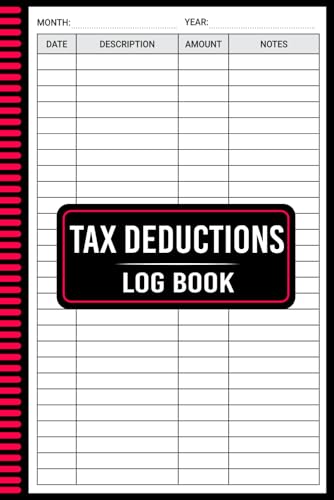
Tax Deductions Log Book: The Ultimate Tool for Tracking Business Expenses and Maximizing
As an affiliate, we earn on qualifying purchases.
As an affiliate, we earn on qualifying purchases.

Faccito 2 Pack Yearly Tax Organizer 13" x 9.7" Tax Record Organizer with 12 Pockets Spiral Bound Income Folders Monthly Bill Receipt for Home Office Taxes
Sufficient Quantity: you will receive 2 annual tax organizers to organize and store important tax records
As an affiliate, we earn on qualifying purchases.
As an affiliate, we earn on qualifying purchases.