📊 Full opportunity report: The Memory Squeeze: Why Your RAM Bill Doubled on ThorstenMeyerAI.com — validation score, market gap, and execution plan.

Get business pricing on office and shipping supplies
- Business-only prices and quantity discounts
- Tax-exempt purchasing
- Multiple users, one account, clear invoices
TL;DR
RAM prices have doubled in 2026, driven by a shift in chip capacity toward AI applications. Major manufacturers prioritize high-margin HBM over consumer DRAM, creating shortages and higher costs for consumers.
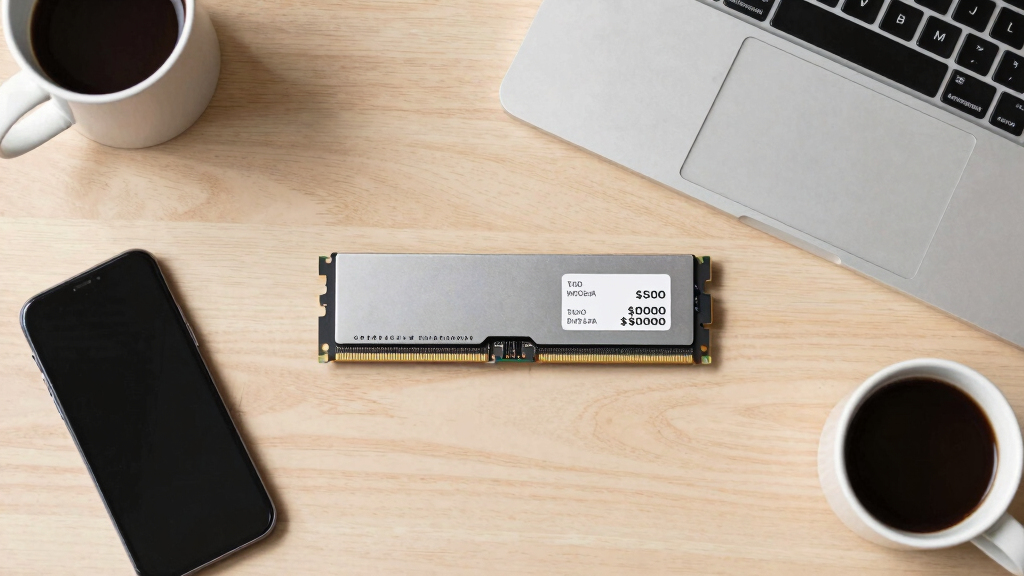
Memory prices have doubled in 2026, with the cost of 32GB DDR5 kits soaring from around $120 to nearly $375, and 64GB kits rising above $600. This sharp increase affects consumers and PC builders, as RAM now accounts for a larger share of overall build costs, according to industry reports.
The primary driver of this surge is a shift in manufacturing capacity by major DRAM producers—Samsung, SK Hynix, and Micron—who are reallocating wafer production from consumer DDR5 memory to high-margin HBM modules used in AI hardware. HBM modules, which sell for $60–$100 each, are far more profitable than standard DDR5, which fetches only $5–$10 per module. This reallocation is not temporary; it reflects a strategic choice to prioritize AI-related products.
Because HBM consumes three to four times the wafer area of DDR5, the shift results in a reduction of available consumer memory—with HBM now representing roughly 23% of total DRAM wafer output, up from 19% a year earlier. AI applications are projected to absorb about 20% of all DRAM capacity in 2026, intensifying the shortage. Unlike past cycles, this is not a supply hiccup that can be quickly remedied by building more fabs, as capacity growth remains below historical norms and new facilities won’t be operational until 2027–2028.
Industry behavior also contributes; suppliers are intentionally managing scarcity by limiting capacity expansion, favoring high-margin products, and maintaining record profits. Learn more about industry trends. Large buyers, including hyperscalers, have placed open-ended, high-volume orders, and many manufacturers have locked in multi-year contracts, effectively removing excess supply from the consumer market. Consequently, the supply-demand imbalance persists, and prices continue to escalate.
Why your RAM bill doubled
“Doubled” is the polite version — consumer DRAM is running 3–6× its 2024 lows. The boom-bust cycle that always brought cheap RAM back isn’t coming this time, because the factories that make your RAM now make something far more profitable instead.
HBM
This is the quiet tax on the whole AI era. Relief isn’t forecast before 2028, and even then prices may settle 30–50% above pre-crisis levels. Buy what you genuinely need now; don’t panic-buy capacity you won’t use. You can’t out-wait the fab math — but, as this series will show, you can shrink what you need. Next: HBM Ate the Fab.
Impacts of the Memory Price Increase on Consumers and Industry
The sustained rise in RAM prices has immediate and long-term implications for consumers, PC manufacturers, and the broader tech industry. Consumers face higher costs for new devices, with some companies passing on the increased expenses through price hikes. PC builders report RAM now being the most expensive component in many configurations, affecting overall affordability and upgrade cycles.
For the industry, the shift toward AI hardware signifies a fundamental change in manufacturing priorities. The move away from consumer-grade memory toward specialized HBM modules indicates a longer-term realignment of chip production, potentially leading to persistent shortages and higher prices for standard DRAM. This could influence product availability, innovation timelines, and the competitive landscape of memory suppliers.
As an affiliate, we earn on qualifying purchases.
2026 Memory Market Shifts and Past Shortages
Historically, memory shortages have been cyclical, with prices rising during supply constraints and falling when capacity catches up. Past shortages often prompted manufacturers to expand capacity, flooding the market and reducing prices. However, this cycle is disrupted in 2026 by a deliberate reallocation of wafer capacity toward AI applications, driven by the higher profitability of HBM modules.
Major DRAM producers—Samsung, SK Hynix, and Micron—control approximately 95% of the market and have faced scrutiny for past collusion, though current price increases are attributed to strategic capacity decisions rather than collusion. The demand from hyperscalers and enterprise buyers, who have committed to long-term, high-volume contracts, further exacerbates the scarcity for consumer markets.
“Our focus is on serving enterprise AI markets with high-margin products, which impacts the availability and price of consumer memory.”
— A representative from Micron
As an affiliate, we earn on qualifying purchases.
Unresolved Questions About Memory Market Dynamics
It remains unclear whether the current high prices are solely due to capacity reallocation or if there is any underlying collusion or market manipulation. While no recent antitrust actions have been filed, the high market concentration and past collusion cases raise questions about the true drivers of pricing. Additionally, the pace of capacity expansion and whether new fabs will meaningfully alleviate shortages before 2027 remains uncertain.
As an affiliate, we earn on qualifying purchases.
Future Developments in Memory Supply and Pricing
Manufacturers are expected to continue prioritizing high-margin AI hardware, with capacity increases likely delayed until 2027–2028. Consumers and PC builders should prepare for sustained high prices and potential shortages. Market analysts will monitor capacity expansions, contract commitments, and technological advancements that could influence supply dynamics. Additionally, the industry’s response to growing demand for AI and enterprise applications will shape the memory landscape in the coming years.
As an affiliate, we earn on qualifying purchases.
Key Questions
Will RAM prices ever return to pre-2026 levels?
It is uncertain. Prices are currently driven by strategic capacity shifts toward AI hardware, and unless manufacturers increase consumer DRAM capacity significantly, prices may remain elevated for years.
What can consumers do to mitigate high RAM costs?
Consumers can consider purchasing during sales, opting for used or refurbished modules, or delaying upgrades until supply stabilizes. Long-term contracts by large buyers suggest prices may stay high in the near term.
Are there alternative memory options for PC builders?
DDR4 remains available but is nearing end-of-life, and DDR5 is now similarly priced. No significant alternative memory technology currently exists that can replace DDR5 at scale.
How long will this memory shortage last?
Manufacturers expect capacity increases to be realized around 2027–2028, but the ongoing strategic focus on AI hardware suggests shortages could persist beyond that timeframe.
Source: ThorstenMeyerAI.com
Halloween Picks
halloween
As an affiliate, we earn on qualifying purchases.