
Creating exclusive products or limited editions is a powerful way to boost sales through scarcity. When you offer limited quantities or time-sensitive releases, you tap into buyer psychology by fueling a sense of urgency and exclusivity. Customers perceive these items as more valuable, which drives demand and faster decisions. This strategy also elevates your brand’s prestige and fosters loyalty. Keep exploring to discover how to effectively implement this approach and maximize its benefits.
Key Takeaways
- Limited editions create urgency, prompting quicker customer decisions and increasing sales.
- Scarcity elevates perceived product value, making items seem more exclusive and desirable.
- Offering exclusive products fosters brand prestige and builds customer loyalty through perceived rarity.
- Limited releases tap into emotional triggers like FOMO, boosting demand and engagement.
- Strategically using scarcity differentiates brands in crowded markets, enhancing overall market positioning.

Limited editions and scarcity have become powerful tools in shaping consumer desire and driving demand. When you see a product labeled as “limited edition,” it immediately sparks curiosity and a sense of exclusivity. This strategy taps directly into customer psychology, making buyers feel like they’re part of an elite group with access to something special. As a marketer or brand owner, you understand that effective branding strategies leverage this desire for rarity, turning ordinary products into coveted treasures. Scarcity creates an emotional response—fear of missing out (FOMO)—which compels customers to act quickly rather than delaying their purchase. It’s a clever way to elevate a product’s perceived value and motivate immediate sales.
Limited editions spark exclusivity and FOMO, transforming ordinary products into coveted treasures that drive immediate customer action.
By intentionally limiting availability, you influence how consumers perceive the worth of your products. When products are scarce, they’re seen as more desirable, often because people believe that limited supply equals higher quality or prestige. This perception is rooted in customer psychology, where scarcity increases urgency and amplifies the product’s allure. When you communicate that a product is available only for a short time or in limited quantities, you’re not just informing; you’re creating a sense of urgency that prompts faster decision-making. This psychological trigger can profoundly boost sales, especially if your branding strategies emphasize the exclusivity and uniqueness of your offerings.
Incorporating scarcity into your branding strategies isn’t just about limiting stock; it’s about crafting an image of desirability, rarity, and value. You can achieve this through limited releases, special editions, or time-sensitive offers that make customers feel privileged to own something exclusive. This approach also helps you stand out in a crowded marketplace, as consumers are more likely to remember and seek out brands that provide unique, limited-time experiences. The psychology behind this is straightforward: people tend to assign higher value to things that are hard to obtain. When you combine scarcity with compelling storytelling or branding, you elevate the product’s status even further, encouraging loyalty and repeat purchases. Additionally, understanding how consumer perception is affected by product scarcity can help you optimize your marketing strategies for maximum impact.
Ultimately, understanding customer psychology and integrating it into your branding strategies allows you to harness scarcity effectively. It transforms your products from commodities into desirable collectibles, creating a sense of urgency that drives immediate sales. When done correctly, limited editions and scarcity not only increase revenue but also build brand prestige, fostering a loyal customer base that values the exclusivity you offer. This delicate balance between supply and perceived value is what makes scarcity such a powerful tool in your marketing arsenal.

ASUS ROG Limited Special Edition Kojima Productions Flow Z13 13.4" 2.5K WQXGA IPS 180Hz Touchscreen Detachable Copilot+ PC 2-in-1 Gaming Notebook AMD Ryzen AI MAX+ 395 128GB RAM 1TB SSD Decennium Gold
Release Year: 2026
As an affiliate, we earn on qualifying purchases.
As an affiliate, we earn on qualifying purchases.
Frequently Asked Questions
How Can I Verify the Authenticity of Limited Edition Products?
You can verify the authenticity of limited edition products by checking for official authenticity verification methods, such as certificates, holograms, or serial numbers. Always buy from reputable sources to prevent counterfeit issues. Research the brand’s specific indicators of authenticity, like unique markings or packaging. If unsure, contact the manufacturer directly or seek expert opinions. These steps help guarantee your purchase is genuine and prevent counterfeit prevention issues.
What Are the Best Marketing Strategies for Exclusivity?
You need to hit the nail on the head by emphasizing scarcity, which taps into consumer psychology and boosts brand loyalty. Use limited-time offers, exclusive previews, and VIP access to make your audience feel special. Highlight the unique value of your products, create a sense of urgency, and communicate the exclusivity clearly. These strategies make customers feel part of an elite group, encouraging them to act fast and stay loyal.
How Does Scarcity Impact Customer Perception Long-Term?
Scarcity boosts your brand’s perceived value, making customers see your products as more desirable and exclusive. This sense of urgency encourages initial purchases, but long-term, it builds brand loyalty when customers associate scarcity with quality and prestige. However, overusing scarcity can cause frustration or mistrust, so balance is key. When managed well, scarcity enhances your brand image, fostering ongoing loyalty and elevating how customers perceive your offerings.
Are Limited Editions More Profitable Than Regular Products?
Sure, limited editions are more profitable because they boost product valuation and manipulate consumer perception. You’ll find customers willing to pay a premium, thinking they’re snagging something rare. It’s like convincing them that scarcity equals value—who needs quality? This clever trick elevates short-term sales, but long-term, you risk damaging trust if customers see through the hype. Still, for quick profits, limited editions often outshine regular products.
How Can Brands Prevent Counterfeit Limited Editions?
You can prevent counterfeit limited editions by implementing strict authenticity verification measures, such as unique serial numbers or holograms. Use secure packaging and collaborate with trusted partners to enhance counterfeit prevention. Educate your customers on how to spot genuine products and encourage them to buy through official channels. Regularly monitor the market for fake versions, and respond swiftly to counterfeit issues to protect your brand’s integrity and exclusivity.
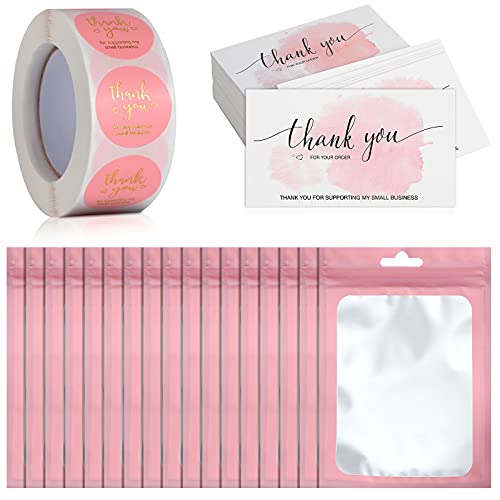
Outus 620 Pieces Thank Cards and Stickers Set Thank Gold Foil Stickers for Supporting My Small Business with Resealable Packaging Bag, Suitable for Business Owners (Pink)
Package includes: Thank Cards set including 100 pieces 3.5 x 2 inch Thank for supporting my small business…
As an affiliate, we earn on qualifying purchases.
As an affiliate, we earn on qualifying purchases.
Conclusion
By embracing limited editions and scarcity, you reveal a sales superpower that can skyrocket your brand’s desirability. When customers believe they’re about to miss out on something extraordinary, they’ll leap at the chance to own it—making your products feel more coveted than a treasure chest guarded by dragons. So, don’t just offer products; create an irresistible allure of exclusivity that turns casual browsers into loyal fans. Remember, scarcity isn’t just a tactic—it’s your secret weapon.
time-sensitive promotional offers
As an affiliate, we earn on qualifying purchases.
As an affiliate, we earn on qualifying purchases.

Scarcity Marketing Campaigns (Article): Your Guide to Building Scarcity Social Media and Email Marketing Campaigns
As an affiliate, we earn on qualifying purchases.
As an affiliate, we earn on qualifying purchases.