📊 Full opportunity report: Make Paperwork More Manageable With A Document Scanner on IdeaNavigator AI — validation score, market gap, and execution plan.

Get business pricing on office and shipping supplies
- Business-only prices and quantity discounts
- Tax-exempt purchasing
- Multiple users, one account, clear invoices
TL;DR
A product concept proposes a phone-based document scanner that uses text recognition to name, classify and file paperwork for small offices. The suggested next step is a one-week pilot with five organizations; no pilot results, product launch or measured accuracy figures are reported.
IdeaNavigator AI has proposed an auto-filing document scanner for small nonprofits, clinics and law offices, designed to turn photographed paperwork into searchable, organized files. The proposal calls for testing the product with five small offices before assessing whether its document classification works well enough and whether organizations would pay for it.
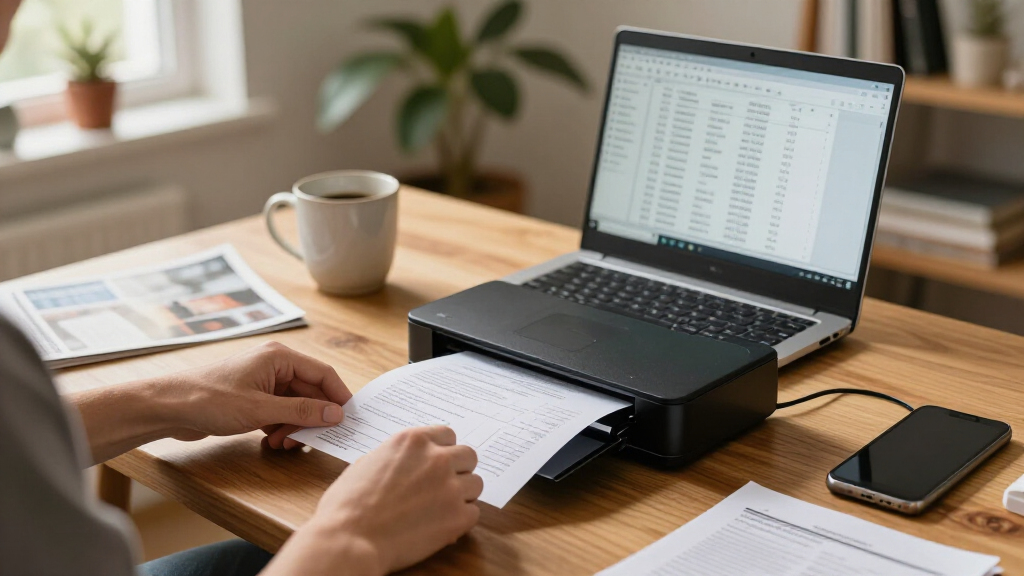
The planned minimum viable product would let a user photograph a stack of documents on a phone. The app would use optical character recognition (OCR) to read the pages, suggest a document category and filename, and save searchable PDFs in a shared folder. An example naming format is an invoice labeled with its date and vendor.
The proposed users are office managers at small nonprofits, clinics and law offices that handle substantial amounts of paper. IdeaNavigator AI describes a common operational problem: intake forms, invoices and records may accumulate in filing cabinets, while basic scanning apps can leave users with image files that are difficult to identify and search. These are problem statements in the proposal, not findings from a reported study.
To test the idea, the proposal recommends a one-week pilot involving five offices, with each office scanning a real backlog of 200 documents. The evaluation would track the share of documents classified correctly and whether participating organizations would pay per seat. The suggested business model is a monthly subscription priced per user, with a page-volume limit and additional charges for usage above that cap.
Filing Accuracy Is the Test
For a small office, a scanner that reliably identifies and files documents could reduce the time staff spend naming files, sorting records and searching through cabinets or folders. The proposed product addresses more than digitization: its value depends on whether scanned documents become searchable and consistently organized, rather than simply moving paper into a pile of electronic images.
That potential benefit is not yet demonstrated. If suggested categories or filenames are wrong, staff may need to review and correct the output, limiting any time savings. In clinics and law offices, documents may also contain sensitive personal information. The proposal does not specify how data would be stored, protected, shared or deleted, leaving a significant set of practical questions for organizations considering such a tool.
The pilot’s proposed measures reflect two separate tests. Classification accuracy would indicate whether the software can handle the documents it encounters; willingness to pay would offer an initial signal about demand. Neither measure alone would establish long-term reliability, compliance readiness or commercial viability.
Products Worth Considering

Canon PIXMA TR160 Wireless Portable Color Inkjet Printer

Dell XPS Tower 8960 Desktop, Intel Core i7-13700, NVIDIA GeForce RTX 4060, 16GB DDR5, 512GB SSD

Apple Mac mini Desktop Computer with M6 Chip (2026)
As an affiliate, we earn on qualifying purchases.
From Scanning to Filing
The concept is aimed at small organizations that may not have dedicated IT staff to configure document-management systems. It proposes using phone photography and OCR, along with layout-aware models, to extract text and suggest document types and filenames. The proposal says these technologies are now affordable and accurate enough for this use, but provides no benchmark data, vendor comparisons or test results to substantiate that assessment.
The product’s intended workflow differs from a basic scanning app: rather than saving unorganized page images, it would attempt to identify what each document is and place it in a shared, searchable repository. The idea remains at the proposal stage. No product name, developer, launch schedule or participating offices are identified in the available description.
Pilot Results Not Yet Available
No completed pilot, measured classification rate or customer feedback is reported. It is also unclear how the app would handle handwritten forms, poor-quality photographs, documents with multiple categories, or records that require human review. The proposal does not state what level of accuracy would count as acceptable or how the test would account for different document types across the five offices.
Key product and business details remain unspecified, including security controls, data storage, access permissions, integrations with existing office systems and the subscription price. The suggested page cap and overage pricing are a possible model, not announced terms. No evidence is provided that the proposed technology has been tested with sensitive records or that it meets any particular legal or regulatory requirements.
A Five-Office Trial Is Proposed
The next step outlined is a one-week pilot in five small offices. Each would scan 200 documents from an existing backlog, while the organizers measure correct auto-classification and ask whether participants would pay per seat. The description does not give a start date, identify trial participants or confirm that the pilot has been arranged.
If a trial takes place, useful reporting would include the accuracy results by document type, how often staff had to correct filenames or classifications, and how the tool handled sensitive information. Pricing and willingness-to-pay findings would also help establish whether the proposed subscription model fits small organizations. Until such results are reported, the scanner’s performance and market demand remain unverified.
Source: IdeaNavigator AI
Key Questions
What would the proposed scanner do?
It would let users photograph documents on a phone, use OCR to read them, suggest a category and filename, and save searchable PDFs to a shared folder.
Who is the product intended for?
The proposal targets office managers at small nonprofits, clinics and law offices with substantial paper records.
Has the scanner been tested?
No test results are reported. A one-week pilot with five offices, each scanning 200 documents, is proposed but not confirmed as underway.
How would the product make money?
The suggested model is a monthly per-seat subscription with a page-volume cap and additional charges for use above that limit. No prices are specified.
What remains unknown about the app?
Its accuracy, security arrangements, handling of difficult documents, integrations, price and customer demand have not been established in the proposal.
Source: IdeaNavigator AI