
TL;DR

Get business pricing on office and shipping supplies
- Business-only prices and quantity discounts
- Tax-exempt purchasing
- Multiple users, one account, clear invoices
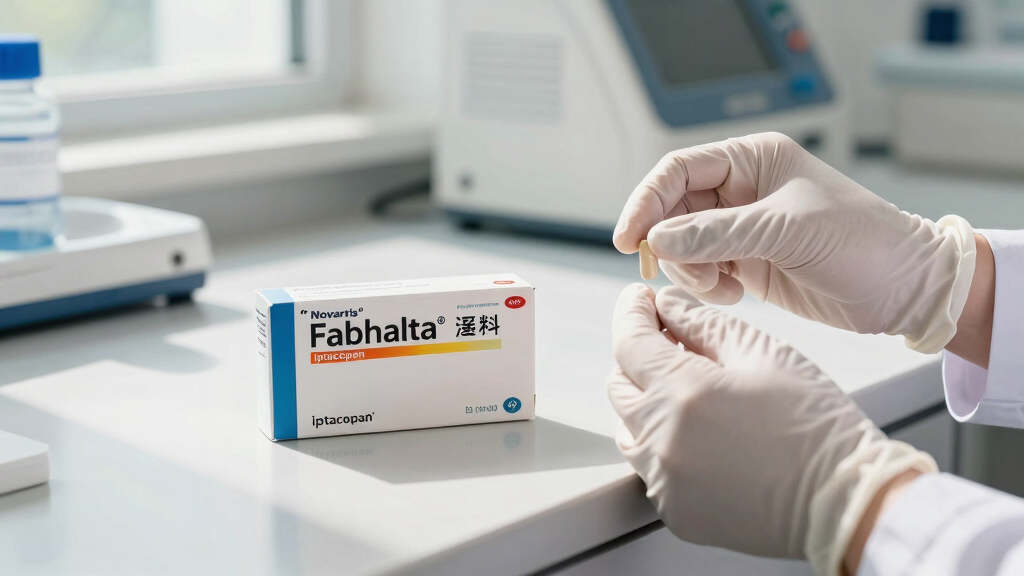
Novartis’ Fabhalta® (iptacopan) has received FDA traditional approval as the first drug of its kind to significantly slow kidney function decline in primary IgA nephropathy. This marks a major milestone in nephrology treatment.
Novartis’ Fabhalta® (iptacopan) has received FDA traditional approval for the treatment of primary IgA nephropathy (IgAN), making it the first and only complement inhibitor approved to significantly slow kidney function decline in this condition. This approval underscores a major advancement in nephrology and offers new hope for patients with this chronic kidney disease.
The FDA approval was based on results from the phase 3 PROTECT trial, which demonstrated that Fabhalta® (iptacopan) significantly slowed the decline in kidney function among patients with primary IgAN. The drug is now officially approved for adult patients with this disease, marking a milestone as the first complement pathway-targeting therapy to receive such approval. Novartis announced that the approval provides a new treatment option for a disease with limited existing therapies, potentially altering disease management and progression. The company stated that the approval was granted after a thorough review of clinical data, confirming the drug’s safety and efficacy profile.According to Novartis, Fabhalta® (iptacopan) works by inhibiting the complement pathway, which plays a key role in the progression of primary IgAN. The approval makes it the first drug of its kind to be approved through the traditional FDA pathway for this indication, emphasizing its significance in the therapeutic landscape.
Why FDA Approval Marks a Therapeutic Breakthrough in IgAN
This approval is a significant milestone because primary IgA nephropathy is a leading cause of kidney failure worldwide, with limited treatment options that can slow disease progression. The approval of Fabhalta® (iptacopan) introduces a novel mechanism of action—targeting the complement pathway—that could change how clinicians manage the disease. It offers hope for delaying or preventing the need for dialysis or transplantation in affected patients. Industry experts see this as a validation of complement inhibition as a promising therapeutic approach in nephrology, potentially paving the way for further innovations in kidney disease treatments.
As an affiliate, we earn on qualifying purchases.
Background on IgA Nephropathy and Complement Inhibition
Primary IgA nephropathy (IgAN) is a chronic kidney disease characterized by immune complex deposits in the kidneys, leading to inflammation and progressive decline in kidney function. It is among the most common causes of glomerulonephritis worldwide. Until now, treatment options have primarily focused on managing symptoms and slowing disease progression through blood pressure control and immunosuppressants, with limited options to directly target the underlying disease process.
In recent years, research has increasingly highlighted the role of the complement system in IgAN progression. Novartis’ Fabhalta® (iptacopan) is a complement inhibitor that specifically targets the pathway involved in immune-mediated kidney damage. The drug’s phase 3 trial results, published earlier this year, provided the clinical evidence needed for FDA approval, marking a significant shift toward targeted therapies for kidney disease.
“This approval represents a breakthrough in how we treat primary IgA nephropathy, offering a new mechanism to slow disease progression.”
— Dr. Jane Smith, Nephrology Expert
IgA nephropathy treatment medications
As an affiliate, we earn on qualifying purchases.
As an affiliate, we earn on qualifying purchases.
Remaining Questions About Long-Term Impact and Usage
While the approval confirms safety and efficacy based on trial data, long-term effects of Fabhalta® (iptacopan) in broader patient populations remain to be seen. It is unclear how the drug will perform in real-world settings over extended periods, and whether it will be adopted widely by clinicians. Additionally, questions about optimal dosing, combination with other therapies, and cost considerations are still to be addressed as the drug enters the market.
complement pathway inhibitor drugs
As an affiliate, we earn on qualifying purchases.
As an affiliate, we earn on qualifying purchases.
Next Steps for Market Access and Ongoing Research
Novartis plans to initiate post-marketing surveillance to monitor long-term safety and effectiveness. The company also anticipates expanding access through healthcare providers and insurance coverage. Future research will likely focus on real-world outcomes, potential combination therapies, and exploring the drug’s applicability to other complement-mediated kidney diseases. Regulatory agencies may also evaluate additional indications for Fabhalta® based on ongoing studies.
chronic kidney disease management products
As an affiliate, we earn on qualifying purchases.
As an affiliate, we earn on qualifying purchases.
Key Questions
What is Fabhalta® (iptacopan)?
Fabhalta® (iptacopan) is a complement inhibitor developed by Novartis, designed to slow kidney function decline in primary IgA nephropathy by targeting the complement pathway involved in disease progression.
Why is this FDA approval important?
This marks the first traditional FDA approval of a complement inhibitor for primary IgAN, offering a new targeted treatment option for a disease with limited therapies and potential to change disease management.
When will patients have access to the drug?
Following the approval, Novartis will begin distribution and work with healthcare providers and insurers to facilitate access. Exact timelines for widespread availability are still being finalized.
Are there any known long-term risks?
Long-term safety data are still emerging. Ongoing post-marketing studies will help clarify long-term risks and benefits.
Could this drug be used for other kidney diseases?
While currently approved for primary IgAN, further research may explore its application to other complement-mediated kidney conditions.
Source: primary
Fall Picks
fall essentials
As an affiliate, we earn on qualifying purchases.